
A Practical Energy Partner
From Product Development
to Project Application.
Established in 2011 in Dongguan, MOLETONG brings together energy storage products, electrical and photovoltaic application experience, engineering support and an expanding overseas presence -- so that the gap between product selection and real site requirements stays as small as possible.
- Founded
- 2011
- Production
- 01 Base
- Sales Hubs
- 04 Centers
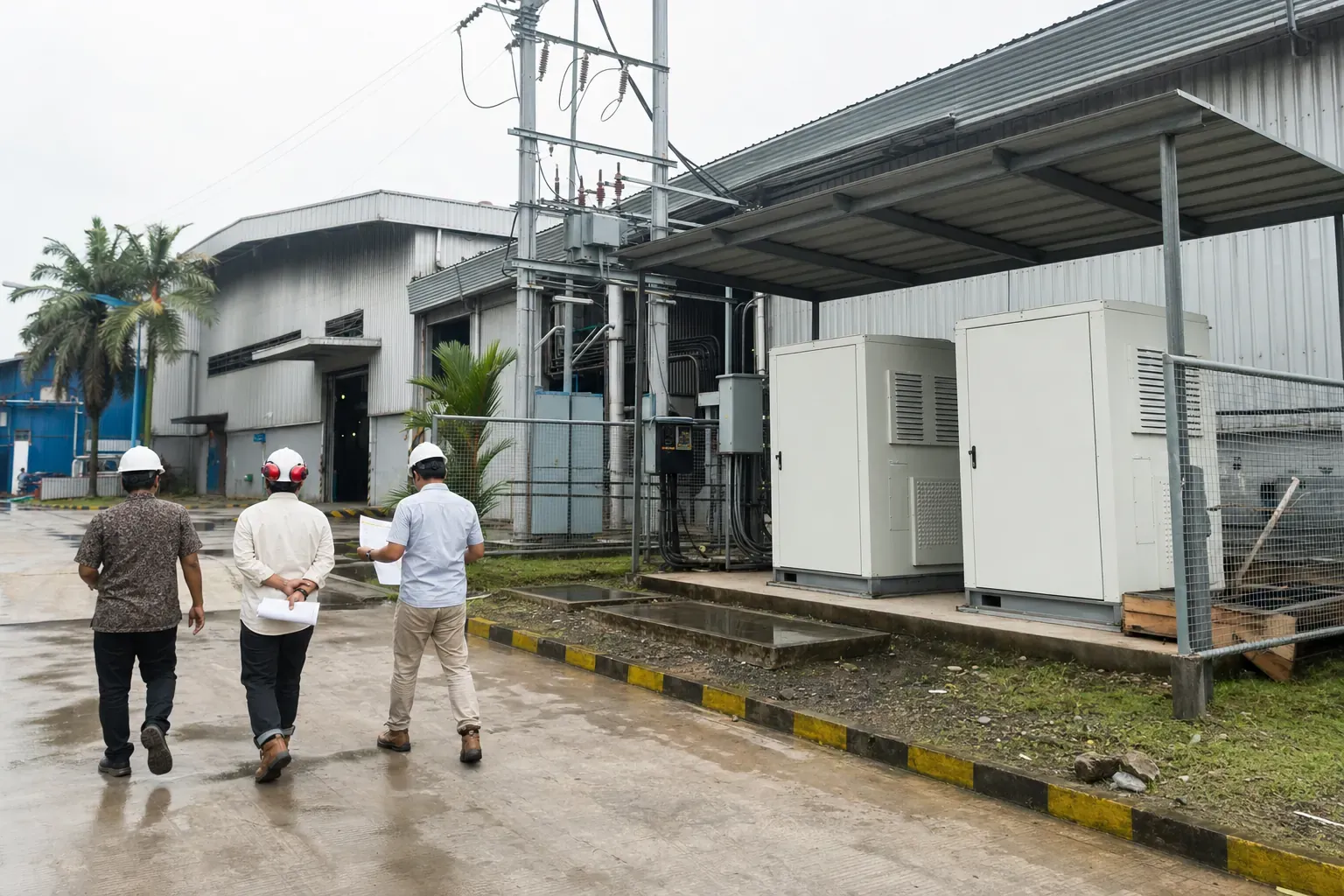
Customer benefit first
What Working With MOLETONG Should Make Easier
Every capability we have built since 2011 is measured against one question: does it reduce friction and risk for the customer?
One Integrated Portfolio
Batteries, inverters, commercial and industrial storage cabinets, utility-scale containers and EMS are all developed and supported under one roof -- reducing the coordination burden across multiple vendors.
Fewer Interface Gaps
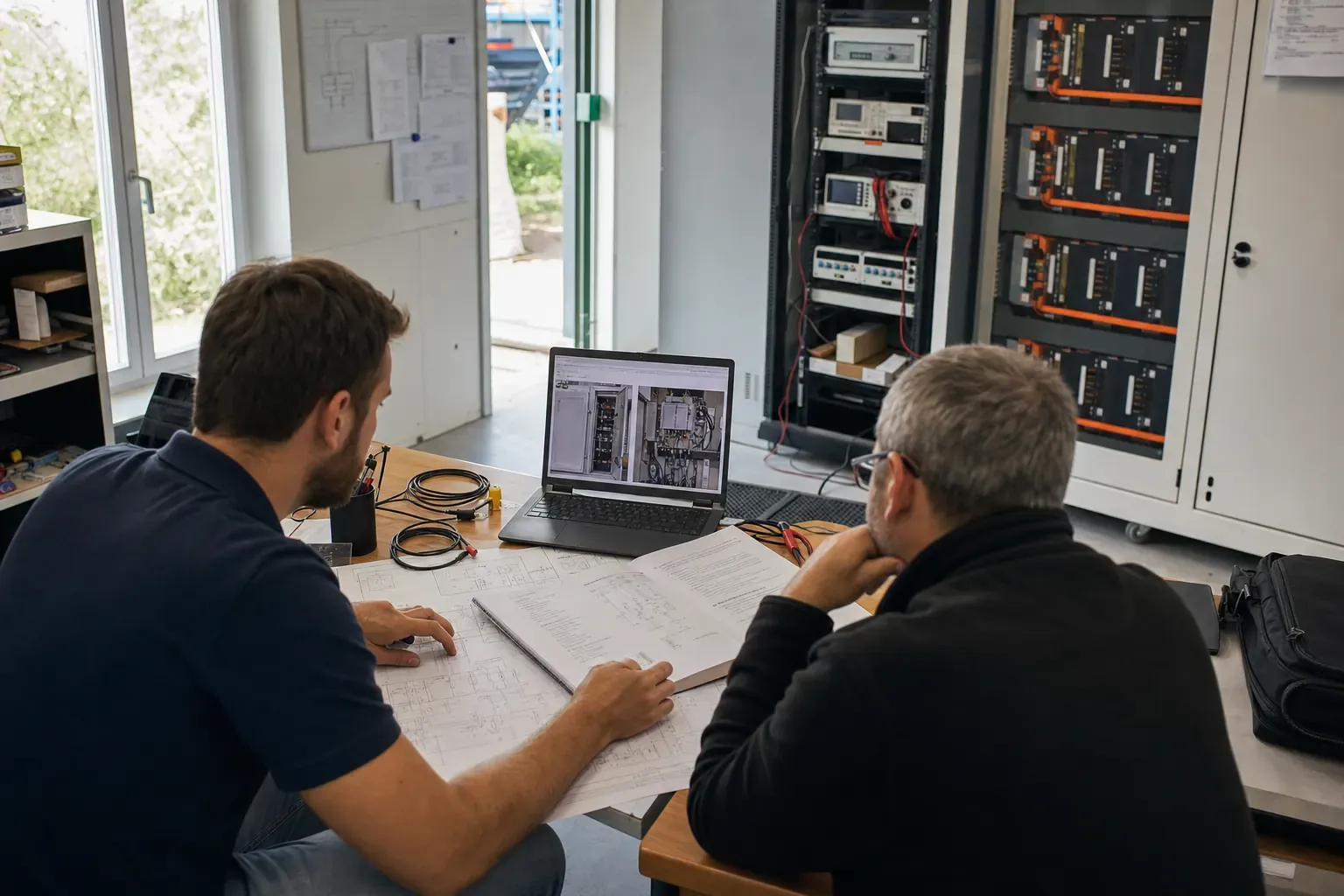
Electrical and photovoltaic application experience means the team understands how storage systems connect to distribution, transformers and existing site infrastructure -- not just the battery specification sheet.
Engineering Communication
Technical dialogue is grounded in project data: load profiles, tariff structures, peak demand, grid connection details and site constraints -- not generic product brochures.
Long-Term Local Service
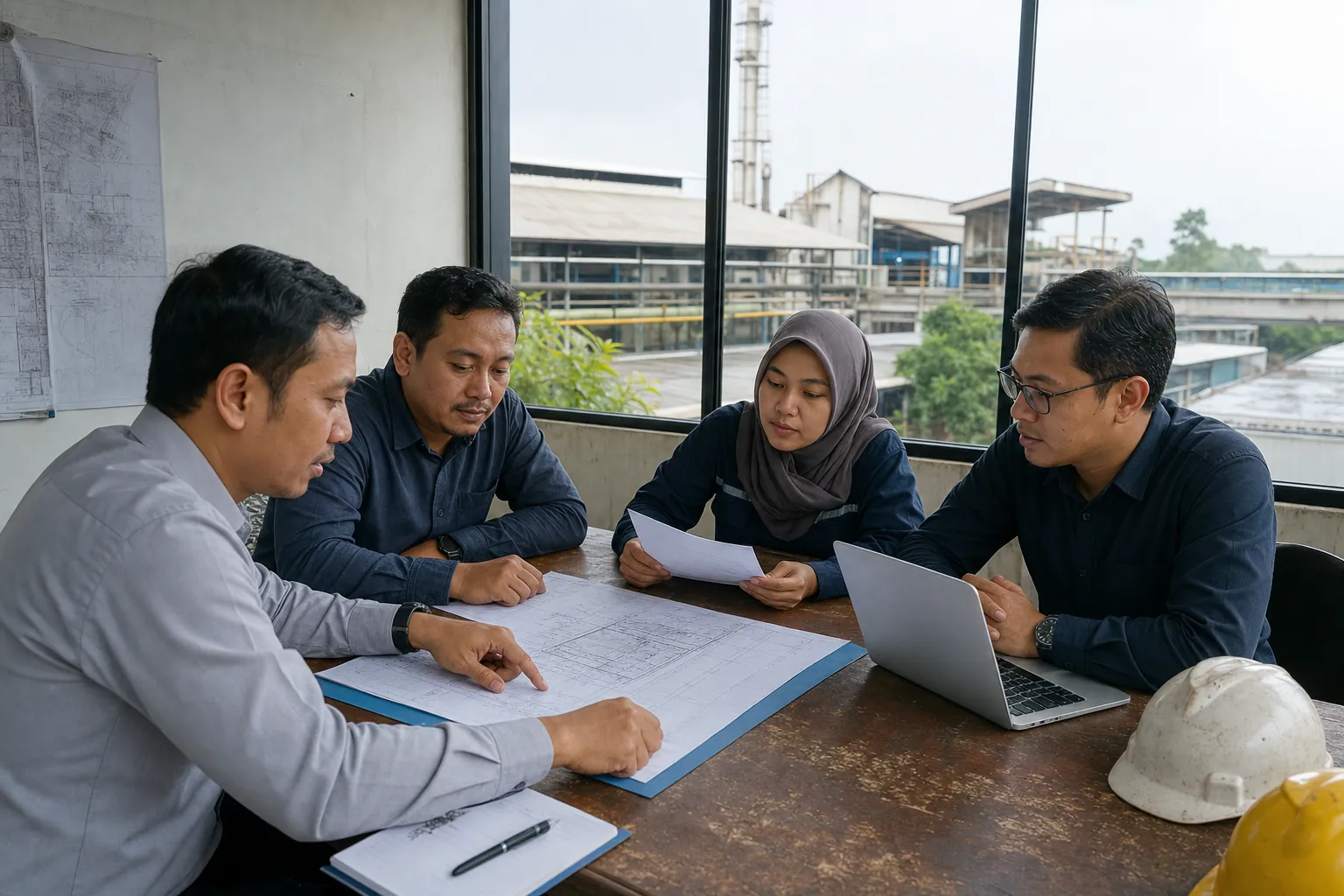
A local Indonesia office and company supports project development, service delivery and an Energy-as-a-Service model -- making long-term support accessible, not dependent on remote coordination alone.
Company story
From Electrical Equipment to Integrated Energy Solutions
The path from distribution equipment to full energy storage systems was not a pivot -- it was a progression driven by what customers actually needed as their energy challenges became more complex.
-
2011
Founded on Electrical Equipment
MOLETONG was established in Dongguan with a foundation in electrical distribution equipment. The early focus on switchgear and distribution cabinets built the electrical engineering knowledge base that later became central to storage system integration.
-
Early Stage
Expanded Distribution Cabinet Capabilities
Distribution cabinet product lines were broadened and refined. This period deepened the team's understanding of how electrical infrastructure behaves under real operating loads -- knowledge that later proved critical when integrating storage with site electrical systems.
-
2016
Entered Photovoltaic Applications
As solar adoption accelerated, MOLETONG extended into photovoltaic applications. This was not simply adding a product category -- it was the first step toward understanding how generation, distribution and load interact on a real site, which became the engineering foundation for storage system design.
-
2018
Developed the Energy Storage Business
Dedicated energy storage product development began. Battery systems, inverters and energy management software were developed as a connected platform rather than separate product lines -- a deliberate choice that shaped how MOLETONG approaches system integration today.
-
2019
Grid-Connected Energy Storage Application
Grid-connected energy storage application work began, extending the team's capability beyond stand-alone systems into grid-interactive operation. This required a more rigorous understanding of protection, communication protocols and grid compliance requirements.
-
2022 - 2024
Integrated Services and Distributed Energy Storage Solutions
The product and engineering platform matured into integrated services: distributed energy storage solutions, HMS and EMS platforms, utility-scale container systems and the Indonesia Energy-as-a-Service model. The goal shifted from selling equipment to supporting the full energy outcome across the project lifecycle.
Business capabilities
Four Energy Fields, One Focused Platform
We bring electrical distribution, solar, storage and energy management together so you receive a coordinated system with fewer interface gaps and clearer responsibility.
Home, Commercial and Utility-Scale Systems
The complete storage product range -- from residential batteries and mobile power units through commercial and industrial air- and liquid-cooled cabinets to 5 MWh-class and AC/DC integrated containers -- is developed and manufactured in Dongguan. Each tier is designed to work with the same EMS communication layer.
- -- Home storage and mobile power
- -- Commercial and industrial cabinets (air and liquid cooling)
- -- 5 MWh-class containers and AC/DC integrated systems
- -- Stick Logger, HMS and EMS platforms
Complete Electrical System Experience
The foundation in distribution equipment means the engineering team understands how storage connects to the broader electrical system -- switchgear, protection coordination, transformer capacity, grid connection points and load characteristics. This is the knowledge that reduces interface risk on real projects.
Renewable Project and PV-ESS Application Knowledge
Photovoltaic application experience since 2016 means the team understands generation profiles, irradiance variability, PV-storage coupling strategies and how to size storage relative to generation output -- not just the battery in isolation.
Hydrogen Energy
Hydrogen remains an exploratory area rather than a primary offer on this website. If you are evaluating a hydrogen project, contact our engineering team and we will explain clearly what we can support today.
Product and engineering platform
One Platform, From Home Battery to Utility Container
The product range is not a collection of separate catalogues. Each tier shares a common engineering foundation -- power electronics, BMS communication and EMS control -- so that a project team working at any scale is working with compatible, documented architecture.
Home Energy
Residential batteries, mobile power, single-phase off-grid and hybrid inverters.
Commercial and Industrial
Air- and liquid-cooled storage cabinets with three-phase hybrid inverters and EMS.
Utility-Scale Containers
5 MWh-class and AC/DC integrated containers for large storage plants and microgrids.
HMS and EMS Platform
Stick Logger, HMS and EMS provide monitoring, control and reporting across all system tiers.
The people behind the system
A Team Built Around Your Project
Each team listed below has a direct connection to what customers experience -- from the quality of the product to the accuracy of the project design to the responsiveness of local service. These are working descriptions of real responsibilities, not titles.
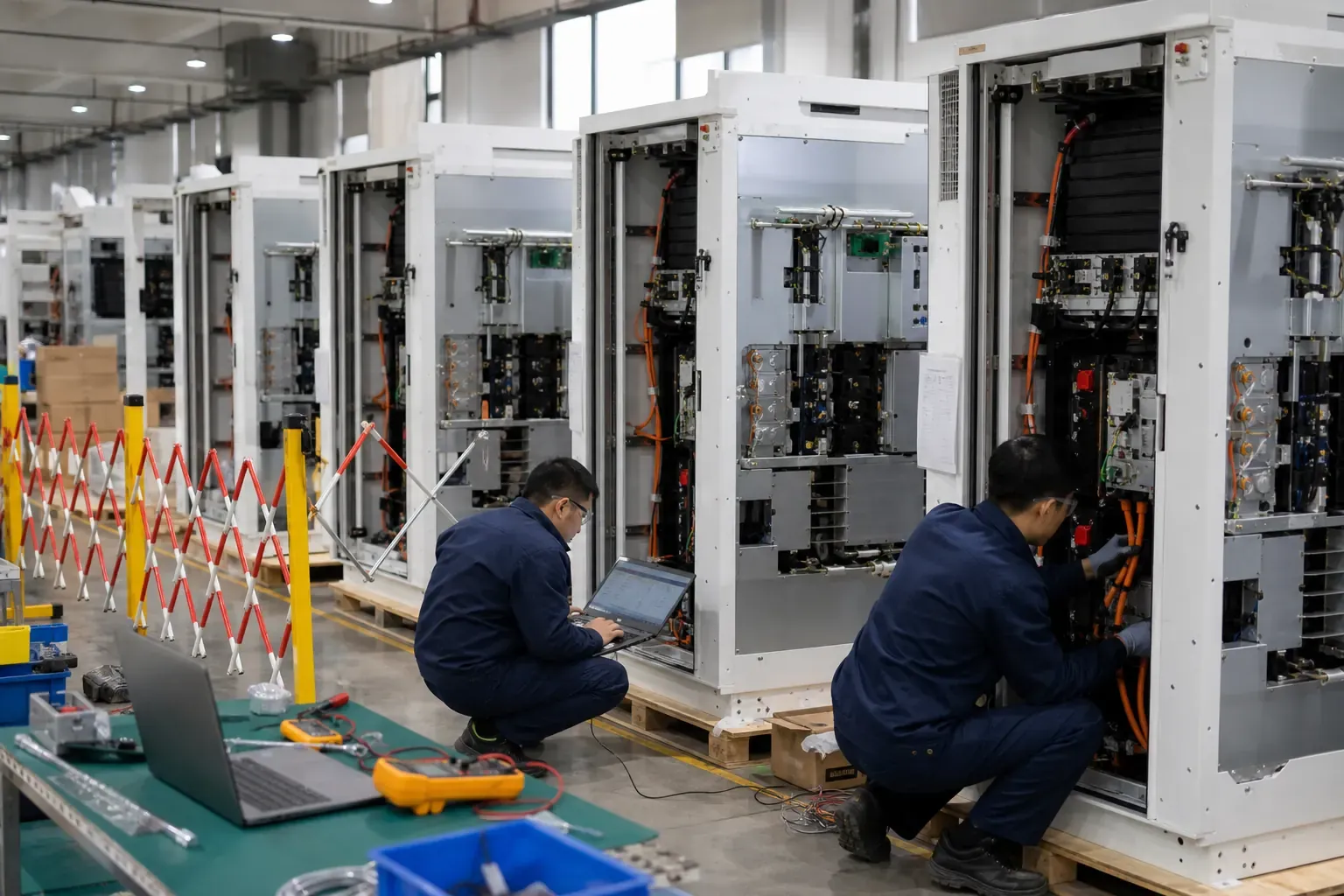
Product Performance and Safety
Responsible for cell selection, BMS algorithm development, thermal management design and product validation. The decisions made here determine whether a product performs as specified in real operating conditions over its full design life.
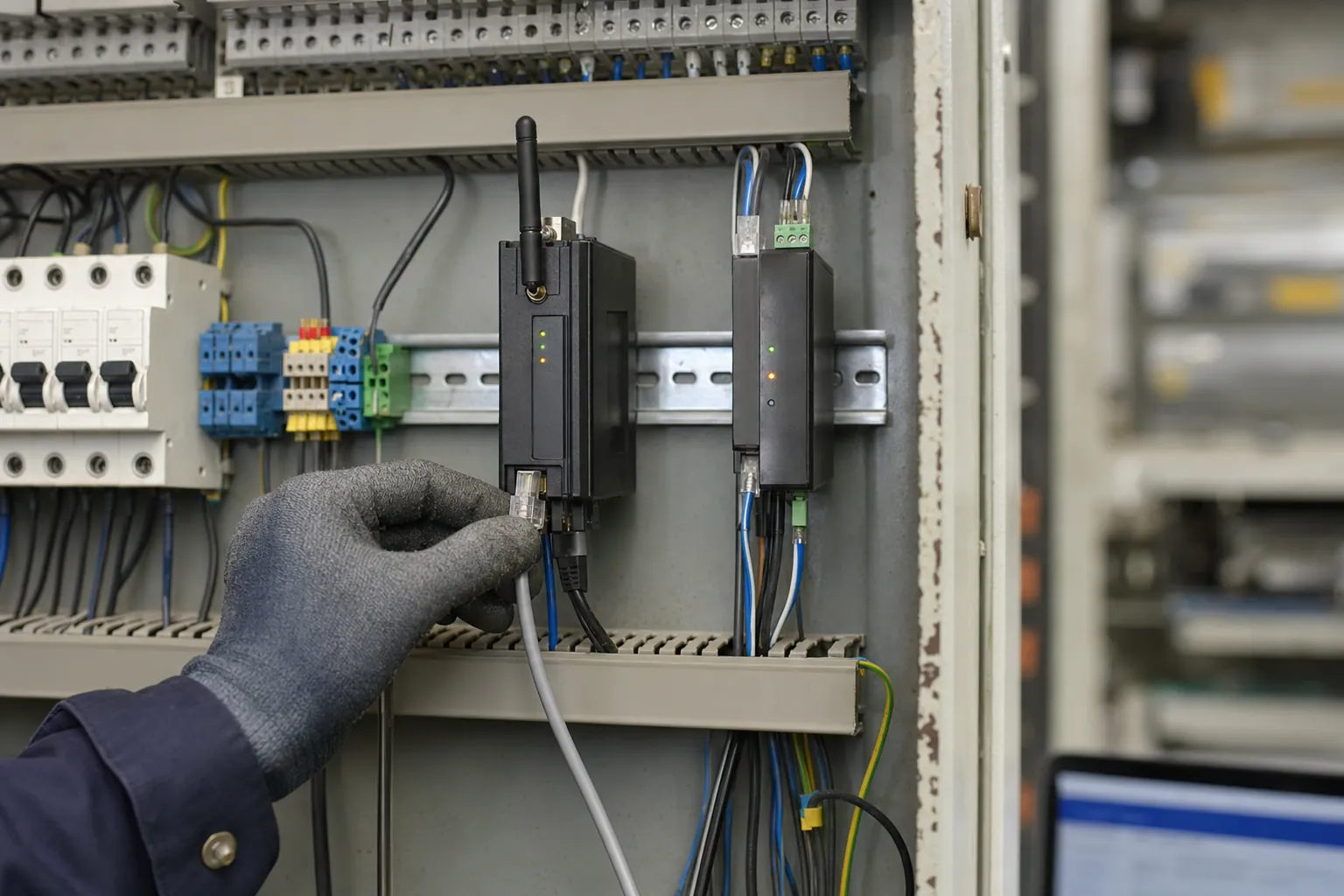
Conversion Efficiency and Control Logic
Develops inverter hardware, power conversion topology and the EMS control layer that manages charge and discharge strategy. This team is the reason the system responds correctly to tariff signals, grid events and load changes.
Site Integration and Interface Verification
Reviews load data, transformer capacity, protection coordination and grid connection requirements before a system is specified. This is the team that prevents the mismatch between a product datasheet and what a real site actually needs.
From Factory Acceptance to Site Commissioning
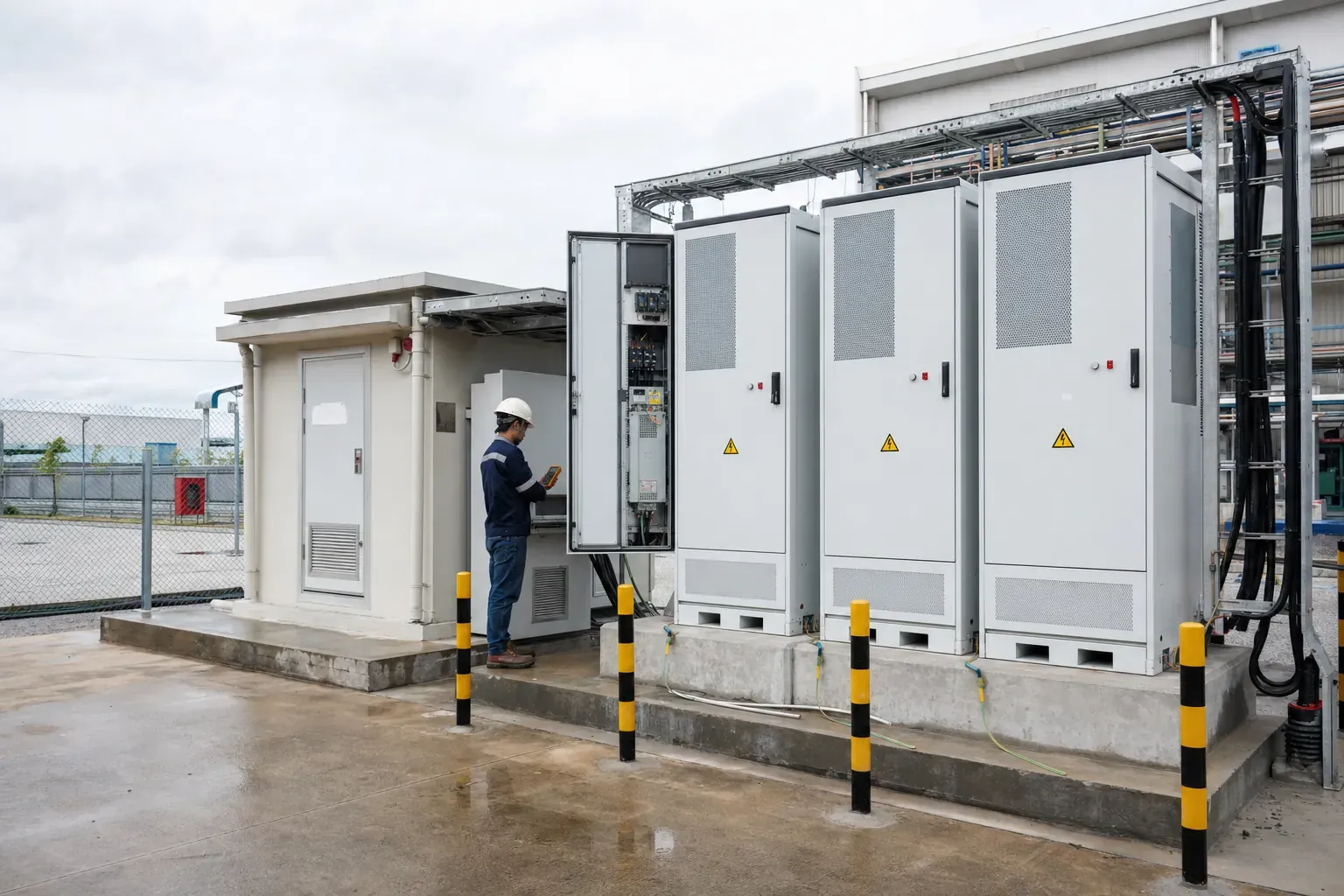
Manages the delivery process from factory acceptance testing through logistics, site installation coordination and commissioning. Responsible for ensuring that what was designed and tested is what is actually operating on site.
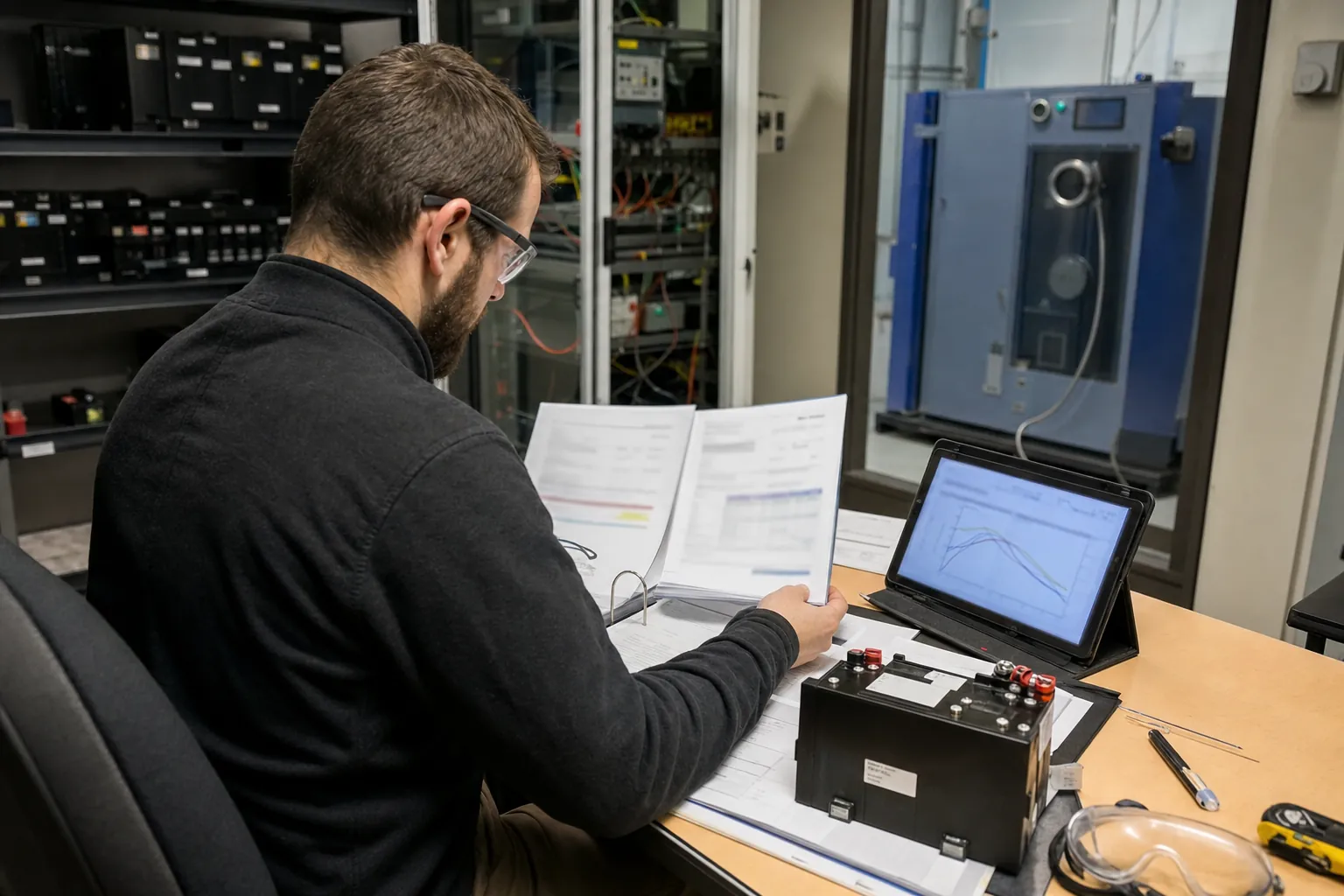
Documentation, Testing and Certification Integrity
Maintains the testing protocols, certification records and manufacturing quality controls that give customers confidence that the product they receive matches the specification they agreed to. Certification claims are verified against actual product models and valid date ranges.
In-Country Project Development and Service
The Indonesia team supports local project development, customer engagement, Energy-as-a-Service structuring and ongoing service delivery. Being present locally means that service and support are not dependent on remote coordination from China.
Engineering methodology
From Load Data to Lifecycle Value
The sequence below describes how MOLETONG approaches a project -- from the first site conversation to long-term operational support. Each step is a checkpoint, not a formality, because the decisions made early determine whether the system performs as expected years later.
Start with your load data-
01
Understand the Load and Business Goal
Review actual load profiles, utility bills, tariff structure, outage history, peak demand patterns and the specific business outcome the customer needs -- cost reduction, resilience, grid independence or project delivery.
-
02
Select Architecture Before Product Model
Determine the right system architecture -- topology, capacity, coupling strategy, control mode -- before selecting a specific product model. The architecture decision shapes everything downstream.
-
03
Verify Electrical and Safety Interfaces
Confirm that the proposed system is compatible with the site's transformer capacity, protection coordination, grid connection requirements and local electrical safety standards before finalising the specification.
-
04
Define Delivery Responsibility
Agree clearly on scope boundaries: what MOLETONG delivers, what the customer or EPC contractor delivers, FAT and SAT requirements, commissioning procedures and documentation handover.
-
05
Monitor Operation and Improve Over Time
After commissioning, HMS and EMS data is used to monitor system performance, identify degradation trends and support firmware updates, configuration adjustments and maintenance planning throughout the system operating life.
-
06
Long-Term Partnership, Not One-Time Supply
The goal is a system that performs as designed for its full operating life. That requires a supplier relationship that continues beyond delivery -- which is why local presence and long-term service agreements are part of the MOLETONG model.
Quality and evidence
Trust Should Be Supported by Documents and Project Evidence
We match every certification claim to the legal entity, product model, certified scope and validity period. Ask us for the current original documents relevant to the exact system you are evaluating.
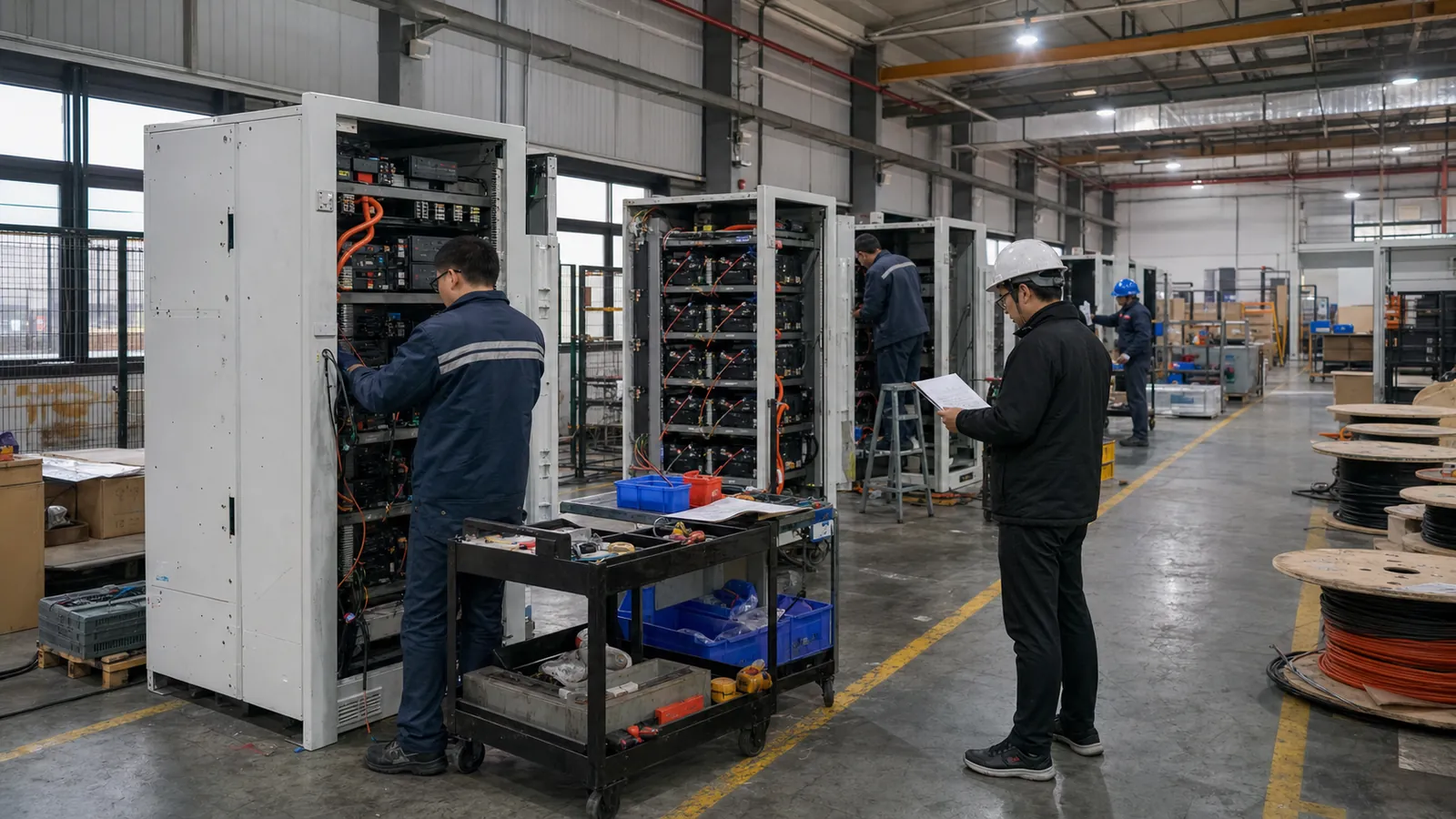
Dongguan Production Base
The Dongguan production base is where all MOLETONG products are manufactured and tested. Production capacity, line configuration and quality control procedures are available for review during factory audits.
FAT, SAT and Performance Verification
Factory acceptance testing and site acceptance testing procedures are defined per project. Performance data, cycle test records and thermal characterisation results are part of the standard delivery documentation package.
Verified Certificates, Correct Scope
We match product certifications to the specific model, legal entity and validity period. If you need ISO, product-safety or grid-compliance evidence, our engineering team will provide the current document set for your review.
Quality System
ISO Management
Product Safety
Verified Per Model
Project Records
Delivery Documentation
Version Control
Firmware and Hardware
A note on certification transparency: All certification data presented by MOLETONG is cross-checked against the legal entity name on the certificate, the specific product model covered, the scope of the certification standard and the current validity period. If you require specific certification documentation for a procurement process, contact the engineering team and specify the product model and standard required.
Global presence
Local Presence Where Long-Term Service Matters
MOLETONG has established an Indonesia presence to support local project development and an Energy-as-a-Service model. The network of domestic sales centers and the Dongguan engineering center ensures that customers across China and Southeast Asia have access to technical support and project coordination.
If your project is outside our current operating markets, speak with us first. We will confirm honestly whether we have the local delivery and service capability your project requires.
Production and Engineering
Dongguan, Guangdong, China
Production base and engineering center. R&D, manufacturing, testing and project engineering are all based here.
Domestic Sales Network
Four Sales Centers Across China
South China, East China, Central China and Southwest China -- covering domestic customer engagement, project support and service coordination.
Overseas Presence
Indonesia -- Local Office and Local Company
A registered local company and office supports project development, customer engagement, Energy-as-a-Service structuring and ongoing service delivery in Indonesia.
Production Base
Dongguan · China
Sales Network
04 Centers · China
Overseas Presence
Indonesia -- Local Office and Company · EaaS Model Active
Customer outcomes
The Problem, the Approach, the Result
Three representative project types -- residential, commercial and industrial, and large-scale -- described from the customer perspective. Specific project details are available on request and subject to customer approval for publication.
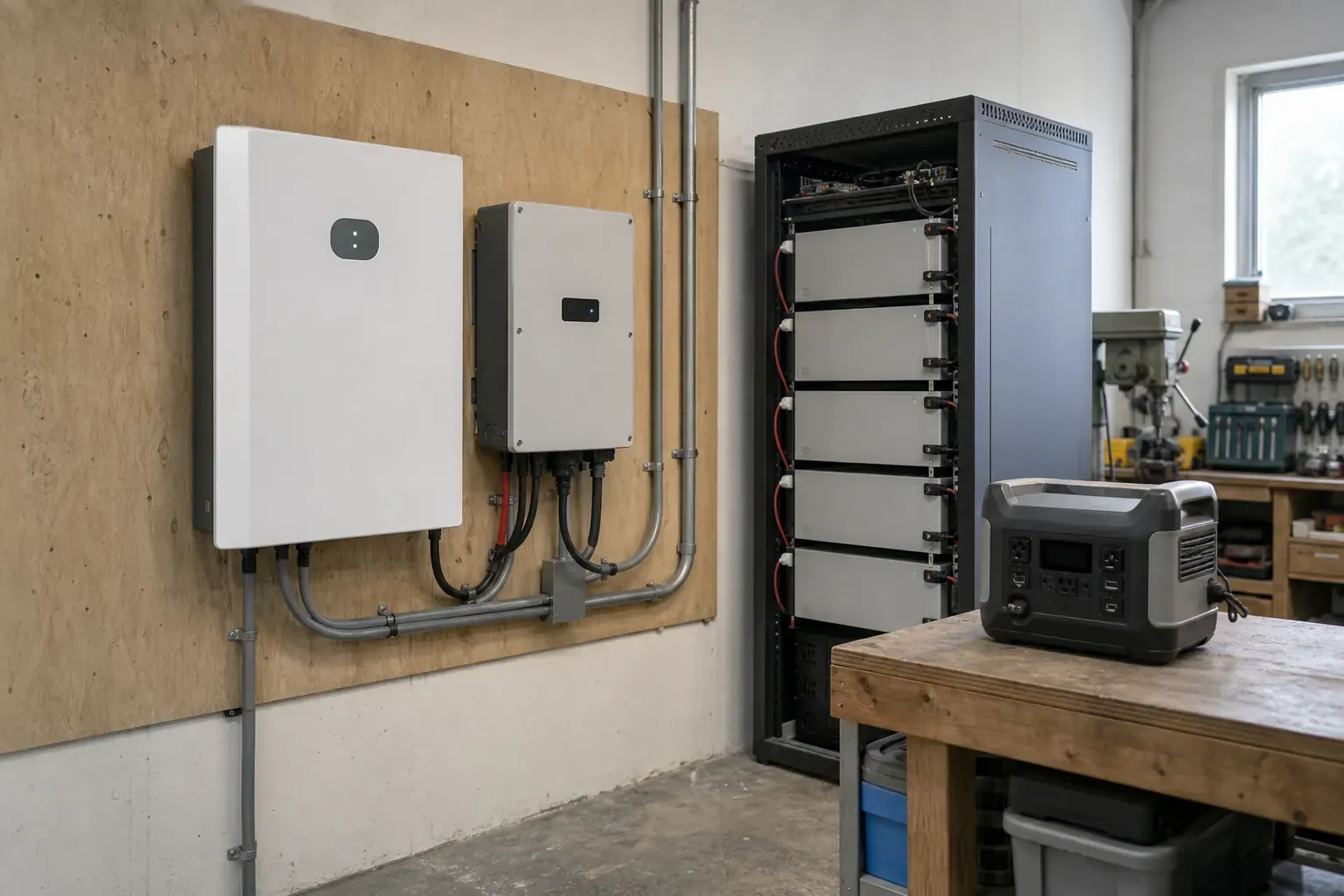
Reducing Dependence on an Unreliable Grid
The Problem
A household in a region with frequent grid interruptions needed a system that would maintain essential loads during outages and increase the proportion of self-consumed solar generation -- without requiring manual switching or complex operation.
The Approach
A hybrid inverter and home battery system was specified to match the actual load profile and roof-mounted PV output. The system was configured for automatic backup switching and time-of-use optimisation.
The Result
Essential loads maintained through grid outages. Solar self-consumption increased. Customer operation requires no manual intervention during normal and backup modes.
Controlling Peak Demand Charges at an Industrial Facility
The Problem
A manufacturing facility was facing significant peak demand charges driven by short-duration production peaks. The existing transformer was operating close to its rated capacity, limiting options for load growth.
The Approach
A commercial storage cabinet system with EMS peak-shaving control was sized against the actual load profile. The EMS was configured to respond to demand thresholds, not a fixed schedule, to handle production variability.
The Result
Peak demand charges reduced. Transformer headroom recovered for production expansion. EMS data provides ongoing visibility of demand patterns for operational planning.
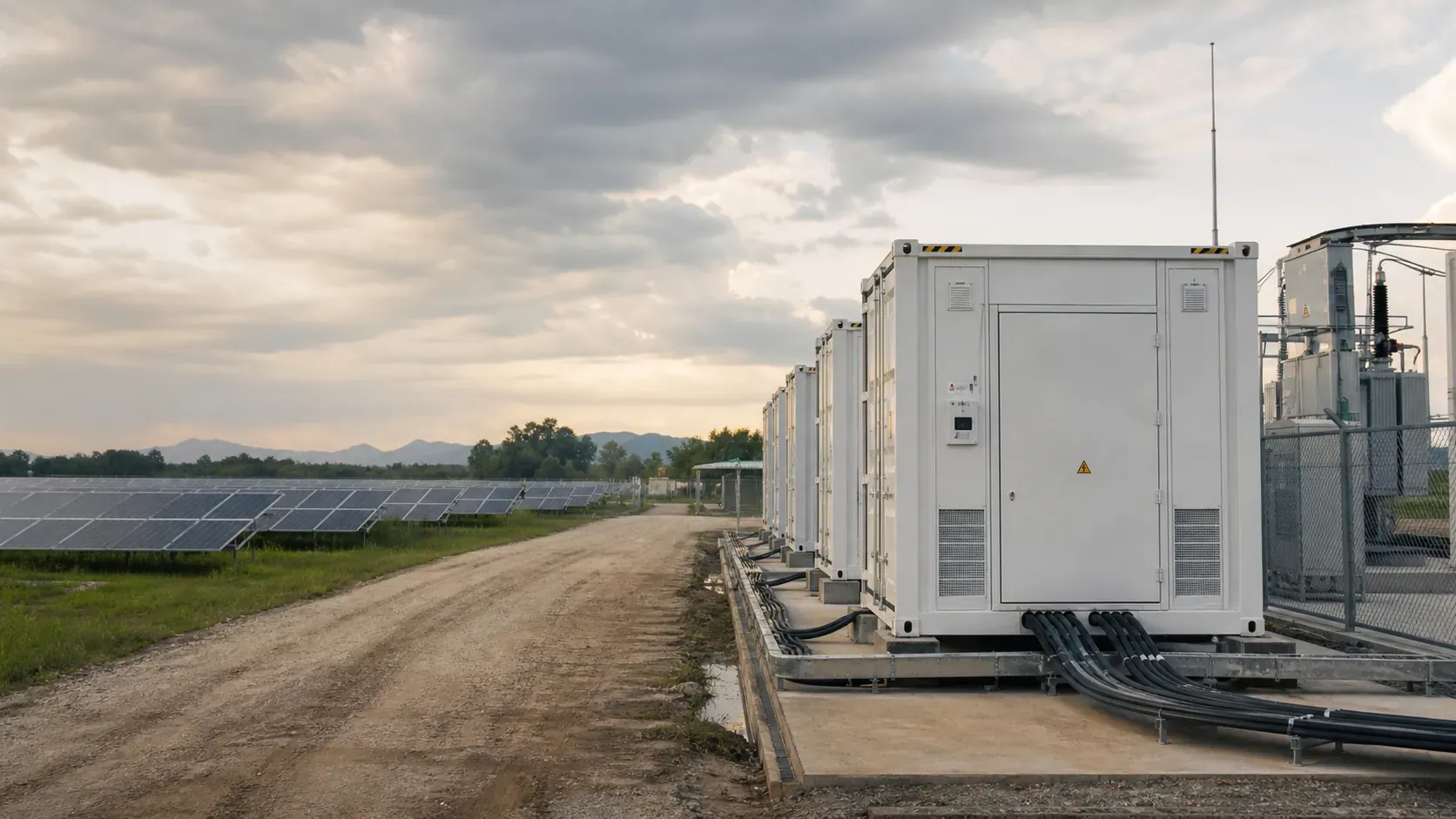
Delivering a Storage-Integrated Microgrid for an EPC Developer
The Problem
An EPC developer needed a storage system that could be integrated with a renewable generation project, meet grid compliance requirements and be delivered with complete FAT documentation, HMS monitoring and a defined service arrangement.
The Approach
A containerised storage system was specified with AC/DC integration, HMS and EMS platforms and a defined FAT and SAT process. Electrical interface documentation was reviewed against the site grid connection requirements before manufacturing began.
The Result
System delivered on schedule with complete documentation. HMS monitoring operational from commissioning. Grid compliance requirements met at first SAT. EPC developer has a defined service contact for the operating phase.
These examples show the types of projects we support. When customer approval allows, we can share the relevant project data, site photographs and references during your due-diligence process.
Looking for a Product Supplier or a Long-Term Energy Project Partner?
Whether you are evaluating a residential installation, a commercial peak-shaving project, a utility-scale storage plant or an Energy-as-a-Service arrangement in Indonesia, the right starting point is a direct conversation with the engineering team -- based on your actual site data and project goals.
Engineering Enquiries
engineering@moletong.comProject and EaaS
projects@moletong.comHeadquarters
Dongguan, Guangdong, China
We will provide current, model-specific documentation for your due diligence and clearly identify representative visuals or application frameworks. Energy-as-a-Service availability is confirmed after we review your site, project scale, contract structure and applicable Indonesian requirements.