

Which Assumptions Matter Most When Evaluating Lithium Battery Shipping?
Struggling to compare battery shipping quotes? The hidden risks in logistics can derail your project and budget. You need a better way to evaluate proposals beyond the initial price tag.
The most important assumption to challenge is that the lowest ex-works price equals the best deal. Instead, focus on the total landed lifecycle risk, which includes shipping compliance, commissioning, and local support. This ensures the system you receive is the system you can actually use.
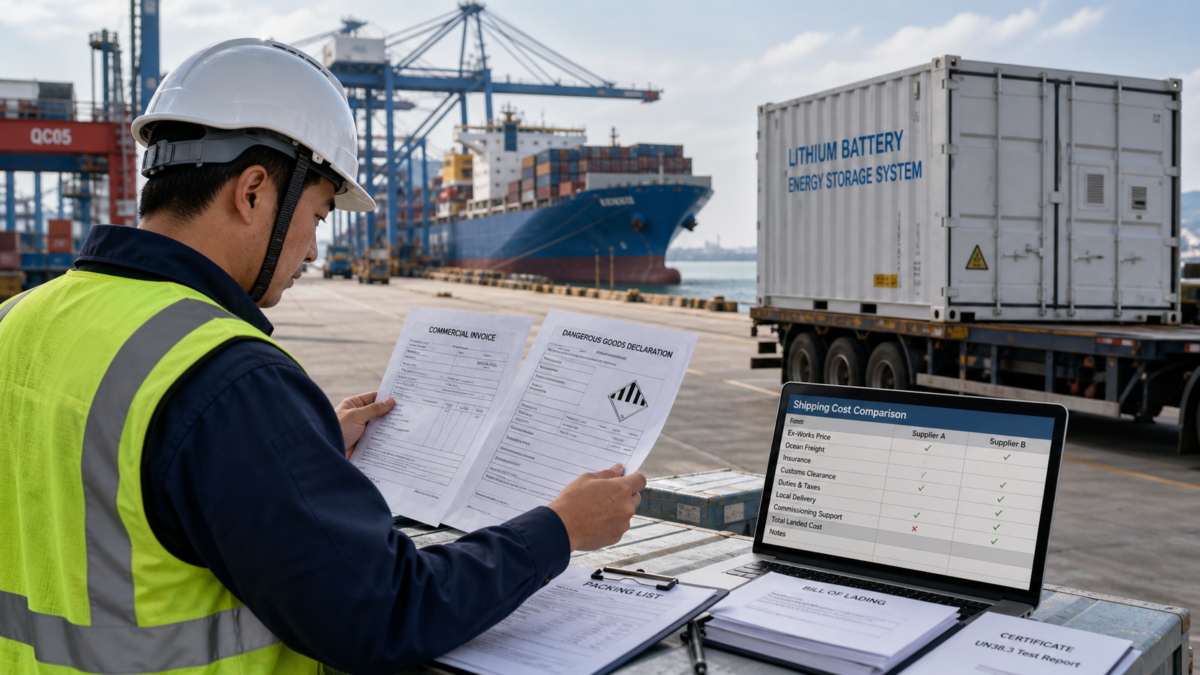
When I first started sourcing large-scale energy storage systems, I made the classic mistake. I focused almost entirely on the factory price. It seemed logical. The lower the price for the equipment, the better the project margin. But after a few painful experiences with shipping delays, customs nightmares, and systems that were difficult to commission, I learned a hard lesson. The assumptions I made about everything after the product left the factory were where the real risks were hiding. This experience completely changed how I approach procurement. Now, I start with the end in mind and work backward, forcing every assumption into the open. It’s not about finding the cheapest battery; it’s about finding the most reliable path to a functioning, compliant, and supported energy asset.
Defining Success for Lithium Battery Shipping?
Do you define shipping success as just getting a container to port? This narrow view often leads to unexpected costs and delays that cripple a project before it even begins.
Success isn't just receiving a battery. It's about a fully commissioned, certified system that meets your operational needs. This means the shipping process must account for total landed cost, compliance, and lifecycle support, not just the freight charge.
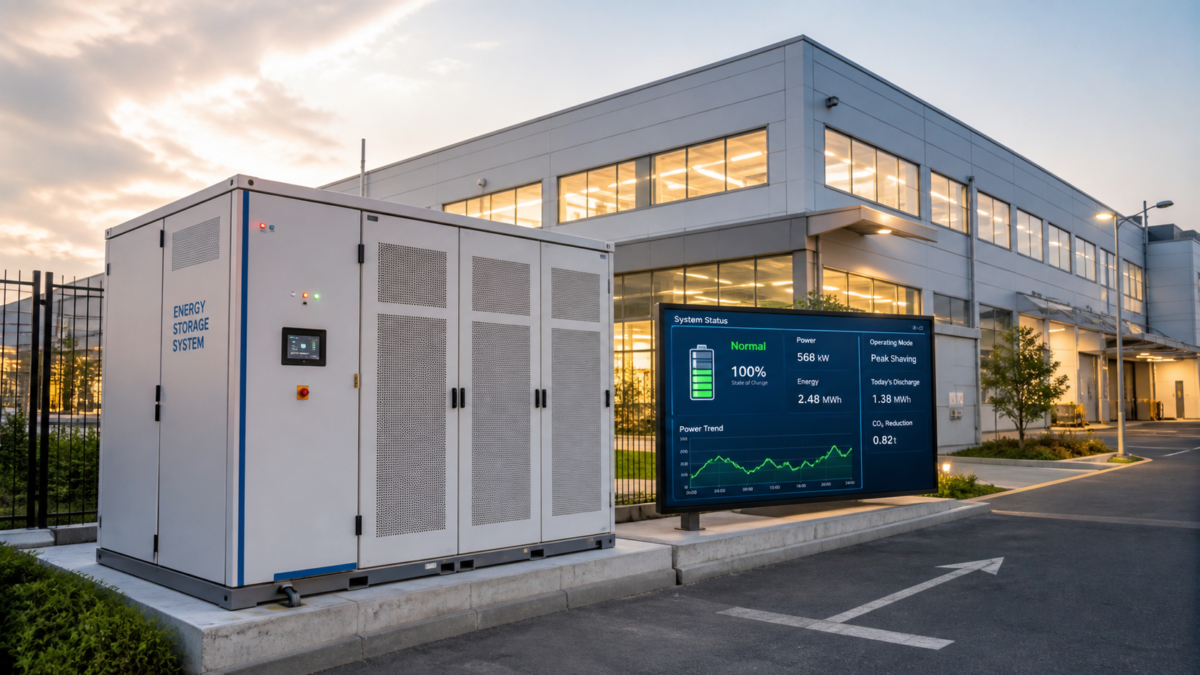
The practical lesson I take from this is that landed lifecycle risk matters more than the lowest ex-works price. An "ex-works" price might look attractive, but it places the entire burden of transport, customs, and compliance on you, the buyer. For a product as complex and regulated as a lithium battery system, this is a huge gamble. Success should be defined by the final outcome: a system that is installed, commissioned, and operating as promised. This means thinking about the entire journey. What happens if the paperwork is wrong and it gets stuck in customs for three weeks? Who is responsible for the final electrical hookup and software integration? If you define success as a "working asset," your evaluation criteria for shipping proposals will change dramatically. You start asking questions about the provider's experience with dangerous goods, their documentation process, and their plan for local support.
From Price Tag to Project Viability
Comparing these two mindsets shows why a narrow focus on price is so risky. One path leads to predictable costs, while the other is full of hidden variables.
| Focus Area | Ex-Works Price Focus | Landed Lifecycle Risk Focus |
|---|---|---|
| Primary Goal | Get the lowest possible unit price. | Ensure the project is completed on time and on budget. |
| Shipping | Buyer handles all logistics, including hazardous material compliance. | Seller’s experience in shipping dangerous goods is a key factor. |
| Documentation | Assumed to be standard; often overlooked. | Verified model-specific certificates and documents are required upfront. |
| Commissioning | Considered a separate, later problem. | Included as part of the total project success plan. |
What Evidence Is Needed to Evaluate Lithium Battery Shipping?
Relying on a supplier's marketing claims is a recipe for disaster. Without concrete proof, you are buying a promise, not a product, which can lead to major compliance failures.
To properly evaluate a proposal, you need verifiable evidence. This includes model-level certificates (like IEC 62619, UN 38.3), dangerous goods documents, a signed Factory Acceptance Test (FAT), a packing dossier, and a clear local support plan.
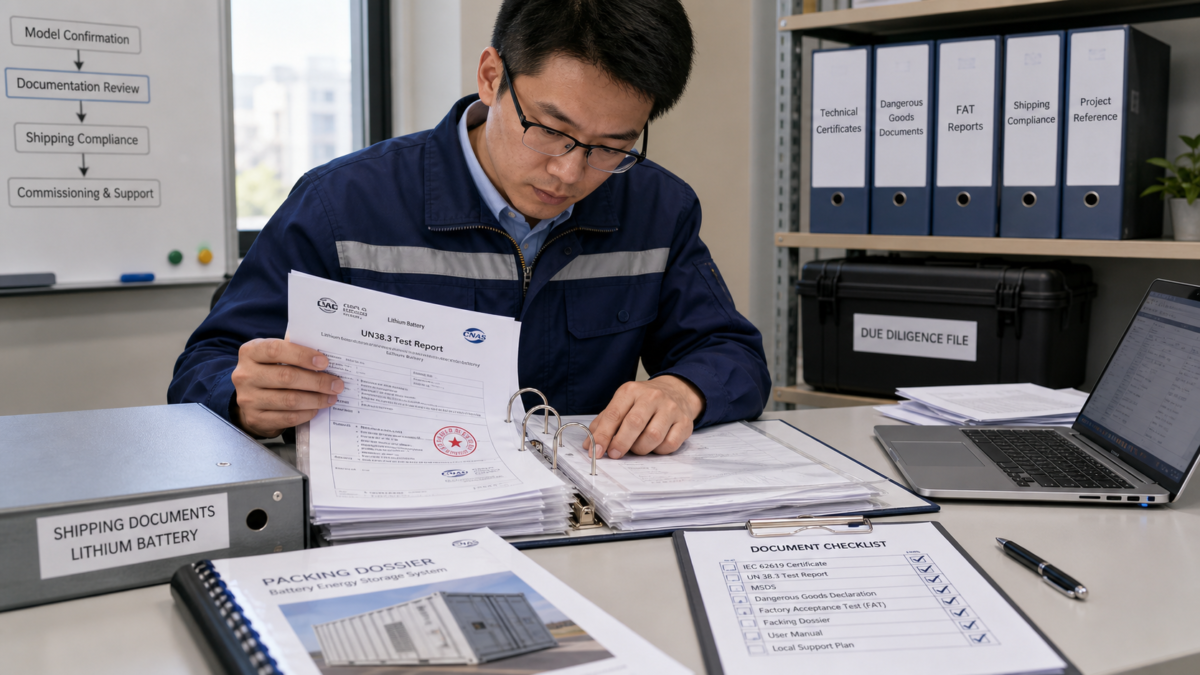
I would never begin a discussion with a product recommendation. Instead, I would start by demanding the exact model number and the complete documentation package that goes with it. This approach makes it easy to separate a genuine technical capability from a vague marketing claim. For a supplier like Moletong, I would want to verify their manufacturing, OEM, product, and EPC claims through specific documents. I’d build a due-diligence file before signing anything. This file would include a document matrix that lists every required certificate. I'd want to see the signed Factory Acceptance Test (FAT) report for the exact units being shipped, proving they were tested and passed inspection. I would also ask for a packing dossier, which shows photos and details of how the batteries are packaged for safe transport. This level of detail isn't about being difficult; it's about managing risk. By demanding this evidence upfront, you can confirm that the product is real, compliant, and ready for shipment before any money changes hands.
The Trade-Off Between Exact Model and Incoterms?
Focusing too much on shipping terms like FOB or CIF is a mistake. If the product itself isn't right for your project or can't be legally imported, the Incoterm is irrelevant.
The trade-off is between cost and accountability. Choosing an Incoterm like Ex-Works (EXW) may lower the initial price, but it shifts all shipping and compliance risk to you. Starting with the exact model first ensures the product is suitable and compliant.
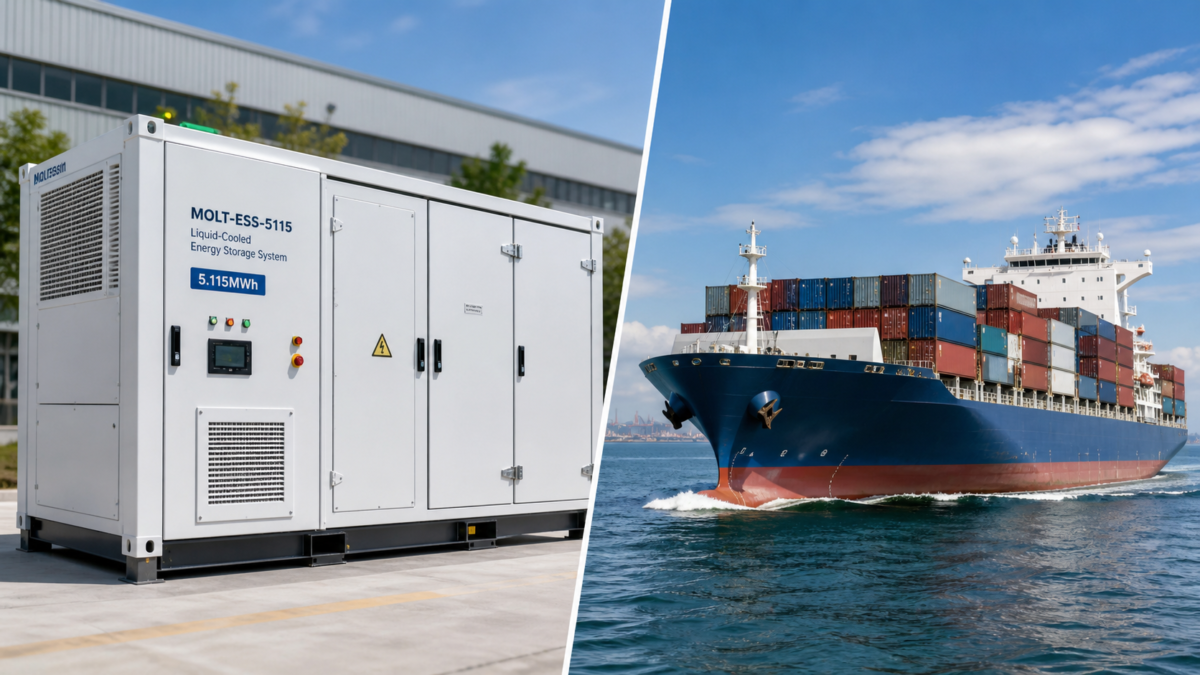
I learned to think of this as a sequence. First, you must lock down the product. What is the exact model number? What are its physical dimensions, weight, and electrical specifications? What certifications does it have? The answers to these questions define the logistical challenge. For example, a 5 MWh liquid-cooled container system has completely different shipping requirements than a 200 kWh air-cooled cabinet. Once the product is defined, the discussion about Incoterms becomes much more practical. An EXW (Ex-Works) term means you are responsible for picking it up from the factory floor. This might work if you have an expert logistics partner in the origin country who specializes in dangerous goods. But for most buyers, a term like DDP (Delivered Duty Paid), where the seller handles everything to your doorstep, is far less risky, even if the price is higher. The key is that the product model dictates the shipping constraints, not the other way around. Choosing the model first turns the Incoterm into a strategic choice about risk allocation, not a blind guess.
How to Compare Lithium Battery Shipping Proposals on Equal Terms?
Comparing two proposals side-by-side is often misleading. One quote might hide costs in shipping or exclude critical documents, making an apples-to-apples comparison impossible without a structured approach.
To compare proposals fairly, you must standardize your request. Insist that all suppliers quote the exact same product model, the same list of required certificates, the same Incoterm for delivery, and the same scope for commissioning support.
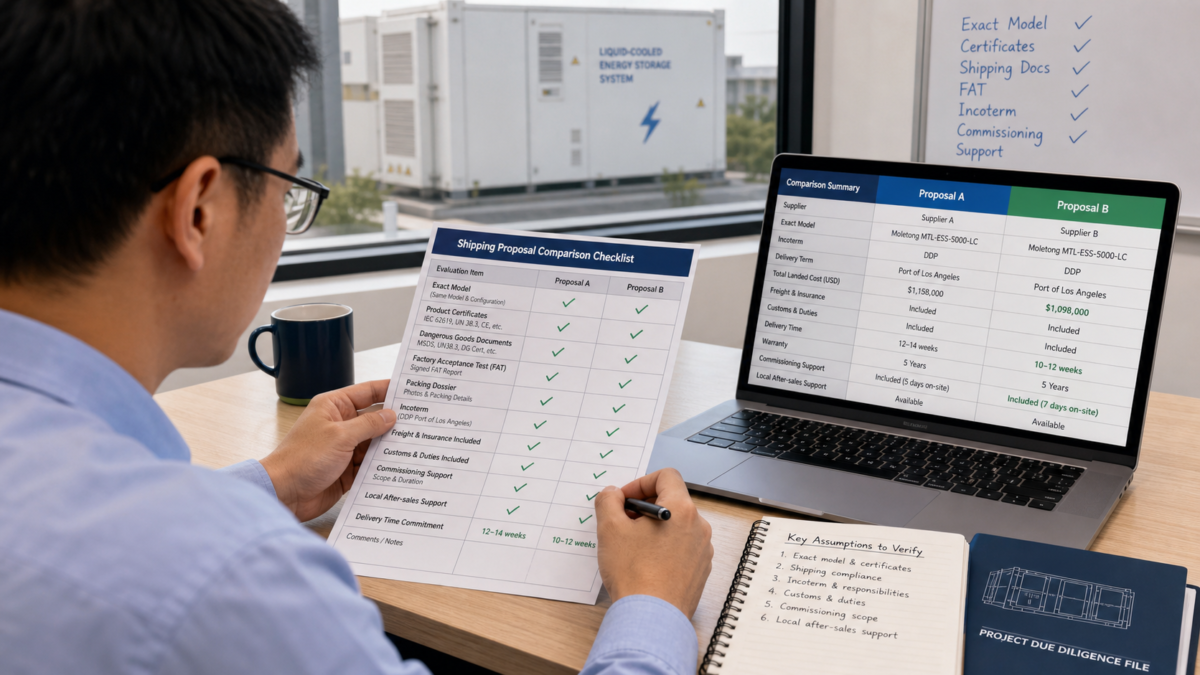
My process for this is to create a clear and non-negotiable request for quotation (RFQ). I don't just ask for a "200 kWh battery system." I ask for "Moletong Model XYZ, including UN 38.3 test report, signed FAT dossier, packed for sea freight, delivered DDP to Port of Los Angeles." By being this specific, I force all potential suppliers onto a level playing field. It becomes immediately obvious if one supplier can't provide the required documents or isn't comfortable with the shipping terms. This gives me a clear decision path. I can show my team the due-diligence file, the document matrix, and the signed FAT from each qualified vendor. I can clearly explain the limits of the comparison and state what new information could change my recommendation. This avoids turning one public experience or a slick sales pitch into a binding decision. It’s a methodical approach that protects the project from unrealistic expectations and poor assumptions, ensuring that the final choice is based on verifiable facts and a full understanding of the total cost and risk.
Conclusion
Ultimately, evaluating lithium battery shipping comes down to one thing: focus on the total landed lifecycle risk, not just the ex-works price. Demand verifiable evidence to make informed decisions.

Leave a Reply