

Is Charging EV from Home Battery Bad?
Thinking about charging your electric vehicle from your home battery during a power outage? You worry it might drain your backup power in an instant, leaving you in the dark.
It is not inherently bad, but its success depends entirely on managing your home's total electrical load, the EV's charging rate, and your outage expectations. Your actual runtime comes from measured loads and your own operating choices, not just the battery's kilowatt-hour (kWh) rating.
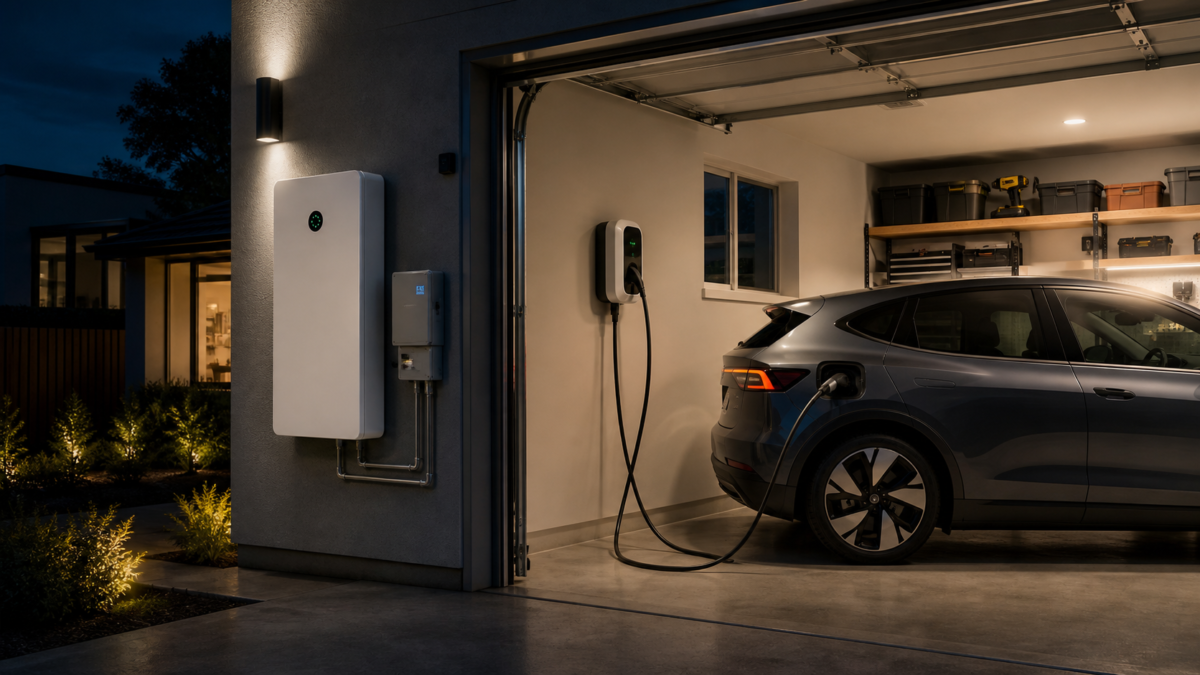
I see this question come up a lot. People invest in a home battery for peace of mind, and their EV is often their largest electrical appliance. It's natural to want the two to work together. But a home battery system isn't a magic box with infinite power. How you use it, especially during an outage, matters more than anything else. A successful plan is one that's based on reality, not just marketing claims. We need to dig into what "success" actually means for you and how to verify you can achieve it before the lights go out.
When Does Charging an EV from a Home Battery Become a Bad Business Case?
You assume charging your EV from a home battery always provides resilience. But unmanaged charging can drain your backup power when you need it most, defeating the entire purpose.
It becomes a bad business case the moment it compromises your primary goal. If charging your car leaves no power for essential loads like your refrigerator, well pump, or medical devices during a blackout, the "backup" system has failed its core purpose.
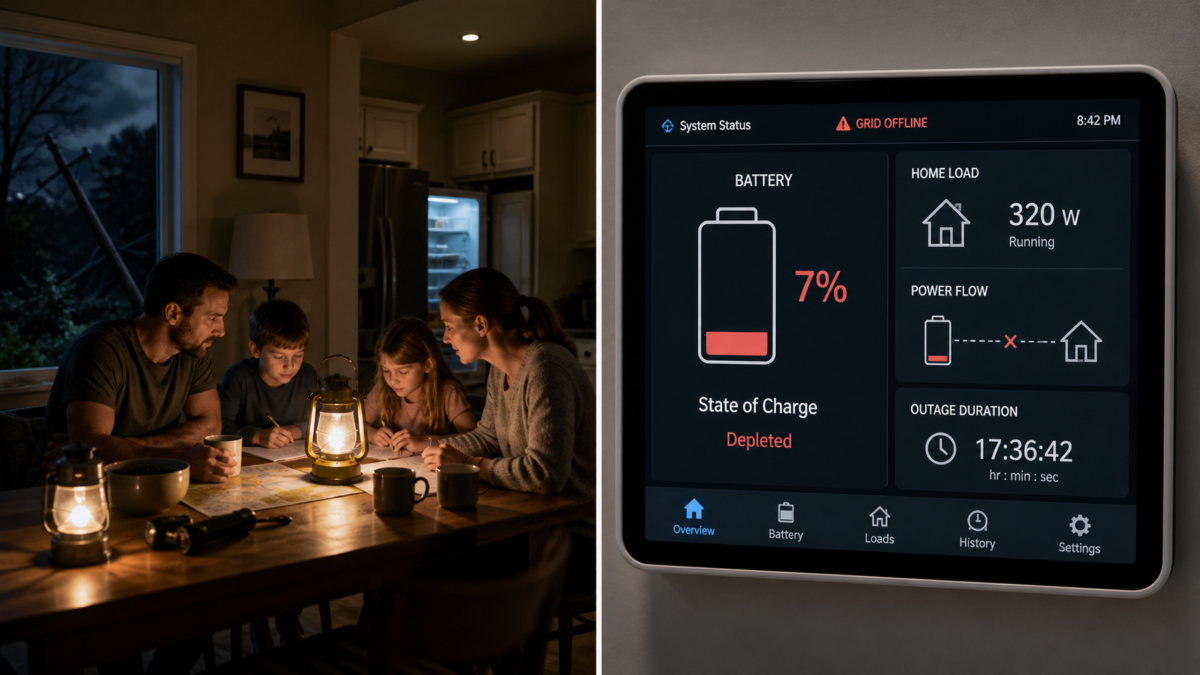
Before I even look at hardware, I first ask a buyer what they expect the system to achieve. The goals are not interchangeable. Savings, resilience, and grid relief are all different jobs. Trying to make one system do everything without a clear plan often leads to it doing nothing well. For example, charging an EV from a battery to avoid peak utility rates is a "savings" goal. Doing the same thing during a grid failure is a "resilience" goal. The first case is about money; the second is about survival and safety. Mixing them up is where things go wrong. If your top priority is to keep your freezer running and lights on for three days, then using half your battery capacity to add 50 miles of range to your car on day one is a terrible trade-off. It’s a bad business case because you’ve paid for resilience you just threw away.
Comparing Home Battery Goals
| Primary Goal | Role of EV Charging | When It’s a “Good” Case | When It’s a “Bad” Case |
|---|---|---|---|
| Resilience | Emergency transport power | Charging only a minimal, pre-planned amount for a critical trip. | Fully charging the EV, leaving no power for essential home loads. |
| Cost Savings | Time-of-Use Arbitrage | Charging the EV with cheap, stored off-peak or solar energy. | Draining the battery on the EV, forcing the home to buy expensive peak power. |
| Grid Relief | Demand Response | Pausing EV charging automatically when the grid is stressed. | Ignoring grid signals and adding a massive load during a peak event. |
Which Home Battery EV Charging Backup Inputs Deserve the Most Scrutiny?
Sales brochures often promise long runtimes with impressive numbers. But these figures can ignore real-world conditions that drastically reduce performance when you actually need the power.
You must scrutinize four inputs: the battery's reserve State of Charge (SOC), the system's transfer behavior, the measured running watts of your real-world loads, and the realistic duration of a local power outage. These inputs define actual performance, not marketing numbers.
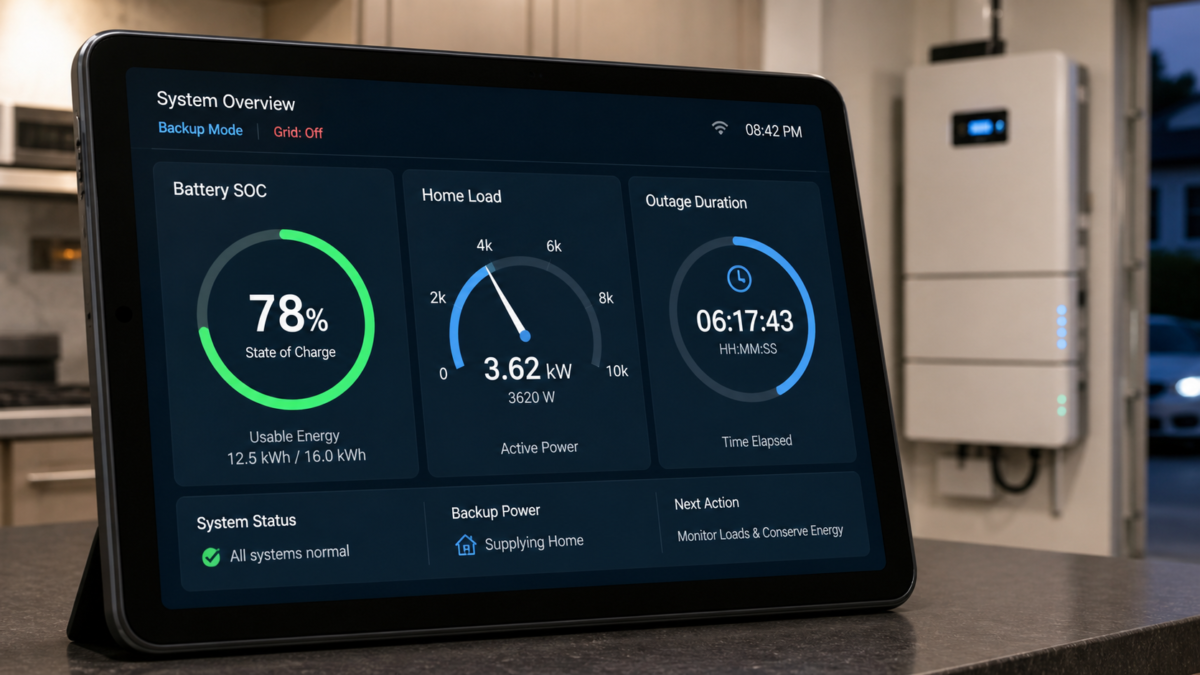
When I review a proposal, I skip the glossy pages and go straight to the numbers that matter. First is the reserve SOC. No battery lets you use 100% of its capacity; a reserve is held back to protect the battery's health. I want to know exactly what that reserve is, because a 16 kWh battery with a 10% reserve is really a 14.4 kWh battery in practice. Second, I look at transfer behavior. When the grid fails, how does the system switch to battery power? Is it instant? Does the power dip, causing sensitive electronics to reset? Can the inverter handle the massive startup surge from a well pump or an air conditioner? Third, I ignore nameplate ratings on appliances and focus on measured running watts. A refrigerator's sticker might say 500 watts, but its compressor startup can spike to 2,000 watts. An EV charger might be adjustable, drawing anywhere from 1,500 to 7,000 watts. You have to know the actual loads. Finally, I check local utility data for realistic outage durations, not just the two-hour average everyone hopes for.
How to Stress-Test Home Battery EV Charging Backup Performance?
You've installed a system, but you have no idea if it will work as promised when you need it. Discovering its limits during a real storm or blackout is the worst possible time.
To stress-test performance, first create a detailed load inventory of your essential appliances. Next, simulate an outage by turning off your main breaker and observing the startup trace on the system's monitor. Finally, conduct a load-shedding drill with your family to practice conserving power.
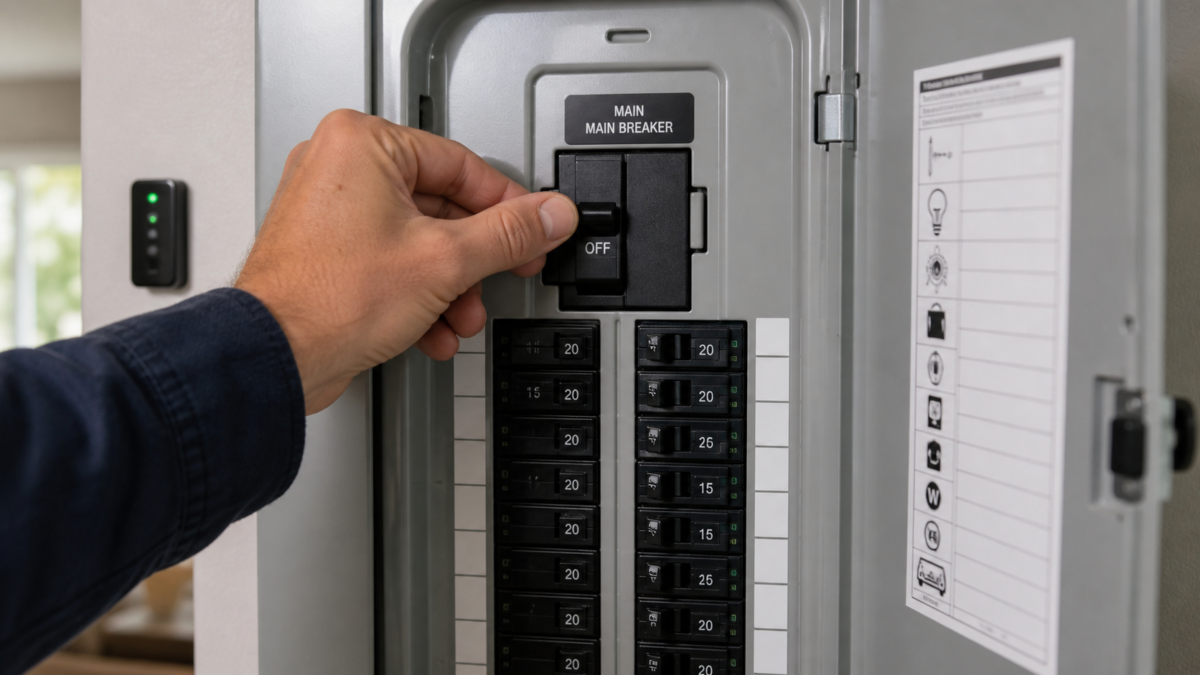
I always tell my clients that a backup plan is just a fantasy until it's been tested. The best way to do this is with a planned "drill." Start by making a list. What absolutely must run? This is your load inventory. It's probably the fridge, freezer, a few lights, and maybe a well pump. It is not the air conditioner or a 7 kW EV charger. Once you have your list, schedule a test. Turn off the main breaker to your house to simulate a real outage. Watch your battery system's monitoring app. Do you see a huge power spike when the refrigerator compressor kicks on? This is the startup trace. Does the inverter handle it without shutting down? Now, the most important part: the load-shedding drill. Teach everyone in the house what can and cannot be used. Practice turning things off. Can you survive a full evening this way? This hands-on test is a thousand times more valuable than any sales document. It replaces assumptions with facts.
A Buyer-Focused Home Battery EV Charging Backup Verification Plan?
You want to make a smart purchase and get the performance you're paying for. But it is very easy to get swayed by a single impressive demo or a neighbor's success story.
A smart buyer's verification plan compares the seller's proposal against a realistic downside case that you create. Use your own load inventory and outage expectations. You must never let a single positive example become a universal promise for your specific home and needs.
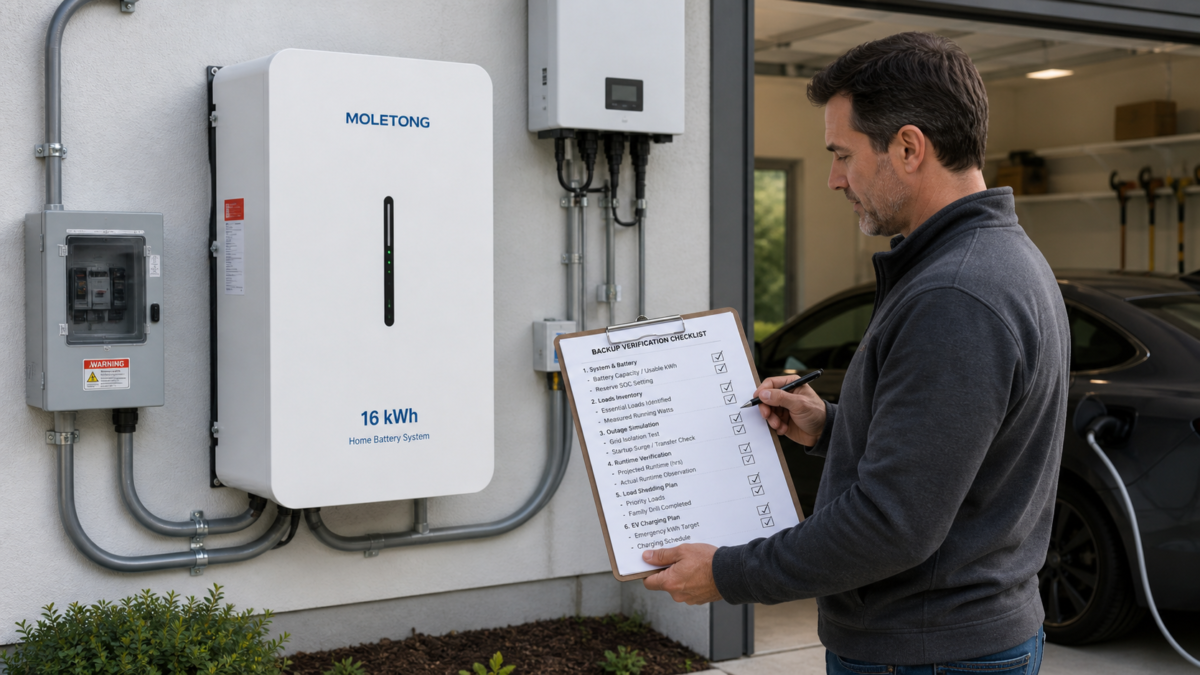
My final step is always to ground the proposal in a "what-if" scenario. Let's say we are looking at a Moletong 16 kWh residential battery. A seller might show you a perfect case where it runs essential loads for 24 hours. I would create a downside case. What if the outage lasts 48 hours and it's cold, so the furnace needs to run intermittently? What if you absolutely need to add 8 kWh to your EV to get to an important appointment? I would write this down and ask the seller to model it. This forces the conversation away from ideal promises and toward real-world performance. A single anecdote is not data. Your neighbor's system might work perfectly because they have all gas appliances and you have an electric water heater and well pump. The site conditions make all the difference. This verification plan isn't about being negative; it's about being prepared. It ensures the system you buy is the system you actually need.
Conclusion
Successful EV charging from a home battery isn't about the battery's kWh rating. It's about having a clear plan, understanding your tested loads, and setting realistic expectations for your needs.

Leave a Reply