
Bus Duct vs. Rising Main for Residential Towers: Which Is the Better Fit?
Choosing between a bus duct and a rising main cable feels like a simple product choice. But a wrong decision can lead to costly over-specification or dangerous failures.
The better fit for a residential tower is not a specific product, but a system verified by data. The choice between bus duct and rising main cables must be based on site-specific fault levels, load studies, space constraints, and internal-arc requirements, not just initial cost or product preference.
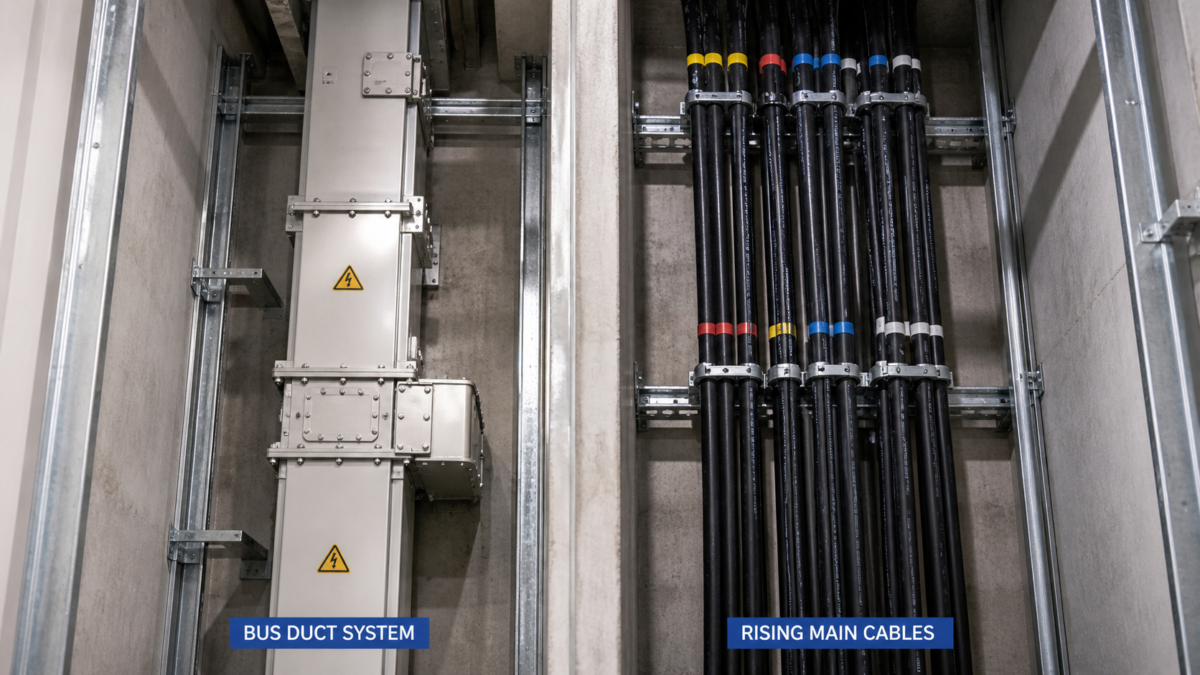
I see this question come up all the time. Engineers and buyers want to know which one is "better." My answer is always the same: we can't compare products until we understand the project's specific electrical and physical environment. Copying a solution from another project is a recipe for trouble. Instead, I insist on a process that starts with system studies and ends with a verifiable paper trail. This way, the decision is based on engineering facts, not just a sales pitch. Let’s walk through how I make this decision in a way that is safe, measurable, and repeatable.
How Can We Reframe Bus Duct vs. Rising Main as a Measurable Decision?
You're facing pressure to select a vertical distribution system. The options seem clear, but the assumptions behind each are not. This guesswork leads to endless debates about cost versus performance.
To make a measurable decision, we must first define the non-negotiable operational parameters. Before comparing products, you need to quantify your project's access constraints, system voltage, required fault level, and internal-arc containment needs. These four data points frame the entire evaluation.
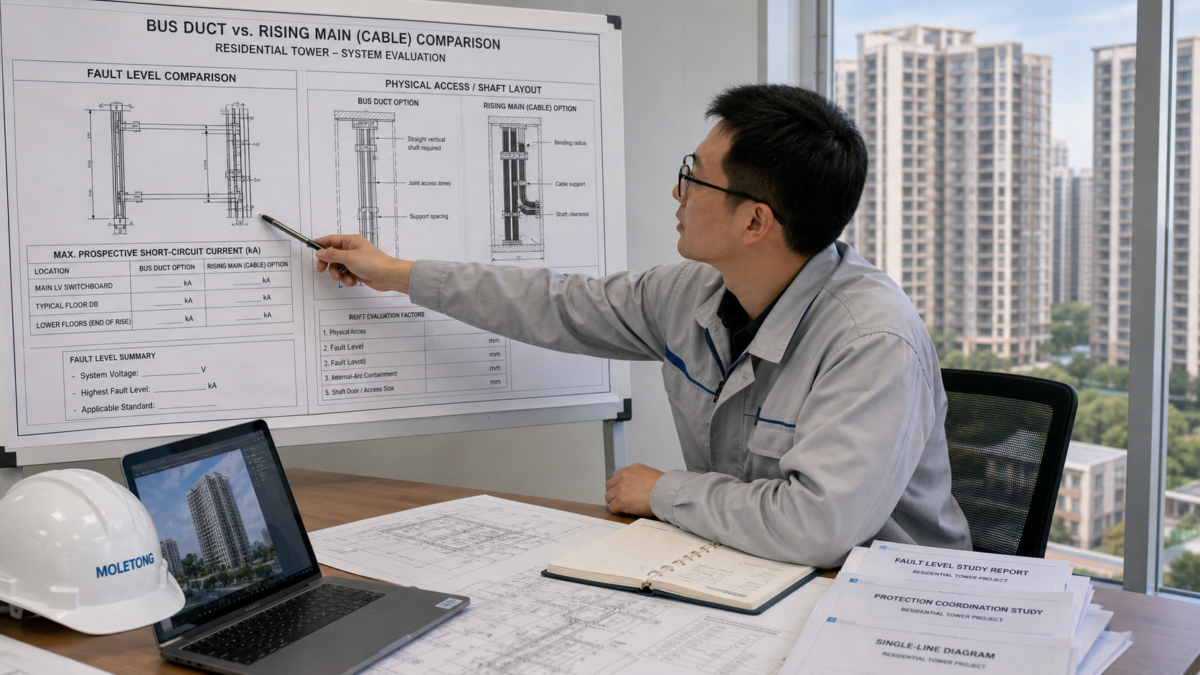
I never start by looking at product catalogs. Instead, I start with the building's reality. The first step is to get the numbers that define the electrical and physical constraints. I always ask for four key pieces of information: the physical access for installation and maintenance, the system voltage, the calculated fault level at key points, and the specified requirements for internal-arc fault containment. I find that one of these factors often has the biggest effect on the outcome. For example, a very high fault level might immediately make certain cable options impractical or unsafe, pushing the decision toward a bus duct. A tight, twisting riser shaft might make installing rigid bus duct sections impossible. We have to map these constraints first.
Key Evaluation Factors
I create a simple table to get everyone on the same page. This forces the team to agree on the core requirements before we even mention a specific product.
| Factor | Bus Duct Consideration | Rising Main (Cable) Consideration | Project-Specific Question |
|---|---|---|---|
| Physical Access | Requires straight, clear vertical shafts. Joints need access for torque checks. | More flexible for complex routes. Bending radius is a key constraint. | What is the exact dimension and layout of our riser shaft? |
| Fault Level | High short-circuit withstand rating, often specified in kA for 1 second. | Withstand depends on cable size, bracing, and termination quality. Can be a weak point. | What is the maximum prospective short-circuit current? |
| Internal-Arc Need | Type-tested assemblies offer predictable arc containment. | Containment is not inherent; relies on switchgear and shaft construction. | What is the building’s safety requirement for an arc-flash event? |
This process changes the conversation from "Which is cheaper?" to "Which system safely meets these specific numbers?" It turns a subjective preference into a measurable engineering decision.
What Data Is Needed to Evaluate Bus Duct vs. Cable Distribution Without Guesswork?
Making a choice without a proper system study is just guessing. You might save money upfront on a cable system that can't handle a fault, or overspend on a bus duct you don't need.
You need an approved single-line diagram, a complete fault level study, and a protection coordination study. These documents provide the essential voltage, current, and time-based data required to select and size any distribution system correctly. Without them, any comparison is purely speculative.
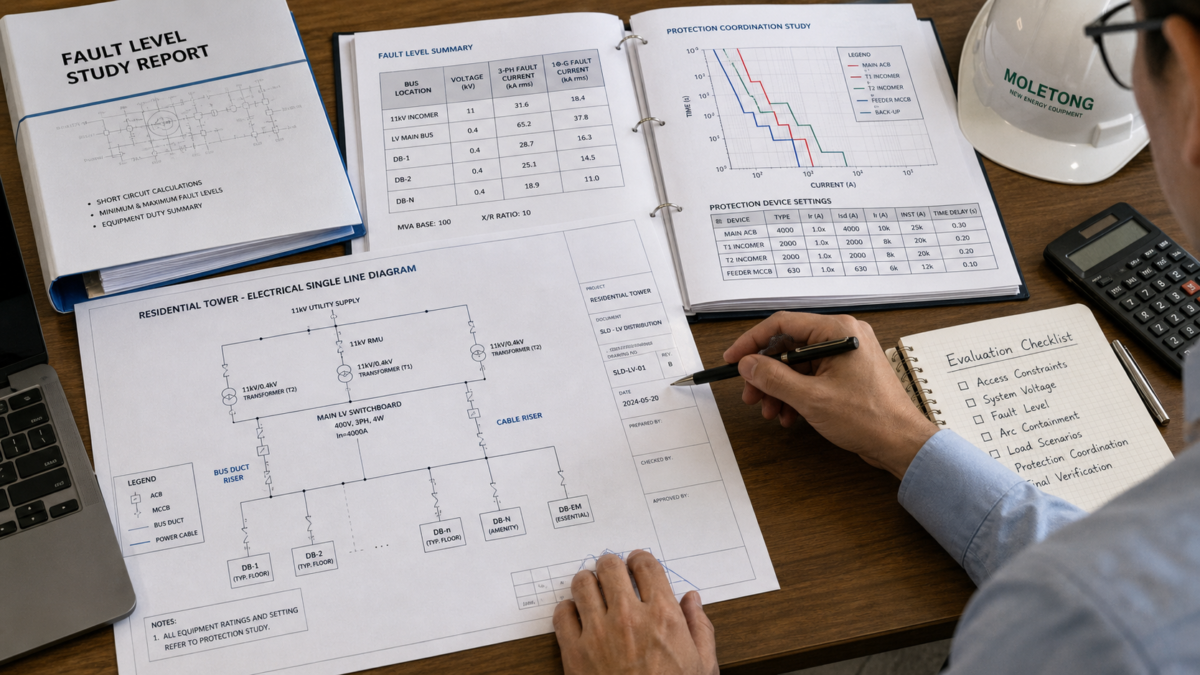
Before I will even discuss product options, I demand three documents. First, the updated and approved single-line diagram (SLD). This is the map of the entire electrical system. It shows me where everything is connected, from the utility source down to the final distribution boards. Second, I need a comprehensive fault level study. This report tells me the maximum current that could flow during a short circuit at different points in the system. This number is critical for safety and equipment selection. A bus duct or cable that isn't rated for the calculated fault current will fail catastrophically. Third, I require a protection coordination study. This tells me how the circuit breakers and fuses are set to operate. It ensures that the breaker closest to a fault trips first, isolating the problem without shutting down the entire building. These three documents are my foundation. They replace assumptions with hard data, allowing me to start comparing real-world performance instead of just catalog specifications.
How Does Load Change the Risk Profile?
A system looks perfect on paper with an assumed average load. But in reality, loads change, and unexpected peaks can push equipment past its safe operating limits, increasing fire risk and voltage drop.
Changing loads directly impact thermal stress and voltage stability. I always test a conservative operating case, like peak summer demand with one transformer out of service, rather than using only the most attractive or average load result. This reveals the true risk profile of each option.
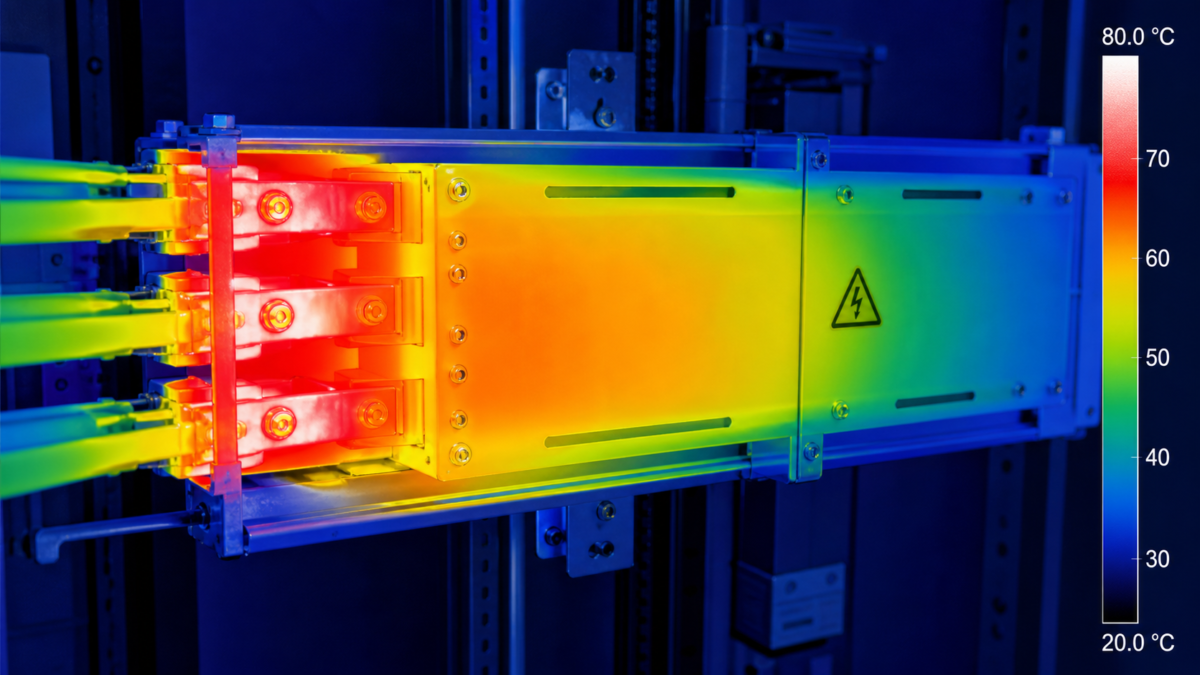
I learned a long time ago not to trust calculations based on "typical" load. A residential tower's demand for power is not static. Think about a hot summer evening when every air conditioner is running. Or consider future changes, like the widespread adoption of electric vehicles, which will add significant charging loads. The initial design might not account for this. That's why I model a "worst-case" scenario. For example, I might calculate the voltage drop and temperature rise for a bus duct and a cable system assuming the highest recorded summer load. Then, I add a safety margin for future growth. This stress test often shows a clear winner. A cable system that looked fine at 50% load might have an unacceptable voltage drop at 90% load, while a bus duct remains stable. By testing a conservative case, we aren't just selecting a product; we are validating a system that can handle the building's real-world electrical demands safely for decades.
What Are the Final Checks Before Approving Bus Duct vs. Cable Distribution?
A decision has been made based on studies. But without final verification, you are trusting that the installed system matches the design intent. This gap between paper and reality is a major risk.
The final checks are a documented trail of verification. I require the approved single-line diagram, the final fault and coordination study with relay settings, Factory Acceptance Test (FAT) records, and a post-commissioning thermal scan. This checklist confirms the system was built and installed as designed.
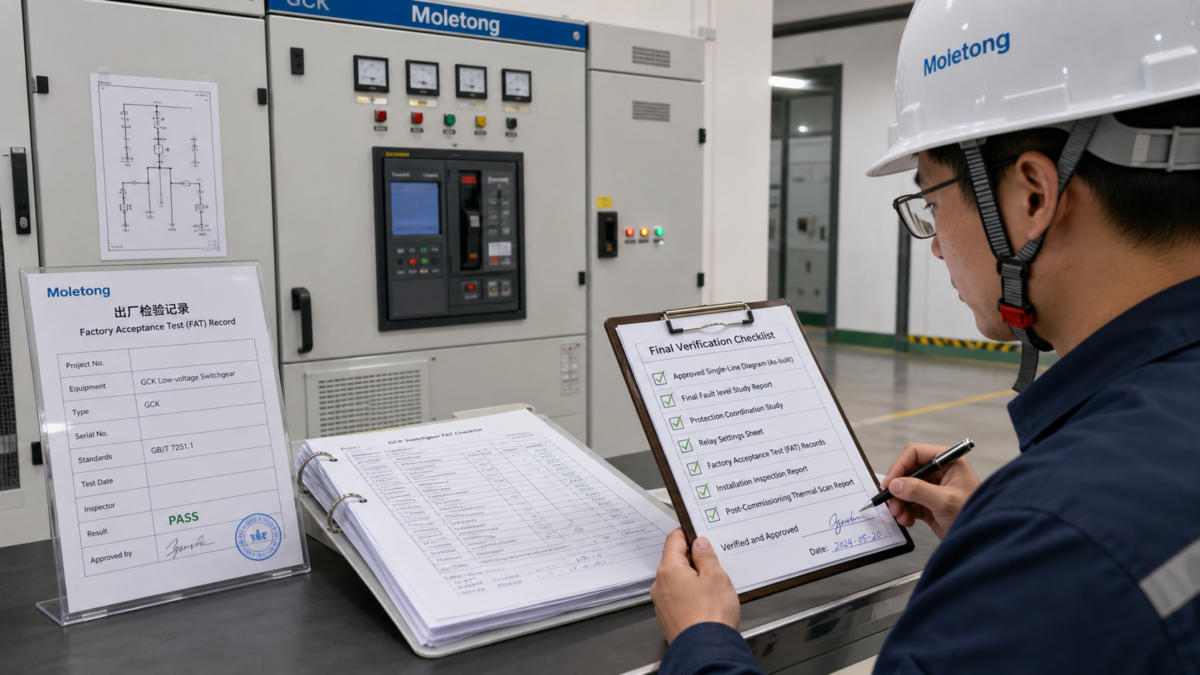
My approval process doesn't end with the selection. It ends when I can prove the system was installed correctly and is operating safely. This requires a paper trail. The first two items are the final, as-built versions of the single-line diagram and the protection study. I also need the specific relay settings that were programmed into the breakers. Next, I demand the Factory Acceptance Test (FAT) records for the key equipment. For a system using Moletong equipment, I would look for the project-specific FAT records confirming the ratings of the GCK low-voltage switchgear or the bus-duct sections. This proves the equipment was tested before it left the factory. Finally, after the system is energized, I require a thermal scan of all major connections. This scan provides visual proof that there are no hot spots or loose terminations. This checklist is my final sign-off. It provides a concise, verifiable record that allows anyone to confirm that the right decision was made and implemented correctly.
Conclusion
Base your decision on a repeatable process, not a product preference. Use a data-driven checklist to evaluate your site’s specific needs and ensure a safe, reliable electrical distribution system.


Leave a Reply