

How Do I Pick a Decent Semi Solid State Power Bank?
Are you confused by battery marketing terms? Worried you will pick a product that fails early or is unsafe? You are not alone. It is a common problem.
To pick a decent semi-solid state power bank, you must look past the product label. Instead, demand model-specific evidence for lifetime and safety. This includes temperature history data, State of Charge (SOC) window tests, and relevant abuse-test reports for your exact operating conditions.
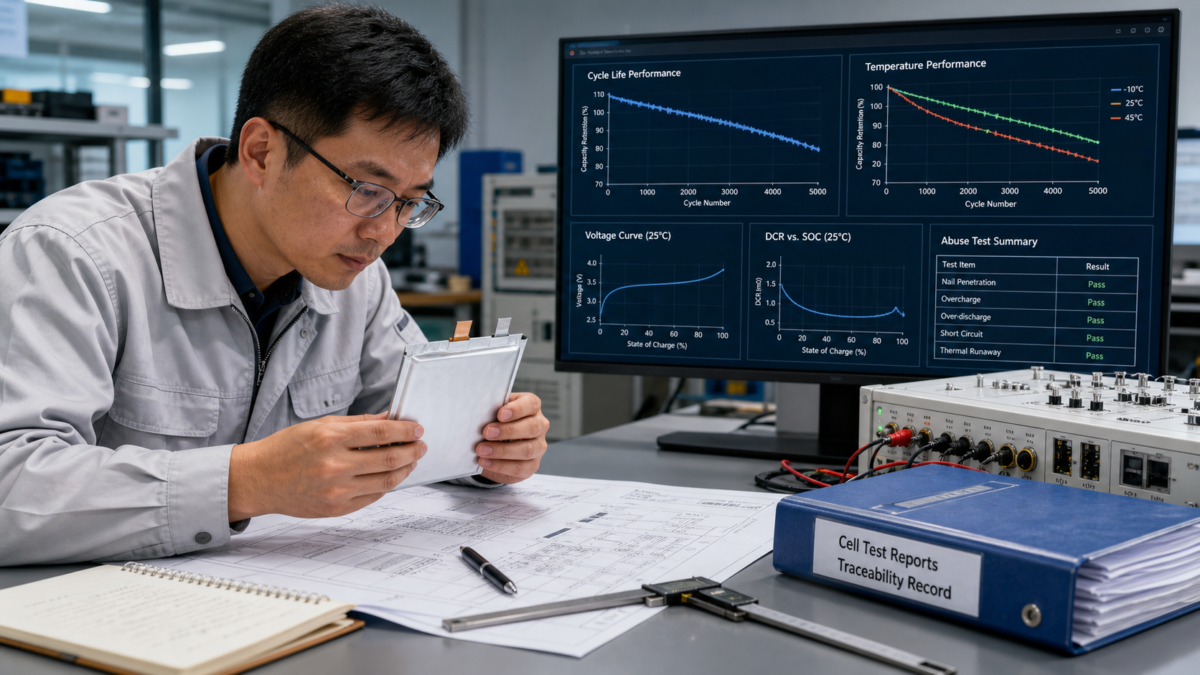
If I were helping a buyer, I would start with this single question. The whole point is to avoid relying on a simple chemistry name like "LFP" or "semi-solid." These labels do not guarantee anything. One company's semi-solid battery can perform very differently from another's. I once saw two projects use batteries with the same "chemistry" label. One failed in a year because it was used in a hot climate it was not tested for. The other is still running perfectly five years later. The difference was not the chemistry name. It was the specific design and the evidence that backed it up. This is why I always turn the decision into a model based on real data. You need to understand how the battery will truly behave where you plan to use it.
The Operational Reality Behind Picking a Decent Semi Solid State Power Bank?
A product looks great on paper. But its real-world performance is often disappointing. This gap between the proposal and reality can cause major problems and cost you money.
The operational reality is that a battery's nameplate chemistry is not a substitute for evidence. You must see test reports that match your specific use case. This means looking at temperature, cycle life, and safety data for the exact model you are buying.
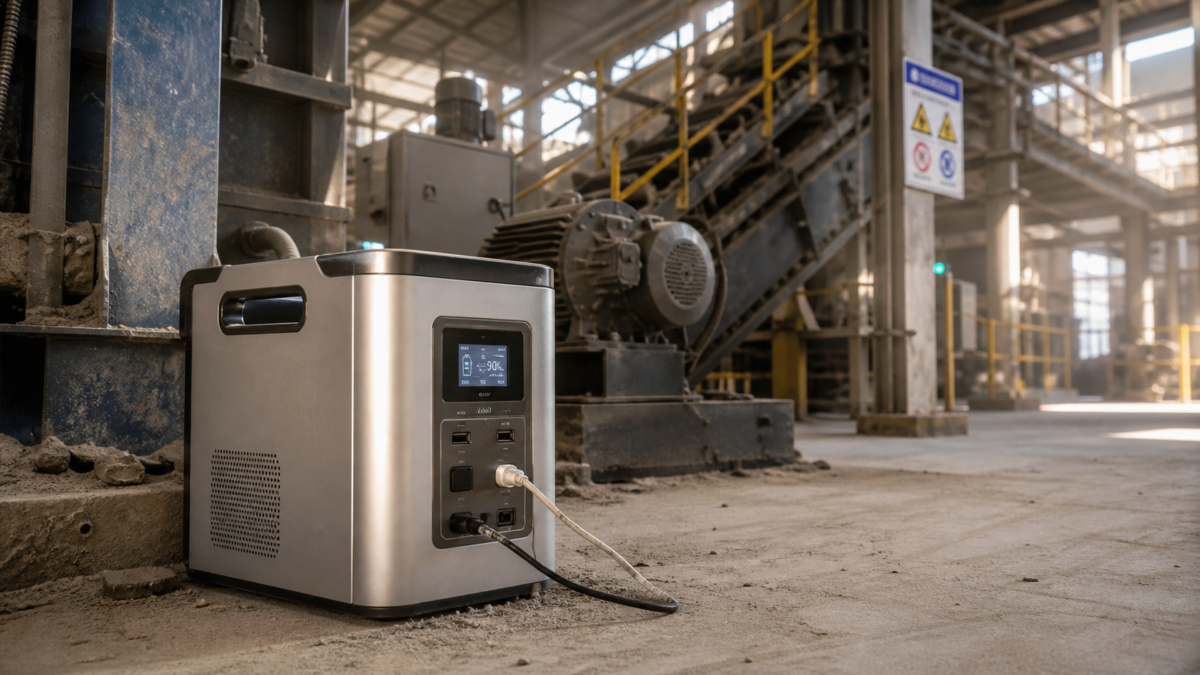
When I evaluate a battery, I ignore the marketing terms at first. I ask for the test data. I want to see how the battery actually performed under stress. The practical issue is that generic claims do not help. A company might say their semi-solid battery is safer. But safer than what? And under what conditions? I need to see the abuse-test report. Did they crush it? Did they puncture it? What actually happened? I treat any descriptions from a company, including our own at Moletong, as model-specific information, not as universal truths about a chemistry. A useful proposal must include data. I created a simple table to help me check if a test report is actually useful for my project. It helps me connect the supplier's claims to my operational reality.
| Evaluation Factor | What to Look For | Why It Matters |
|---|---|---|
| Test Report Applicability | Does the test model exactly match the model being offered? Check the part number. | Small changes in manufacturing can lead to big differences in performance and safety. |
| Temperature Data | Does the test temperature range match your operational temperature range? | A battery tested only at 25°C may fail quickly at 45°C or -10°C. |
| Traceability Record | Can the supplier trace the tested cells back to a specific production batch? | This proves the cells you are buying are from the same quality-controlled batch as the ones tested. |
| Degradation Curve | Is the degradation curve based on cycling conditions similar to yours? (e.g., SOC window, C-rate). | How long the battery lasts depends entirely on how you use it. The test must reflect that use. |
Why Does Temperature History Change the Design?
Have you ever left your phone in a hot car? It gets sluggish and the battery dies fast. Energy storage systems are the same, just on a much bigger scale.
Temperature history is the single most important factor affecting battery life and safety. A design must change to include proper cooling or heating systems based on the location's entire temperature range. Otherwise, the battery will degrade quickly and could become a safety risk.
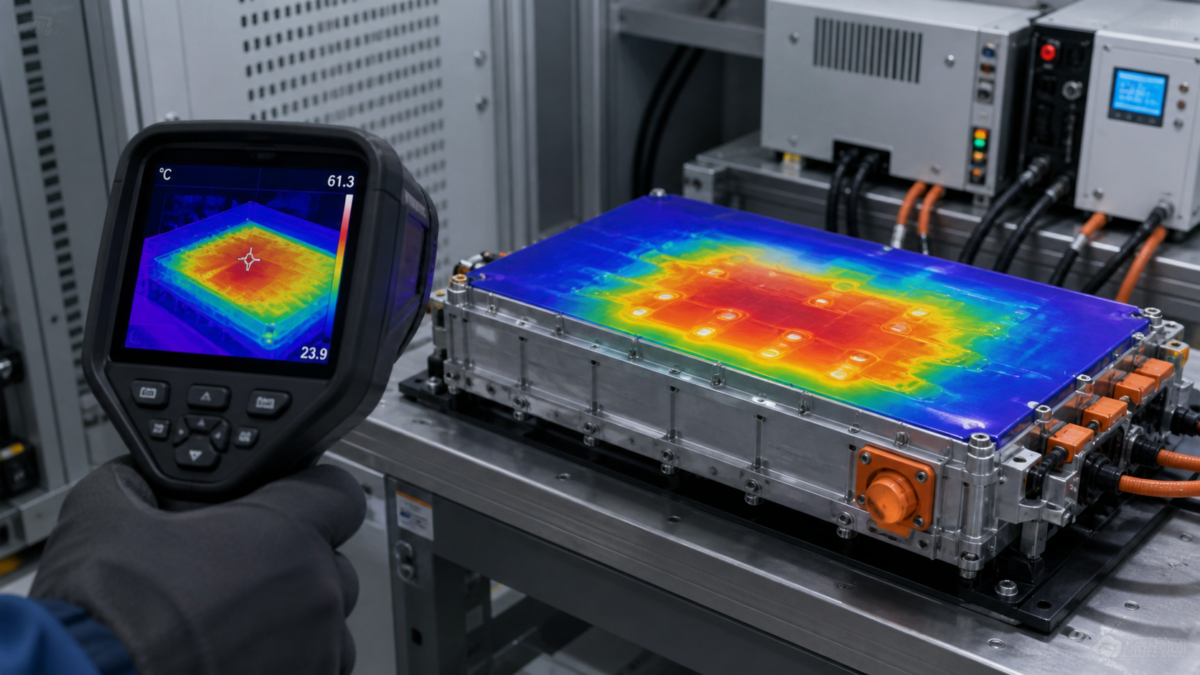
A battery is a chemical system. And chemical reactions are very sensitive to temperature. If a battery operates for long periods at high temperatures, say above 40°C, its internal components start to break down faster. This causes permanent capacity loss. I've seen degradation curves where a battery loses an extra 10% of its life just from a 10°C increase in average operating temperature. On the other hand, very low temperatures, like below 0°C, can also cause damage, especially during charging. It can cause lithium plating, which is a major safety hazard. So, when I design a system, I don't look at the average yearly temperature. I look at the historical highs and lows for that specific location. That data tells me if I need a liquid-cooling system, an air-conditioning unit, or heaters. The design must handle the most inconvenient condition, not the most convenient one.
How Do You Balance Performance, Safety, and Serviceability in Semi Solid Battery Energy Storage?
Everyone wants maximum performance, perfect safety, and zero maintenance. But in the real world, you cannot have all three at once. Pushing one of these factors too high often hurts the others.
You balance these three factors by using model-specific data to set realistic operational limits. This means defining a safe State of Charge (SOC) window and dwell time. The design must also allow for practical serviceability, even if it adds some cost or size.
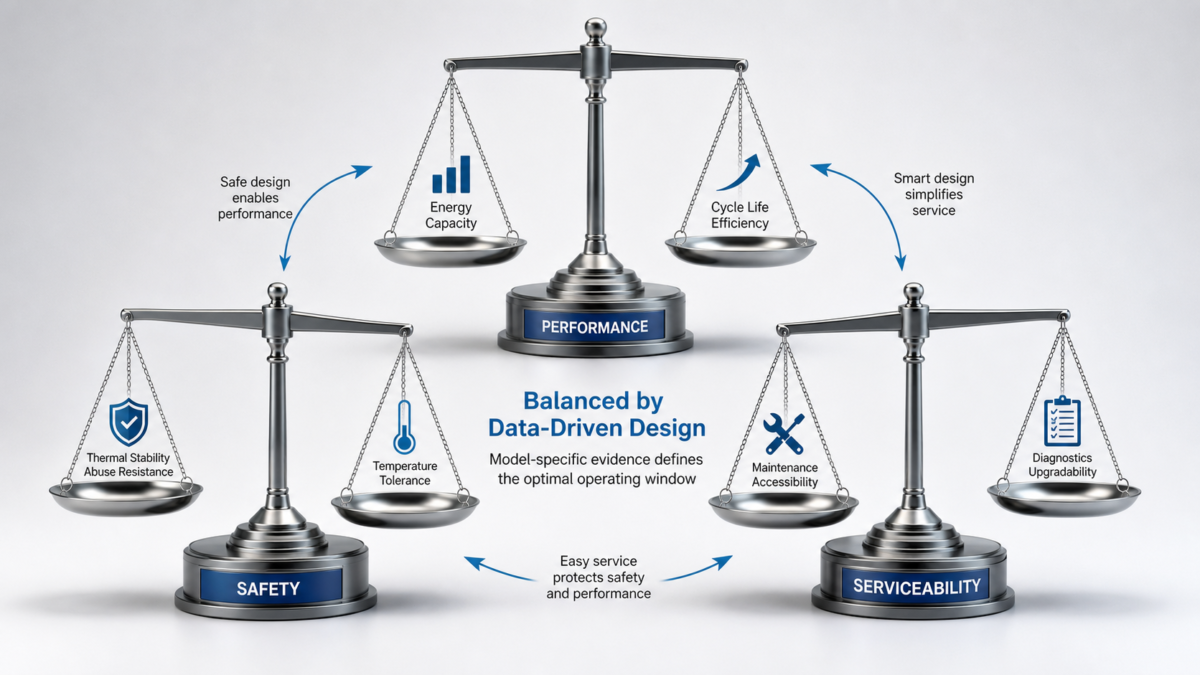
This is a constant negotiation during the design phase. For example, the marketing team might want to claim the highest possible energy capacity. We can achieve that by charging the battery to 100% and discharging it to 0%. But running a battery in this wide SOC window puts a lot of stress on it. It causes it to degrade much faster and can push it closer to unsafe conditions. A more balanced approach is to limit the operating window, perhaps from 10% to 90% SOC. This reduces the usable capacity slightly, but it can double the battery's service life and improve safety. Dwell time, or how long the battery sits at a very high or very low charge, also matters. A battery sitting at 100% charge in a hot environment is a recipe for rapid degradation. For serviceability, the easiest design for me to build might be a tightly packed, sealed box. But that would be a nightmare for a technician to repair in the field. So we have to make it a bit larger and add access panels. It is always a trade-off.
What Should You Confirm for Semi Solid Battery Energy Storage at Design Review and Handover?
You are at the final stage. You have a design you like and you are ready to approve it. This is the most critical point. Signing off without checking key details is a huge risk.
Before you approve any design, you must confirm four things. Get the component traceability record, the full degradation curve data, the specific abuse-test evidence, and a clear warranty that defines operating limits. These documents are your proof of future performance.

This is where I get very specific. I do not accept vague promises. I finish every design review with a list of exact questions. These questions ensure that what I am buying is what was tested and what I will actually receive. First, I ask, "Can you provide the traceability record for the cells in this batch, linking them to the cells used in the test reports?" This confirms quality control. Second, I ask, "What were the exact conditions for the degradation curve you showed me? Specifically, what was the temperature, the SOC window, and the C-rate?" This tells me if the lifetime claim is relevant to my project. Third, I ask, "Which specific abuse tests has this exact battery model passed, and can I see the reports?" This is non-negotiable for safety. Finally, I ask, "How do these operating conditions relate to the warranty? If I operate outside these tested temperatures or SOC windows, is my warranty void?" This final question links their technical claims directly to their commercial commitment.
Conclusion
To choose a good semi-solid power bank, you must be an informed buyer. Do not rely on marketing labels. Instead, demand model-specific proof of performance, safety, and lifetime.

Leave a Reply