

Off-Grid vs On-Grid Inverters: What Buyers Need to Know
Confused about inverters? You hear "hybrid" is best for off-grid power with a generator, but you worry about making a costly mistake. It can feel very overwhelming.
The best inverter depends on your goal. An off-grid inverter is for total independence. An on-grid inverter saves money with grid power. A hybrid inverter can do both, but its reliability with a generator depends more on the operating sequence and site conditions than the equipment itself.
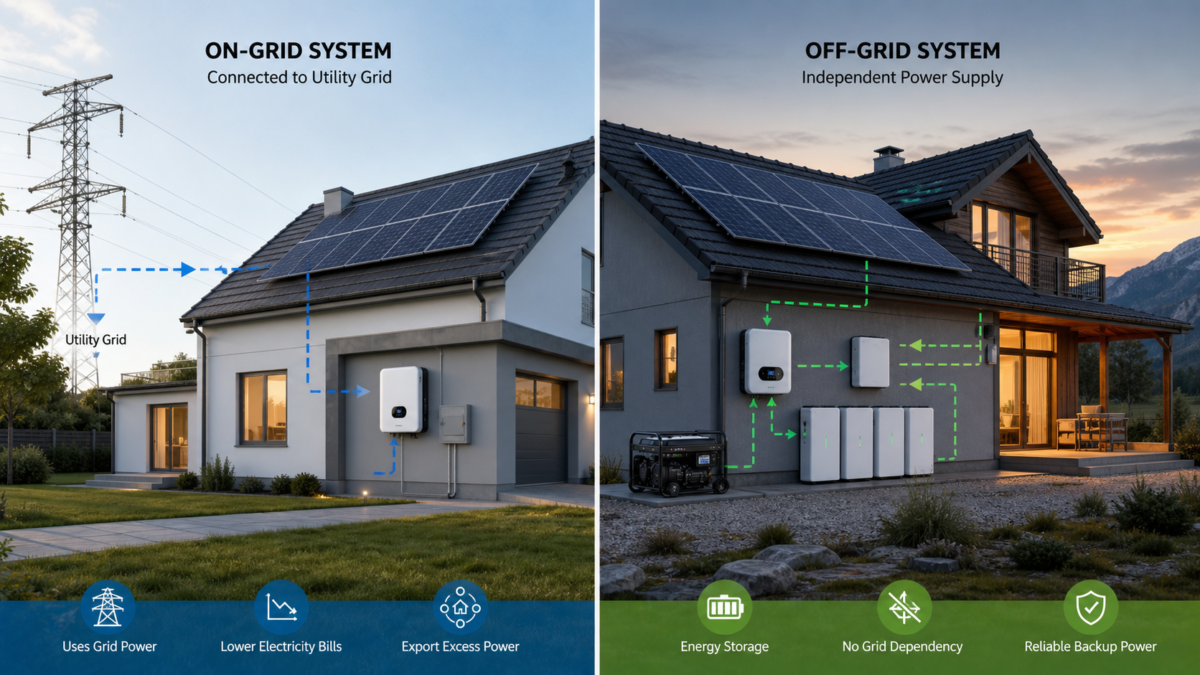 " alt="Representative home solar and battery installation" title="Comparing On-Grid, Off-Grid, and Hybrid Inverter Setups" decoding="async" loading="lazy" />
We've seen many projects go wrong because people picked the "best" inverter without understanding the real problem they were trying to solve. It's a mistake that's easy to make but hard to fix. The technical sheets all look great, but the real world is messy. We want to walk you through a better way to think about this, based on years of seeing what works and what fails. This is about making a choice that gives you real peace of mind.
Why a Hybrid Inverter and Generator Still Need System-Level Planning
You are told a hybrid inverter with a generator is the perfect off-grid solution. But what if it fails when you need it most, leaving you in the dark?
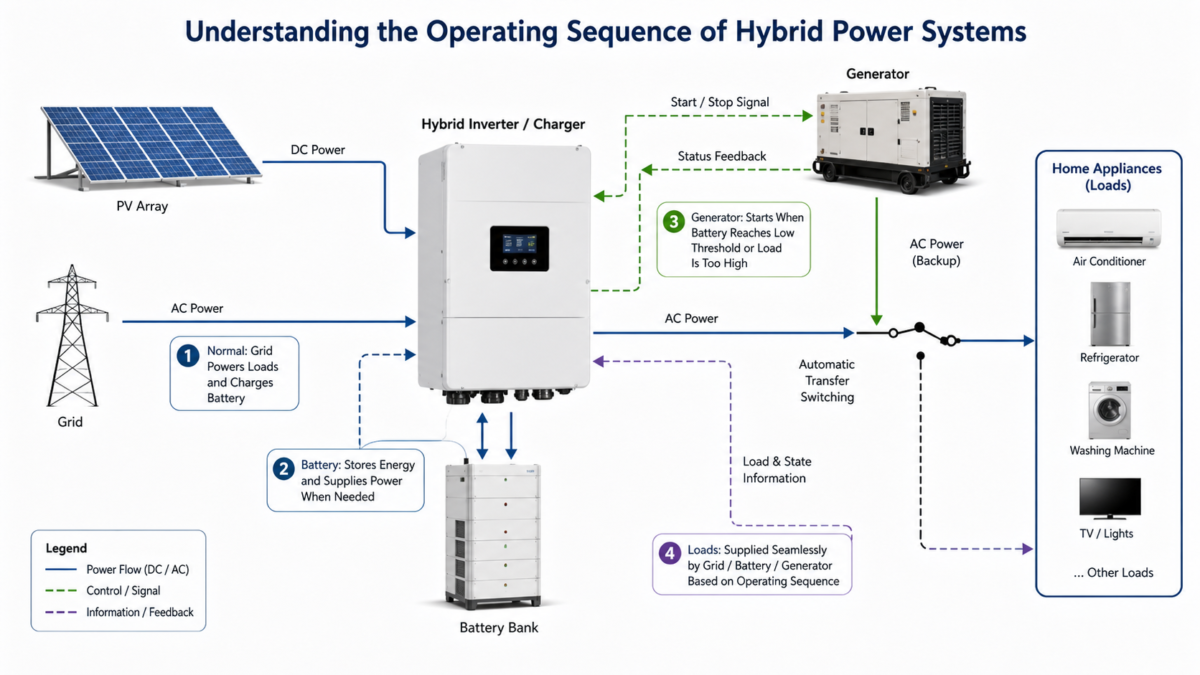
The "hybrid" answer is often wrong because it treats reliability as just an equipment choice. Real-world success depends on the operating sequence: how the inverter, batteries, and generator work together during a power transfer. A mismatch here is the most common point of failure.
 " alt="Engineers reviewing site data and energy storage project documents" title="Understanding the Operating Sequence of Hybrid Power Systems" decoding="async" loading="lazy" />
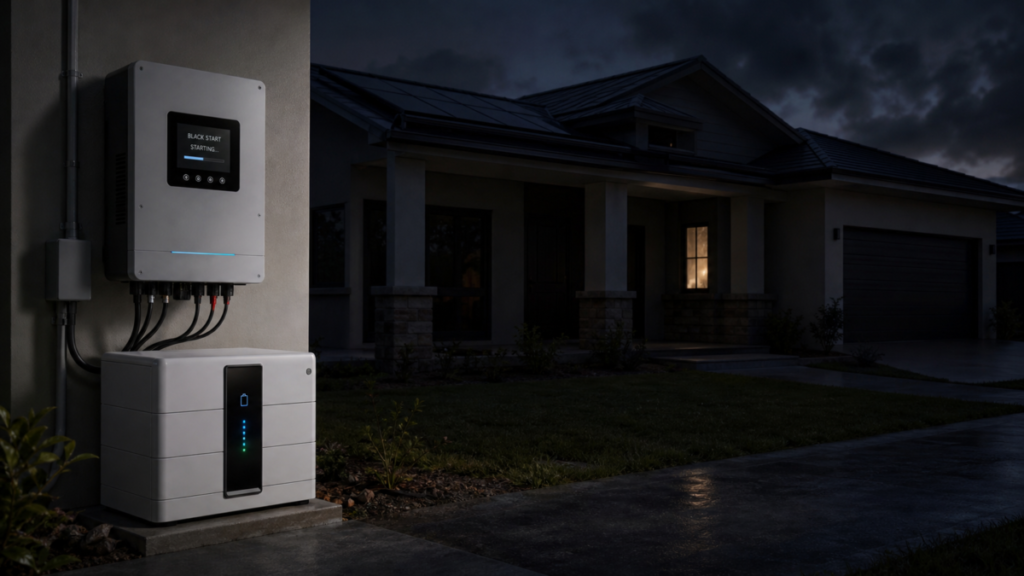
Consider a common failure scenario: the grid goes down when the batteries are already low, then the inverter asks the generator to start but the remaining battery cannot support the startup sequence. Even premium equipment can shut down when the control logic, reserve state of charge and generator-start requirements have not been engineered together. We therefore review the complete operating sequence, including the worst credible outage condition.
Expectation vs. Reality in Hybrid Systems
| Buyer's Goal | Common Assumption | The Hidden Problem | The Right Question to Ask |
|---|---|---|---|
| Seamless Backup Power | The hybrid inverter will just work. | Transfer switch timing and generator startup load can crash the system. | What is the exact black-start sequence from zero power? |
| Lower Electricity Bills | We will sell power back to the grid. | Grid-export features are disabled during an outage, providing no resilience. | Is our primary goal savings or resilience? They require different setups. |
| Run Heavy Appliances | The inverter's peak power rating is enough. | Battery discharge limits (C-rate) can be the real bottleneck, not the inverter. | Can the battery safely provide the surge power our motor needs? |
Separate Site Conditions From Equipment Limits
You checked the inverter’s specs and they look great on paper. But site-specific issues like temperature or fuel quality can make that great equipment underperform or even fail.
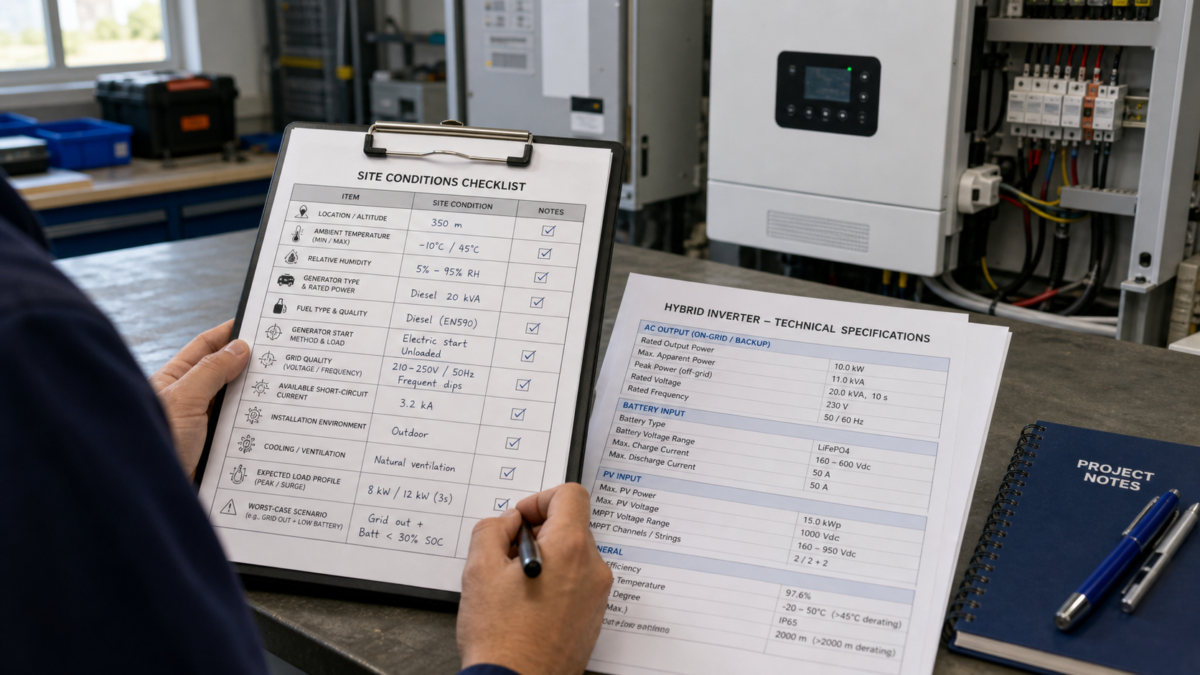
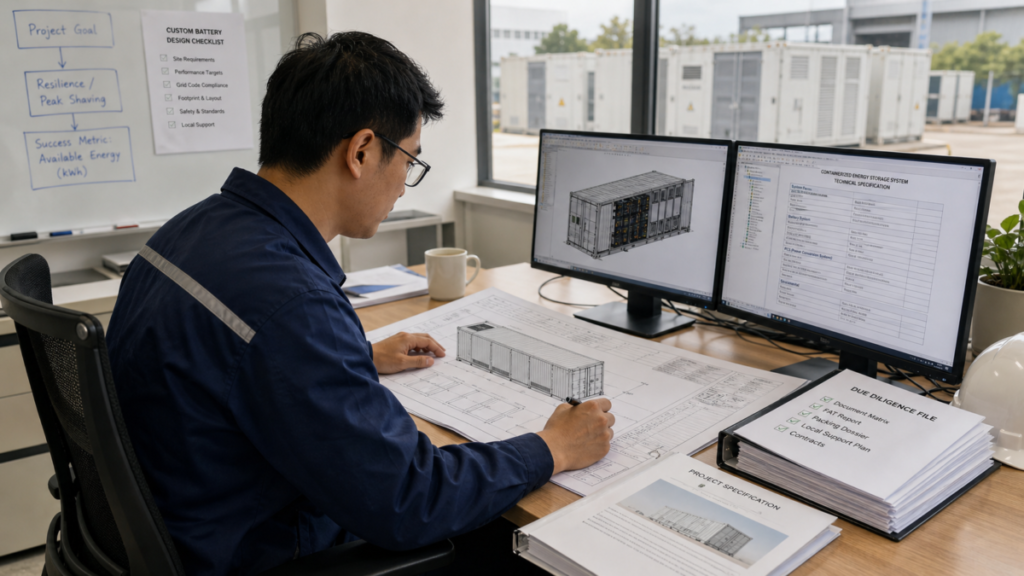
You separate them by making a checklist. Document your site conditions, like altitude, temperature extremes, and the generator's actual startup behavior. Then, compare these facts against the inverter and battery's documented operating limits. A gap between the two is your biggest risk.
 " alt="Engineers reviewing site data and energy storage project documents" title="Matching Equipment Specifications to Real-World Site Conditions" decoding="async" loading="lazy" />
Cold weather illustrates why site conditions matter. A battery discharge rating measured at 25°C may not provide the same output near freezing, and a reduced output can prevent the inverter from supporting a pump's startup surge. We therefore compare the worst expected temperature, battery limits and actual inrush current instead of relying on a single headline rating.
What Happens When Grid Quality Is Overlooked?
Your system is grid-tied for savings but uses a generator for backup. You assume the grid is stable, but what if frequent dips and surges are slowly destroying your inverter?
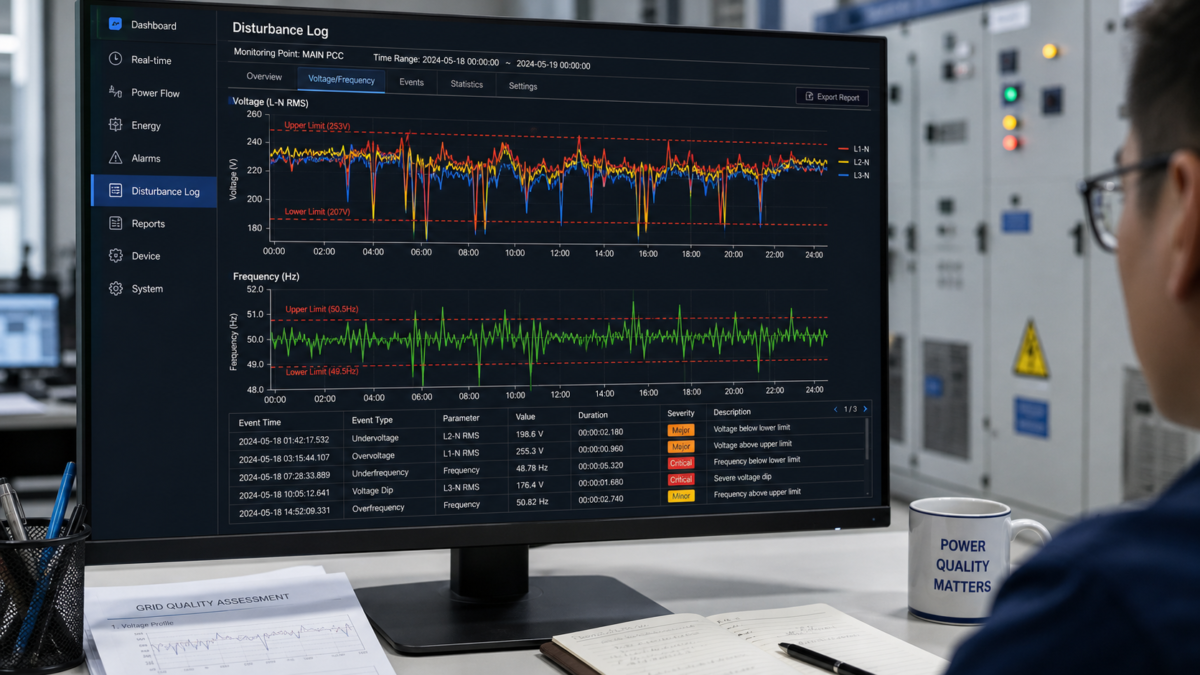
When grid quality is poor, a hybrid inverter may constantly switch between grid, battery, and generator. This causes excessive wear on components like transfer switches and relays. It can also lead to unexpected shutdowns if the inverter misinterprets a voltage sag as a full outage.
 " alt="Installer reviewing a home battery, inverter and generator integration" title="Analyzing Grid Disturbance Logs for Inverter Compatibility" decoding="async" loading="lazy" />
We worked with a small business owner in a rural area whose grid power was very "dirty." They had frequent brownouts and voltage spikes. They installed a new hybrid system to save on electricity costs and provide backup. Within a year, the inverter failed. When we looked at the system's internal disturbance log, we found the answer. The log is like a flight recorder for your power system; it tracks every problem. It showed the inverter was attempting to transfer between the grid and the battery hundreds of times a day because of the unstable power. The internal switches were not designed for that level of activity and simply wore out. The equipment wasn't faulty. The setup was wrong for the environment. The installer should have looked at the grid quality first and adjusted the inverter's sensitivity to ignore minor dips. Overlooking the grid is a common and expensive mistake.
A Better Decision Process for Inverter and Generator Systems
You want to make the right choice but feel lost in technical jargon. You need a simple, clear process that leads to a system you can actually depend on.
Start by clearly defining your primary goal: savings, resilience, or capacity relief? Then, map out the operating sequence for your worst-case scenario. Use a simple source-state diagram to visualize transitions, and insist on a real black-start test to prove the system works from zero.
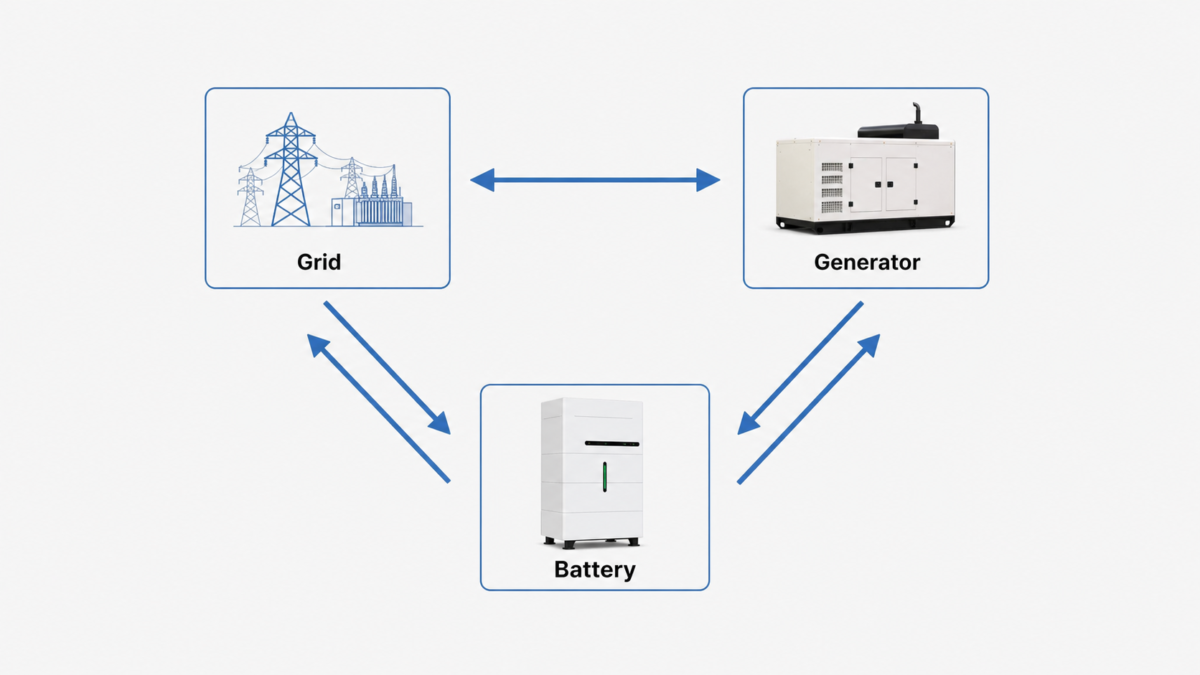 " alt="Engineers reviewing site data and energy storage project documents" title="Visualizing Power Transitions with a Source-State Diagram" decoding="async" loading="lazy" />
Our process starts by separating savings from resilience. We then document the operating sequence as clear if-then rules, including what should happen when the grid fails at a low state of charge. Finally, the commissioning plan must test the credible downside cases safely, including the required black-start or restoration sequence where applicable. That evidence is more useful than a generic promise of backup power.
Conclusion
Choosing an inverter is less about the hardware and more about the operating plan. Define your goals, map the sequence, and test for your worst day for true reliability.
Leave a Reply