
Do Most Zero Export Hybrid Inverters Actually Allow Some Grid Export?
Tired of utility rules limiting your solar system? You bought a zero-export inverter for compliance and off-grid reliability, but you suspect it's not performing as promised.
Yes, most zero-export hybrid inverters allow some grid export, even if it's only for a few seconds. This is because of the physical lag time it takes for the inverter's sensors and controls to react to sudden changes in your home's energy consumption or solar production.
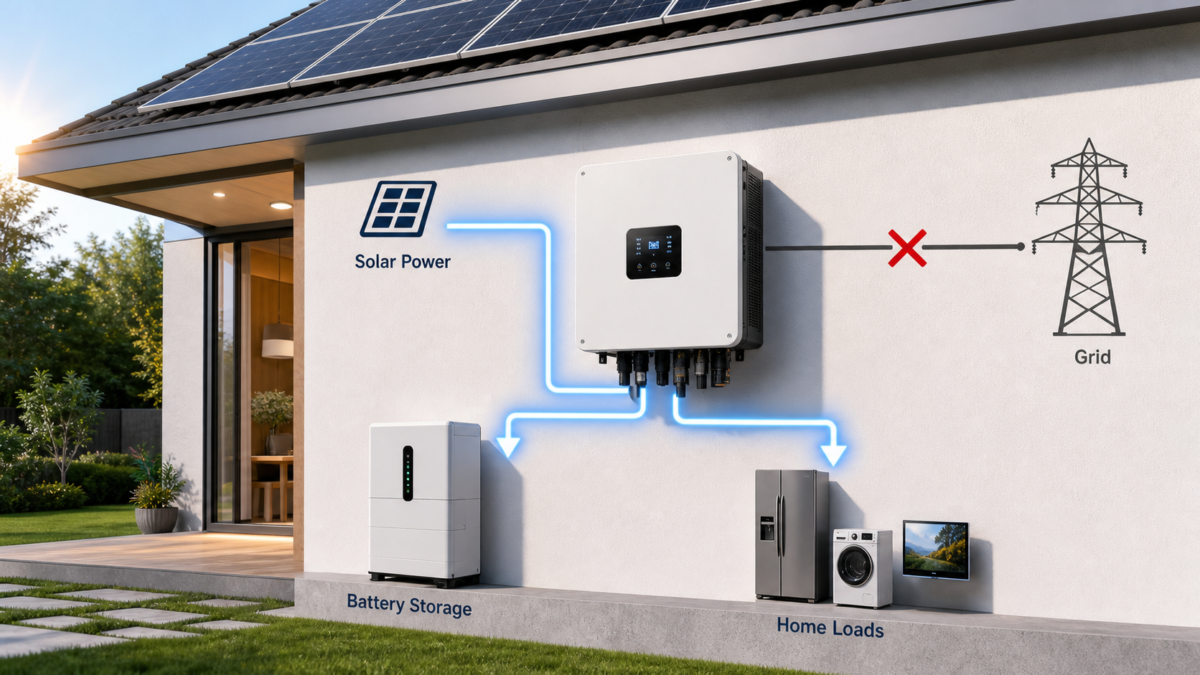
You've probably heard the term "zero export" and assumed it meant an absolute iron wall between your solar system and the grid. I've been in this field a long time, and I can tell you the reality is a bit more complicated. It’s not about finding a perfect system, but about finding a system that’s perfect for your specific needs and constraints. Let’s break down what really happens, why it matters, and how you can ensure you get the outcome you paid for. It's an operating sequence problem as much as it is an equipment problem.
The Buyer Pain Point Behind Most Zero Export Hybrid Inverters Allow Some Grid Export?
Are you worried about getting fined by your utility company? Or maybe you're concerned that brief power exports could destabilize your sensitive equipment or even violate your grid connection agreement.
The main pain point is the gap between the marketing promise of "zero export" and the physical reality. Inverters need time to react. When you suddenly turn off a large appliance, the excess solar power has to go somewhere. For a brief moment, it can leak onto the grid.
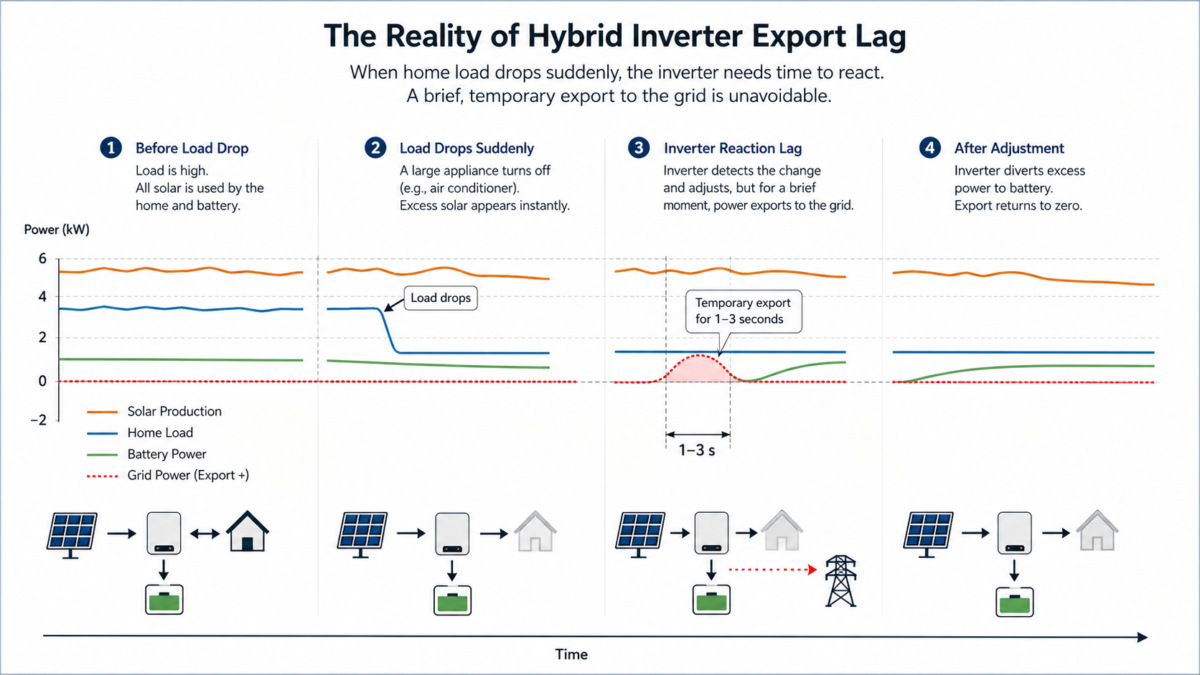
When I design a system, my approach is simple. First, I define the exact outcome the buyer needs. Is it strict adherence to a utility mandate of zero, or is it about maximizing self-consumption with a safety buffer? Second, I identify the real-world constraints that can defeat that outcome. A key constraint is reaction time. No inverter is instantaneous. A sudden drop in household load—like an air conditioner cycling off—leaves a surplus of solar power for a fraction of a second. The inverter needs to see this change and divert the power to the battery or curtail the solar panels. That process takes milliseconds, and during that time, a small amount of power can be exported. I've seen this happen on countless sites. The problem gets worse with poor grid quality or unbalanced phases in a three-phase system.
Ideal vs. Reality in Zero Export Scenarios
| Operating Scenario | Ideal “Zero Export” Expectation | Physical Reality |
|---|---|---|
| Large Appliance Shuts Off | Solar power is instantly diverted to the battery with zero grid export. | A brief export of a few hundred watts occurs for 1-3 seconds as the inverter detects the load drop and adjusts. |
| Sudden Increase in Sun | Solar production ramps up, and all excess power is immediately sent to charge the battery. | The inverter’s MPPT and export control systems react, but a momentary export spike is possible before the battery absorbs the surplus. |
| Battery Reaches 100% | The inverter perfectly curtails solar production to match only the household loads. | The inverter begins to ramp down solar, but slight overshoots can cause minor, temporary exports. |
How to Test the Key Hybrid Inverter Zero Export Assumptions?
You've installed your system, but how can you be sure it's working right? You can't just trust the sales brochure. You need a way to verify its real-world performance.
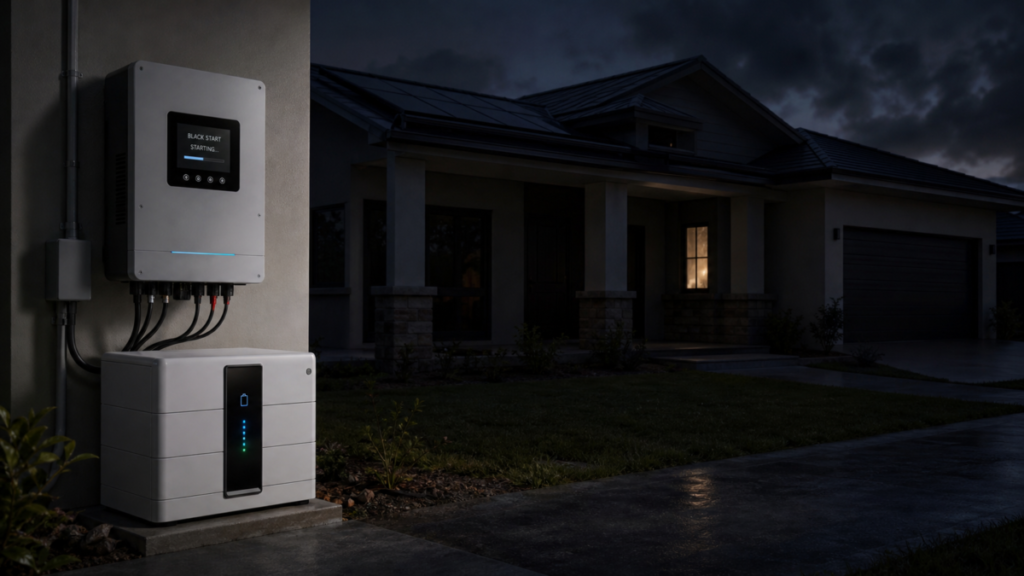
To test zero-export assumptions, you need to review the inverter's disturbance log after creating specific test conditions. This includes a "black-start" test (disconnecting from the grid) and simulating sudden load changes to measure the inverter's actual response time and export leakage.
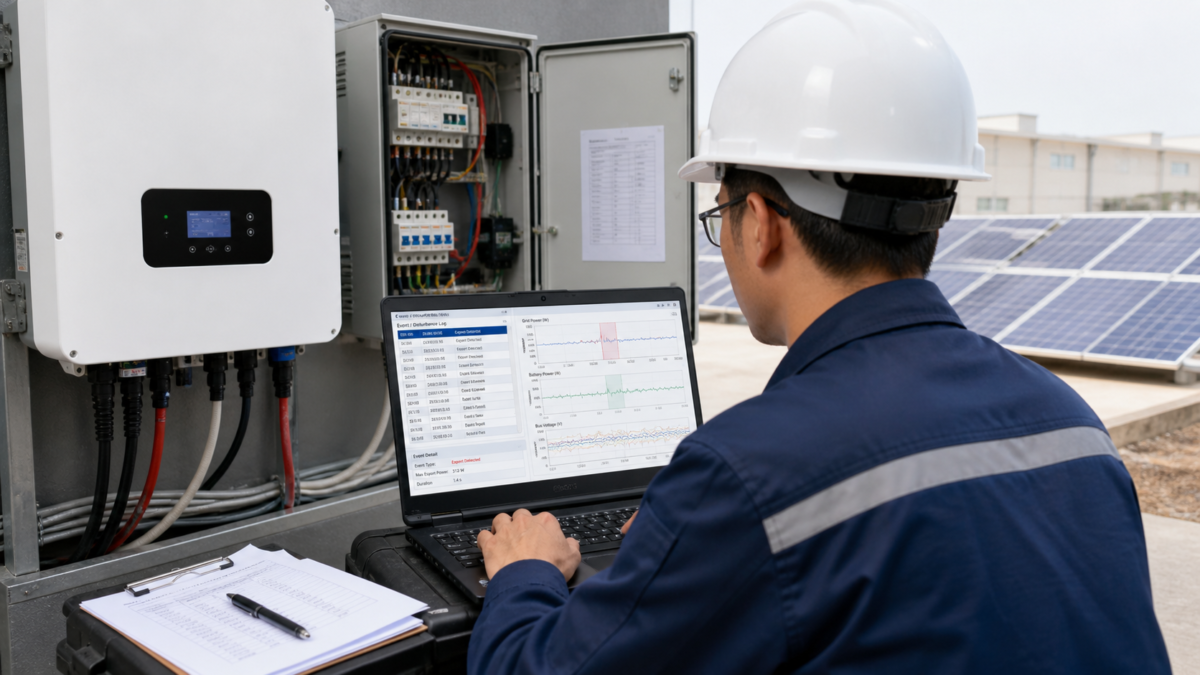
I would never sign off on a project without testing the design with real site inputs. Theory is one thing, but performance on a weak rural grid with voltage fluctuations is another. My focus is on the variables that can completely reverse an apparently obvious answer. These are grid quality, the phase arrangement, surge currents from motors, and the battery's charge/discharge limits. For example, if the battery can't absorb a sudden power surge fast enough, the inverter has no choice but to leak it to the grid or shut down. I would insist on an on-site test where we simulate a major load dropping off—like turning off a 5kW water heater—and watch the smart meter and the inverter's logs. I’d also perform a black-start test to confirm the system can reliably form its own grid without the utility's support. This isn't just about equipment selection; it's about proving the entire operating sequence works as intended under stress.
Balancing Cost, Reliability, and Compliance in Hybrid Inverter Zero Export?
You want a system that's 100% compliant and perfectly reliable, but you also have a budget. How do you find the right balance without overspending or cutting critical corners?
Balancing these three factors requires defining your "must-haves" versus your "nice-to-haves." A faster, more precise inverter costs more. A larger battery provides a better buffer but increases expense. True balance comes from matching the system's response time to your specific compliance risk.
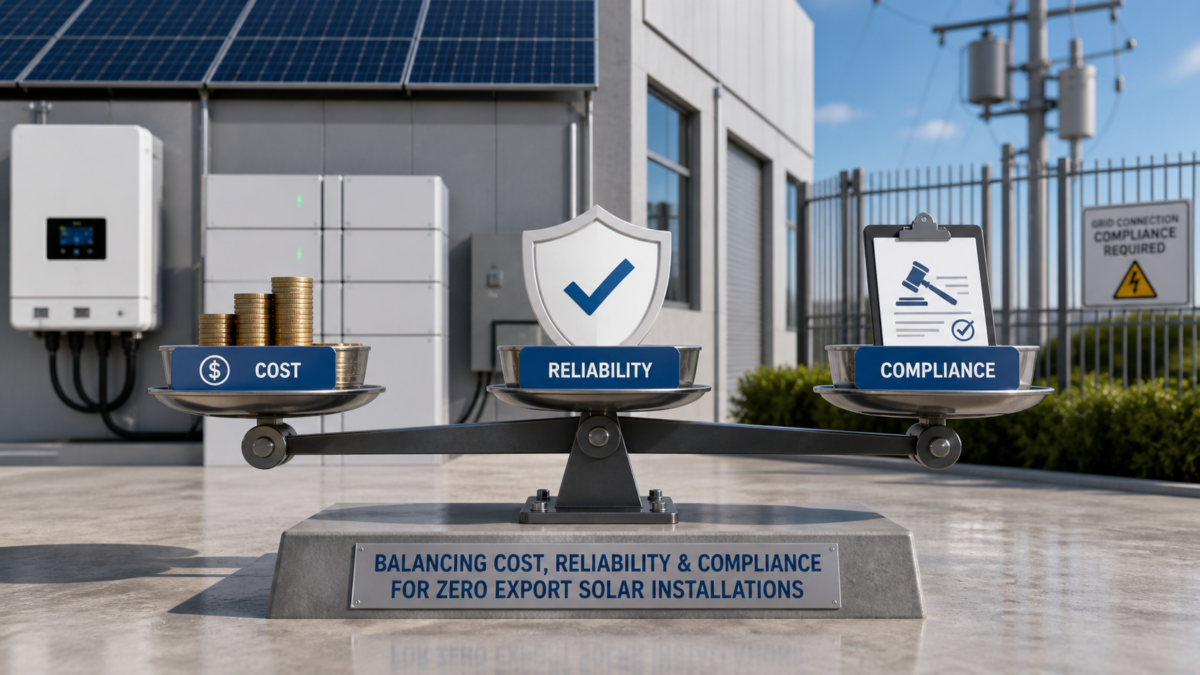
I often have conversations with clients about this exact triangle: cost, reliability, and compliance. You can pick any two, but getting all three requires smart design. If your utility imposes heavy fines for any export, then compliance is paramount. We might need to select a premium inverter with a faster response time and maybe slightly oversize the battery so it always has the capacity to absorb sudden solar surpluses. This adds cost but guarantees reliability and compliance. If the utility rules are more relaxed and only penalize sustained export, we can use a more standard inverter and focus on programming its control parameters correctly. This saves money but might allow for tiny, momentary exports. My job is to explain these trade-offs clearly. It’s not about selling the most expensive box; it’s about engineering a solution that manages the client’s specific risk within their budget.
What a Bankable Hybrid Inverter Zero Export Proposal Should Show?
You're looking at proposals, and they all promise "zero export." How do you tell the difference between a real engineering plan and a simple sales document with empty promises?
A bankable proposal must go beyond promises and provide evidence. It should include an operating mode table, a sample disturbance log, a source-state diagram showing power flow, and the specific procedure for a black-start test to prove its off-grid reliability.
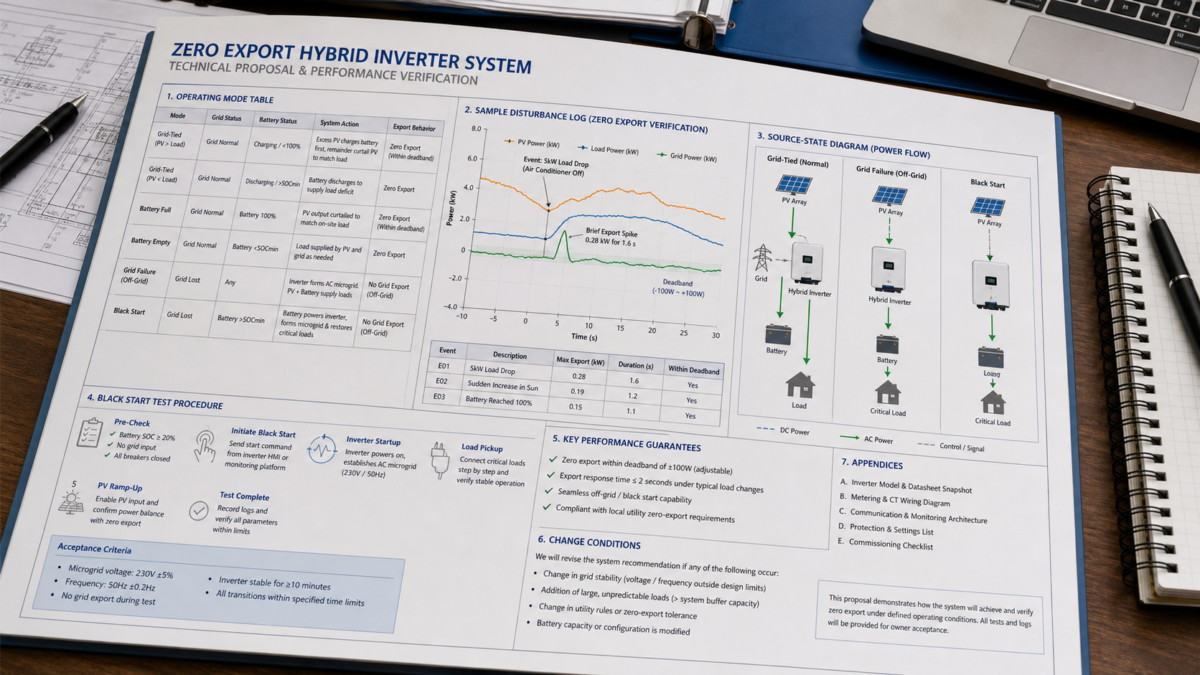
When I put together a proposal, it’s designed to be practical, credible, and useful for a technical buyer. I would use a specific model, like a Moletong single- or three-phase hybrid inverter, only as an example and map its performance to verified model limits, not marketing claims. My proposal would always include four key items. First, an operating-mode table that clearly defines what the system does when the grid is up, when the grid is down, when the battery is full, and when the battery is empty. Second, a sample disturbance log to show the client what data they can use to verify performance. Third, a source-state diagram illustrating how the system transitions between grid, solar, and battery power. Finally, I would include the exact steps for a black-start test. I would also clearly state the conditions under which I would change my recommendation, such as a change in grid stability or the addition of large, unpredictable loads. This keeps everyone on the same page and builds trust.
Conclusion
Most zero-export inverters do leak some power. The key is to understand why, test for it, and design a system that manages this reality to meet your specific goals.
Leave a Reply