

What Determines the Success of Lfp Battery Energy Storage Safety?
You hear that LFP chemistry is safe, but headlines about battery failures can be confusing. Relying on the "LFP" label alone is a risky bet for a major investment.
The success of LFP battery energy storage safety depends on model-specific evidence, not just the nameplate chemistry. Key factors include traceable manufacturing records, lifetime temperature history, C-rate, and cycle duty. Verifying these against your site conditions is essential for predictable performance.
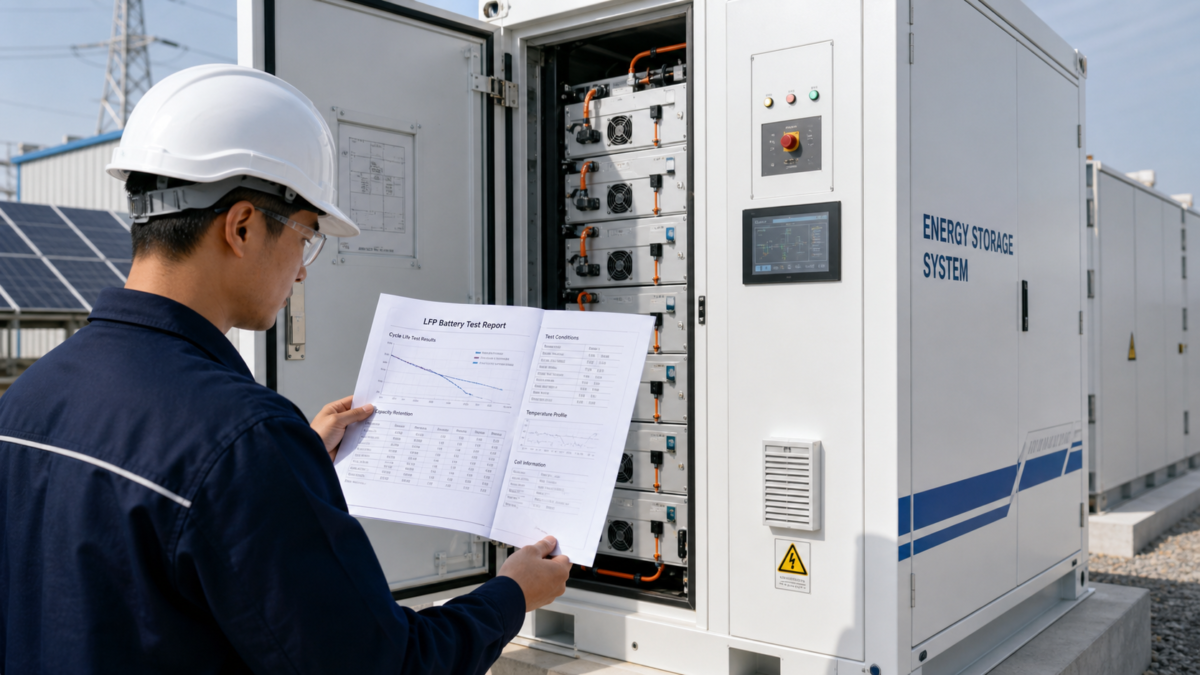
I've seen too many projects where the buyer assumed the letters "LFP" were a magic guarantee of safety and long life. But the real story is always in the operational data and the manufacturing details. Ignoring these facts can lead to unexpected degradation, underperformance, and safety risks that weren't priced into the project. Let's dig into why a business case for safety needs much more than just a three-letter acronym.
When Lfp Battery Energy Storage Safety Becomes a Business Case?
You want a safe battery system, but how do you connect that safety to your bottom line? A system that fails to meet compliance or resilience goals is a financial liability.
LFP battery safety becomes a business case when it directly supports a specific financial outcome. This could be guaranteeing uptime for resilience, meeting compliance standards to avoid fines, or ensuring capacity relief during peak demand. The goal defines the required safety and performance evidence.
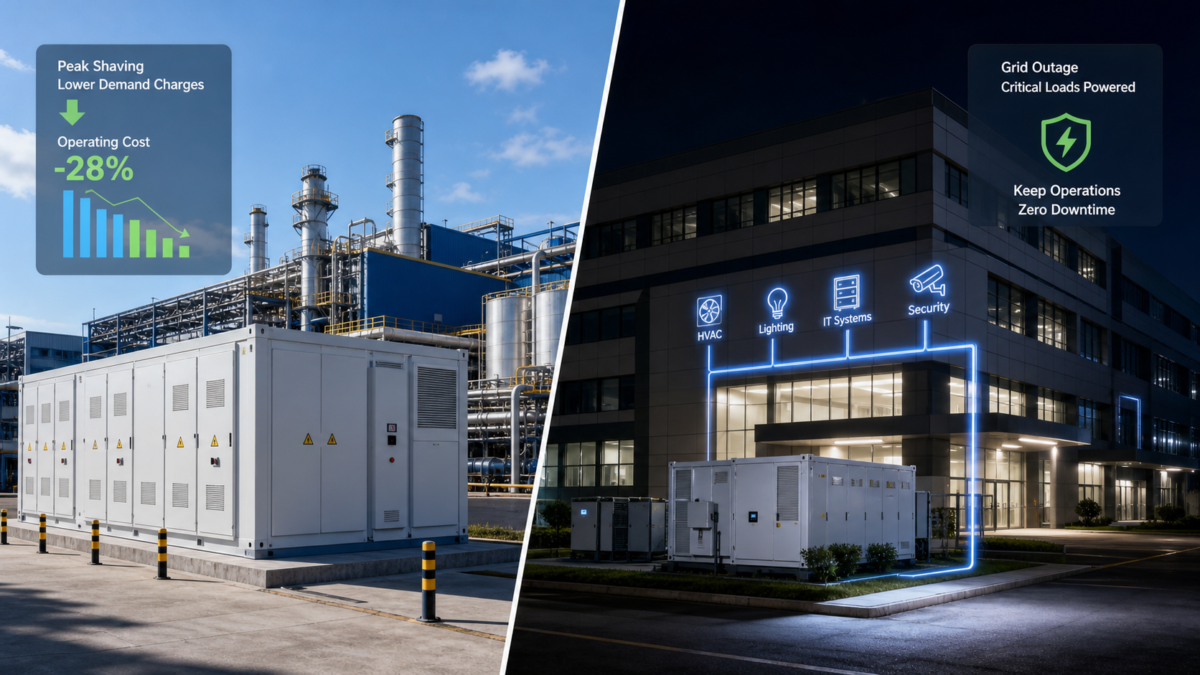
The first thing I do when evaluating a project is clarify what the buyer actually expects the battery to achieve. "Safety" is not a universal goal; it's a prerequisite for a specific business outcome. For example, a system designed for daily peak shaving has very different operational demands and failure consequences than one designed for emergency backup at a hospital. I find it helpful to break down the primary business cases and the type of safety and performance evidence each one requires.
Matching Safety Evidence to Your Goal
The evidence you need to see from a supplier like Moletong depends entirely on your primary goal. A marketing brochure isn't enough when your operations depend on the system's reliability.
| Business Case | Primary Goal | What Safety Performance Means | Key Evidence to Demand |
|---|---|---|---|
| Electricity Savings | Reduce costs through peak shaving and valley filling. | The system operates reliably every day without premature degradation eating into savings. | Long-term cycle life data under your expected daily C-rate and temperature profile. |
| Resilience | Provide backup power during grid outages. | The system is guaranteed to be available and perform at full capacity when an outage occurs. | Standby performance data, state-of-health monitoring accuracy, and fast-start test reports. |
| Capacity Relief | Avoid costly transformer or grid upgrades by managing peak demand. | The system reliably discharges at high power during the few peak hours it’s needed most. | High C-rate discharge performance, especially at higher temperatures. |
| Compliance | Meet regulatory or insurance requirements. | The system passes all required certifications and tests, like UL9540A. | Complete, unredacted third-party test reports, not just the cover-page certificate. |
Which Lfp Battery Energy Storage Safety Inputs Deserve the Most Scrutiny?
The spec sheet is filled with data, but focusing on the wrong numbers can hide critical risks. I always tell my clients to look past the marketing claims and focus on the inputs.
The most critical inputs for LFP battery safety are traceability, temperature history, C-rate, and cycle duty. These four data points reveal the battery's manufacturing quality and how its past and future usage will impact its long-term stability and performance.
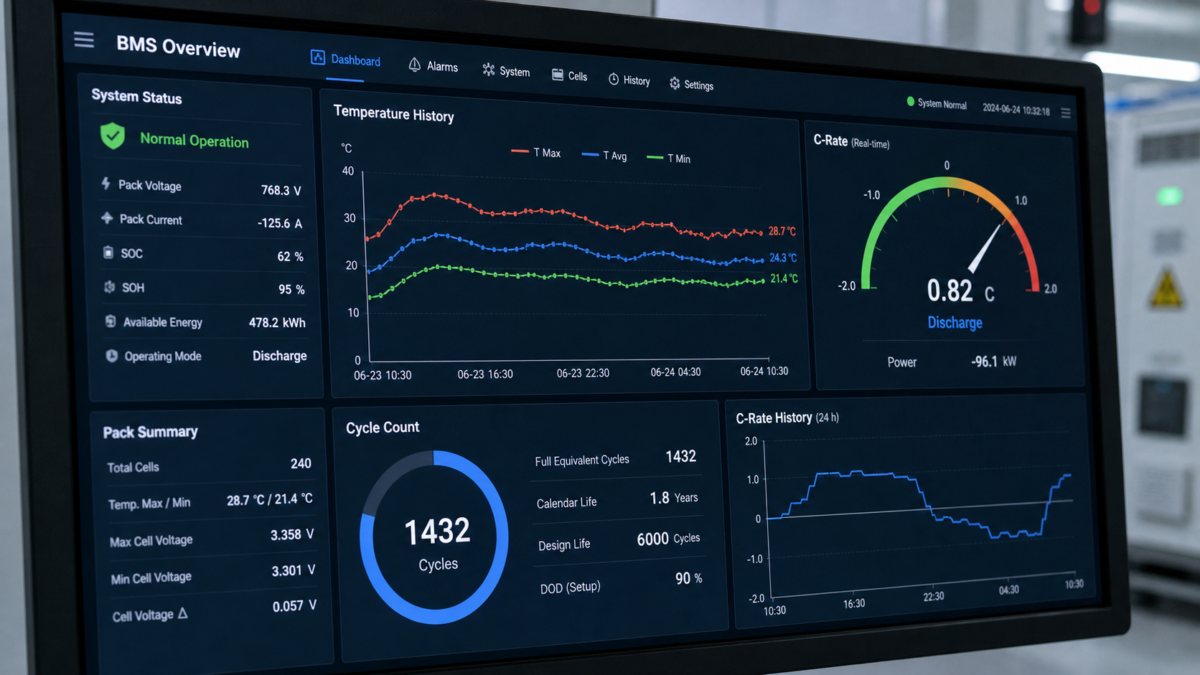
After a few hard lessons early in my career, I developed a simple checklist of four inputs that I always scrutinize before making a recommendation. These aren't the big numbers you see in advertisements, but they tell you the true story of how a battery will perform and age over its lifetime. Think of it as looking at the battery's birth certificate and its medical history, not just its resume. A manufacturer should be able to provide this information for a specific model. For instance, if I were evaluating a Moletong semi-solid battery, I would treat their data as specific to that product line, not as a blanket claim for all batteries. I would ask for the traceability of their cells, the temperature limits tested, the C-rates validated in cycle tests, and the depth of discharge used to generate their degradation curves. These four inputs are non-negotiable for a serious safety and performance assessment.
How to Stress-Test Lfp Battery Energy Storage Safety Performance?
A positive test report looks great, but does that lab test match your real-world conditions? A mismatch could mean unexpected failure, and I've seen it happen.
Stress-test LFP safety performance by comparing supplier test data against a realistic downside case for your specific site. This involves mapping test report conditions—like temperature, C-rate, and cycle depth—to your project's expected operational extremes, not just its average conditions.
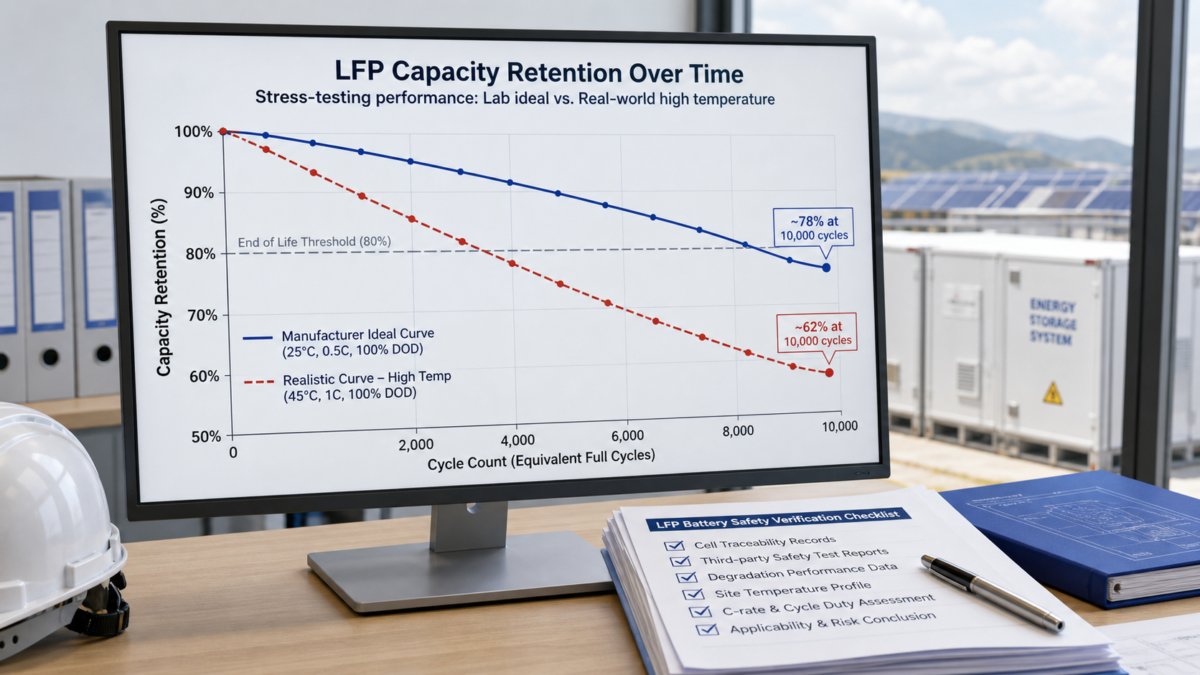
I never take a single positive test result as a universal promise. Instead, I create what I call a "test-report applicability table." It's a simple tool to see if the manufacturer's promises hold up under the pressure of my project's reality. The goal isn't to find a test that perfectly matches my site conditions—that rarely exists. The goal is to understand the gap between the test environment and my operating environment. For example, a battery's degradation curve might look fantastic based on a test conducted at a constant 25°C. But if my system will be housed in a container in a desert climate where ambient temperatures hit 45°C, that beautiful curve is irrelevant. I need to ask the supplier for performance data at higher temperatures or derate their performance claims significantly to account for the added thermal stress. This "downside case" analysis is the only way to build a realistic financial model and avoid costly surprises down the road.
A Buyer-Focused Lfp Battery Energy Storage Safety Verification Plan?
You need to be absolutely sure about your multimillion-dollar energy storage investment. Without a clear plan, the verification process can feel overwhelming, and it's easy to miss something critical.
A buyer-focused verification plan starts by defining the business goal. Then, request model-specific evidence, including traceability records, third-party test reports, and degradation curves. Finally, compare this data against your site's specific operating conditions to assess applicability and risk.

To cut through the noise, I use a straightforward, four-step verification plan that puts the buyer in control. This isn't about becoming a battery scientist overnight; it's about asking the right questions and demanding the right evidence to protect your investment.
First, I write down the single most important business case from the table in the first section. Is it savings, resilience, capacity, or compliance? This becomes the lens through which all data is viewed.
Second, I request a specific set of documents: cell traceability records to confirm manufacturing consistency, full and unredacted third-party safety test reports (like UL 9540A), and lifetime performance data showing degradation under various temperature and C-rate conditions.
Third, I perform the "downside case" analysis we just discussed, mapping the test data to my site's toughest conditions.
Finally, I assess the gaps. If the data from the supplier doesn't cover my operating conditions, I can either ask for more relevant data, build in a larger performance buffer, or conclude that the product is not the right fit for my project's risk profile.
Conclusion
To ensure LFP battery safety, you must look beyond the chemistry label. Demand model-specific evidence, compare it to your site's reality, and never let one good example become a universal promise.

Leave a Reply