

What Determines the Success of OCPP Charger BESS EMS?
Your site needs more EV charging power, but the grid can't deliver. Adding a battery seems like the answer, but will it actually work and save you money?
The success of an OCPP charger BESS EMS depends on defining the buyer's outcome and testing the design against real site constraints. I focus on concurrency, transformer headroom, and tariffs, because these variables determine if battery buffering is truly justified and profitable for your specific charging sessions.
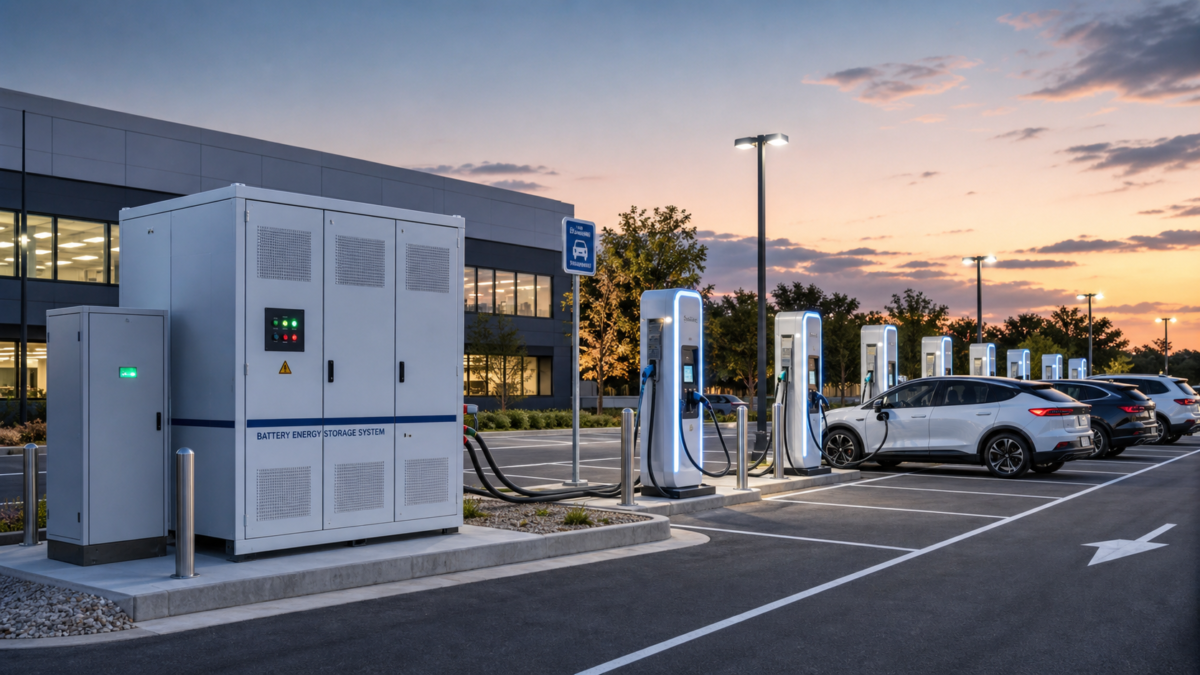
It seems simple on paper, but the details can make or break a project. I've learned that you can't just throw hardware at the problem. You need to dig deeper into how the system will actually be used. My approach is simple. I define the buyer's required outcome. I identify the constraint that can defeat it. Then I test the design with real site inputs. Let’s break down my approach, starting with the most important part: the customer’s problem.
Start with the OCPP Charger BESS EMS Customer Problem, Not the Product?
Buying a BESS without defining the problem is a recipe for wasted investment. You end up with a system that doesn't solve your core issue, like peak demand charges.
Start by defining the required outcome. Is it avoiding demand charges, enabling more chargers than the grid allows, or something else? This outcome dictates the entire system design, from battery size to control logic. Everything flows from the problem you need to solve.
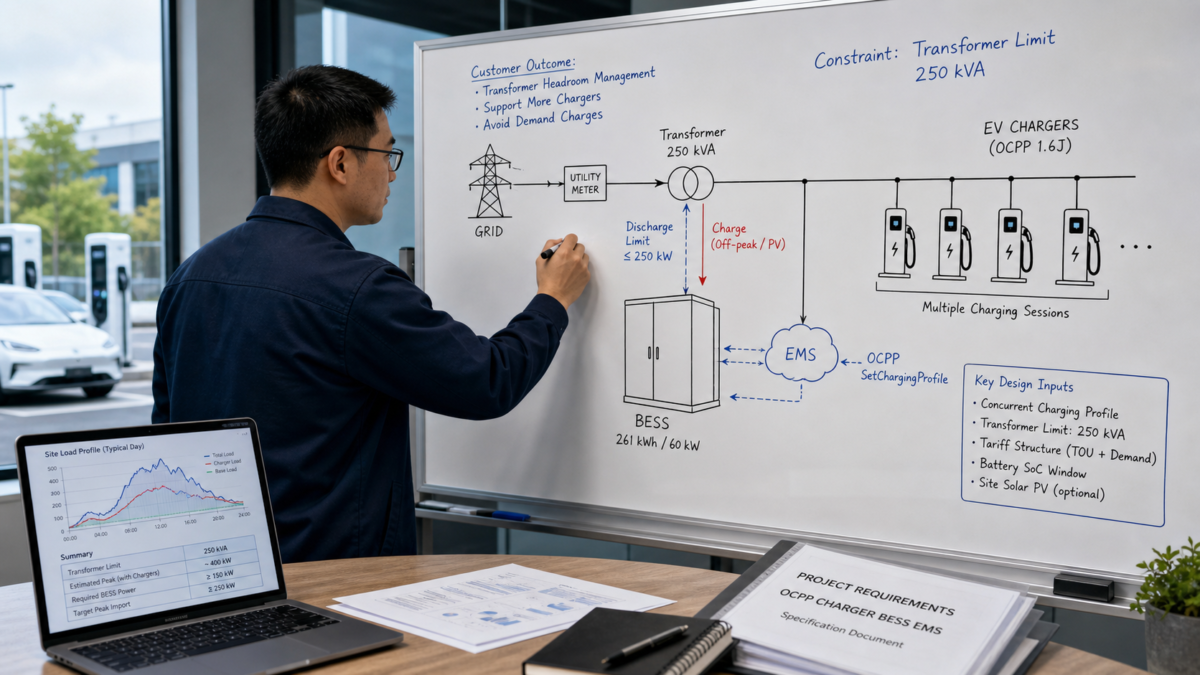
I always begin by asking what the client wants to achieve. The hardware is the last part of the conversation, not the first. I once worked on a project where the client bought a large battery, thinking it would solve all their power issues. But their real problem wasn't general peak shaving. It was a very specific transformer headroom limit that was being breached for only a few minutes a day. The battery was oversized for the actual constraint. We had to completely rework the control strategy to make it financially viable. This experience taught me to map every project back to a clear, documented problem. I now use a simple table to force this conversation. It connects the customer's pain point to a specific system function and a metric for success. This prevents us from designing a solution for the wrong problem.
Defining Outcomes Before Specifying Hardware
| Customer Problem | Required BESS/EMS Function | Key Success Metric |
|---|---|---|
| High monthly demand charges | Peak Shaving | kW reduction during peak utility hours |
| Transformer at capacity limit | Transformer Headroom Management | Grid import power stays below limit (e.g., 250 kVA) |
| Want more chargers than grid allows | Power Buffering | Number of concurrent charging sessions supported |
| Have excess solar PV generation | PV Self-Consumption / Arbitrage | kWh of stored solar energy used for charging |
How Concurrency Shapes the OCPP Charger BESS EMS Design?
You install ten chargers, but what if they are all used at once? Your system could overload, tripping the main breaker and angering customers. This is the concurrency problem.
Concurrency, or how many cars charge simultaneously, dictates the peak power your system must handle. A high concurrency rate requires a larger battery power output (kW) and smarter energy management (EMS) to buffer the load and protect the grid connection. It's the most critical design input.
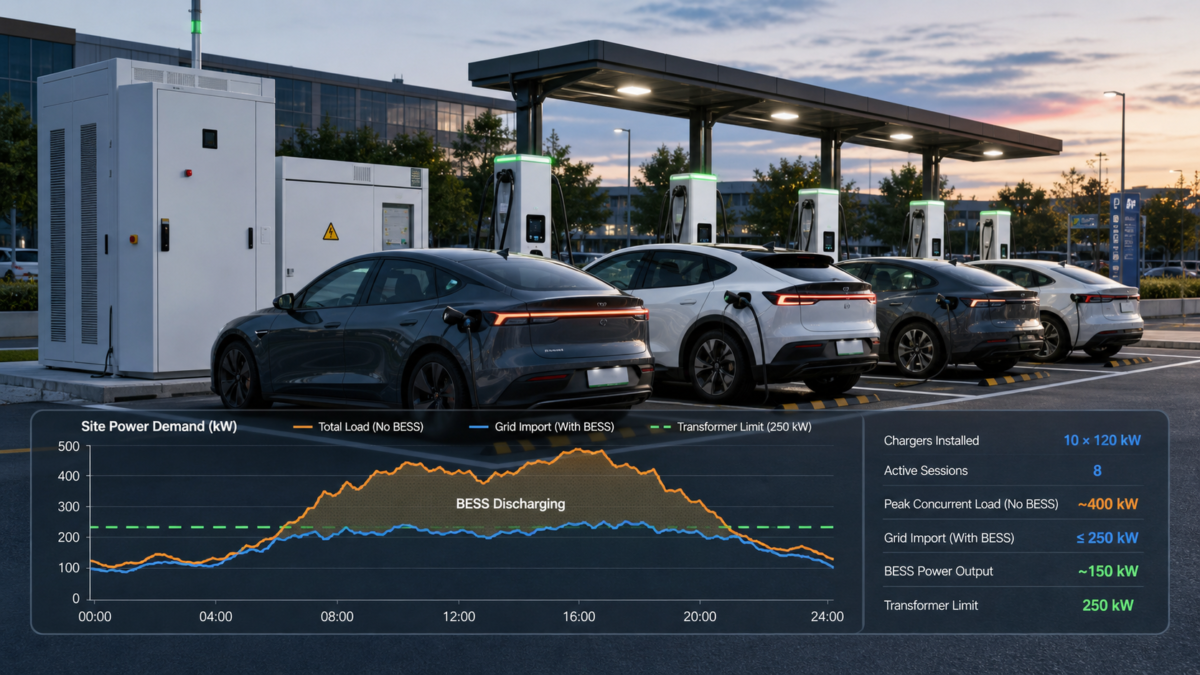
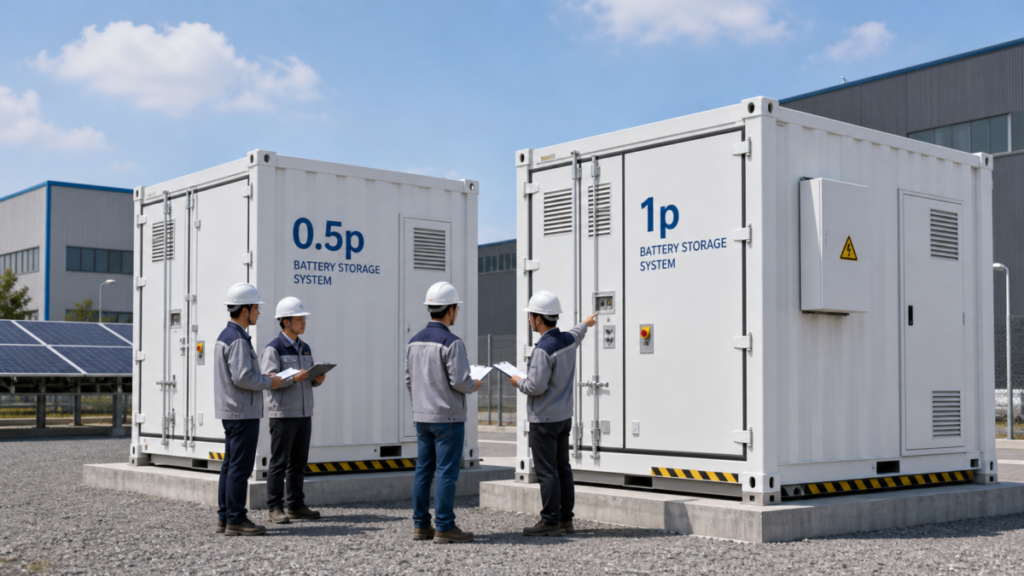
Concurrency is the great unknown in EV charging. You might have ten 120 kW chargers, giving a theoretical peak load of 1.2 MW. But this almost never happens in reality. The actual peak demand is driven by how many drivers plug in at the same time. This is why I insist on analyzing real session data from similar sites if it's available. If not, we have to make an educated assumption. For example, a workplace charging site might see a huge peak at 9 AM. A public fast-charging hub might see peaks around lunchtime and 5 PM. Understanding this profile is everything. If your transformer limit is 250 kW and you expect a realistic peak concurrent load of 400 kW from your chargers, you need the BESS to supply at least 150 kW of power. In this case, a single Moletong 627 kWh / 120 kW storage-charging system would not have enough power output. The EMS would need to either use a bigger battery system or actively curtail charging sessions. This shows how concurrency directly sizes the BESS power rating (the kW) and defines the control logic.
When Tariff Changes the Economics?
You've designed a perfect peak-shaving system. Then the utility changes its tariff structure. Suddenly your beautiful system is losing money every day, and your project looks like a failure.
Tariff structures directly control the financial viability of a BESS. A change from a simple flat rate to a time-of-use or high demand charge model can make a battery essential. I always run a utilization sensitivity analysis to see how tariff changes affect the payback period.
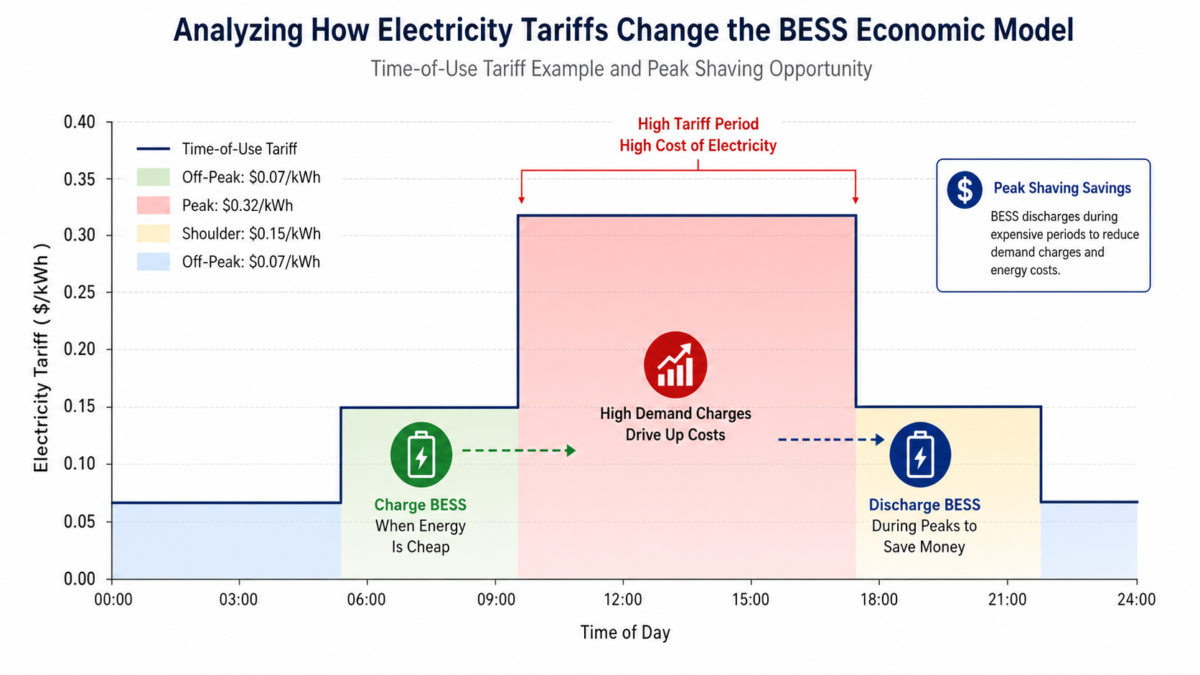
The business case for a BESS often lives or dies with the electricity tariff. I learned this the hard way. A client was on a flat-rate tariff, and a battery made absolutely no sense for them. We shelved the project. Six months later, their utility introduced a new commercial tariff with a $20/kW demand charge during peak afternoon hours. I immediately called the client back. We re-ran the numbers. Our proposed Moletong 261 kWh / 60 kW system could reliably shave 60 kW off their peak load. That simple change saved them $1,200 a month on their utility bill. The project went from a definite 'no' to an immediate 'yes'. This is why the first document I ask for is the utility bill. The game is to charge the battery when electricity is cheap (off-peak or from free solar) and discharge it when it's expensive. This can be to sell back to the grid, offset high time-of-use rates, or, most commonly, to avoid a massive demand charge. Without a financial incentive from the tariff, the battery is just a very expensive backup power unit.
Turning OCPP Charger BESS EMS into Clear Specifications?
You have a great idea, but how do you tell your supplier exactly what you need? Vague requirements lead to systems that don't communicate or perform as expected in the real world.
Turn your analysis into a clear specification document. This must include the control sequence, OCPP/EMS interface requirements, and performance tests. It should define how the BESS, chargers, and EMS talk to each other to manage power, priorities, and constraints like transformer headroom.
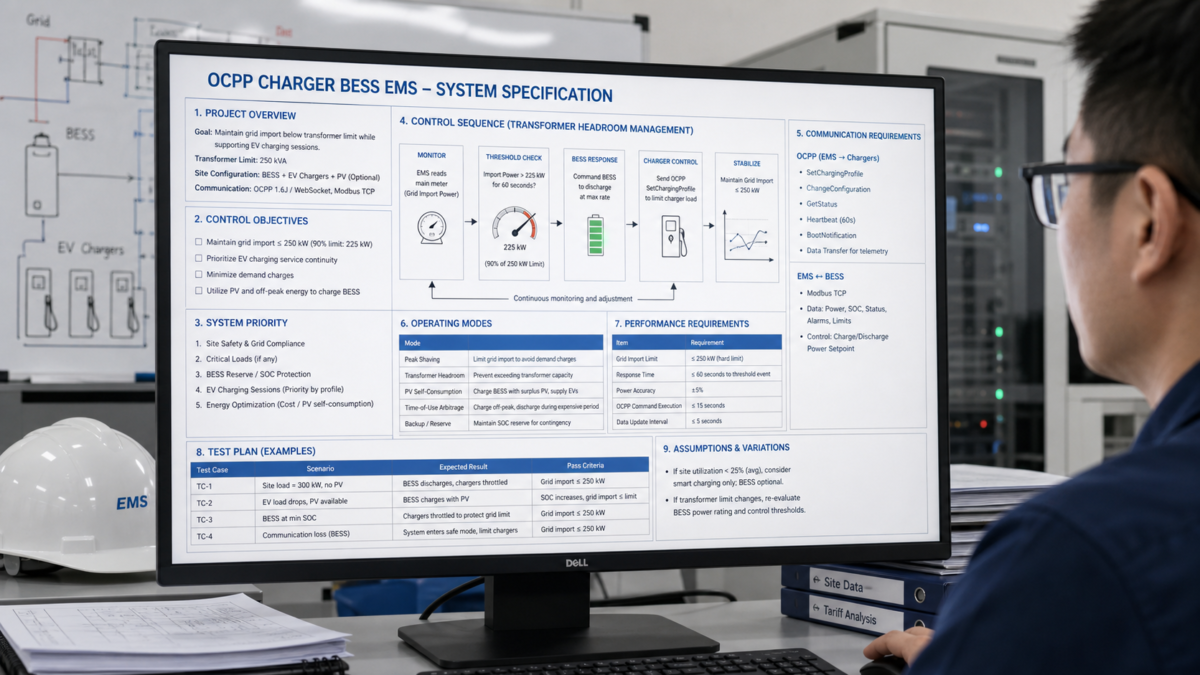
After the analysis is done, I turn it into a practical, actionable document. This is where many projects fail. An idea is not a specification. My spec sheet leaves no room for interpretation. It details the exact control sequence. For example: "The EMS shall monitor the site's main utility meter. If the grid import power exceeds 225 kW (90% of a 250 kW limit) for more than 60 seconds, the EMS shall command the BESS to discharge at its maximum rate. Simultaneously, the EMS shall send OCPP SetChargingProfile messages to all active chargers to limit their combined load." This level of detail is critical. I also define the OCPP and EMS test plan. For instance: "Test Case 1: Simulate a 300 kW site load. Verify the BESS discharges and the chargers are throttled to keep the grid import below 250 kW." This process turns a concept into a buildable, testable system. It also includes the conditions under which I would change the recommendation. If site utilization is projected to be very low, I might recommend only smart charging controls first, with a BESS to be added later.
Conclusion
Successful OCPP charger BESS projects are not about hardware. They come from defining the outcome, analyzing real-world constraints like concurrency, and testing a clear, data-driven design.

Leave a Reply