

Battery Backup vs. Generator: Which Is the Better Fit?
The power goes out, and you're left in the dark. You need a reliable backup source, but the choices seem complicated. You just want to keep your lights on.
The better fit depends entirely on your specific needs. A generator offers long runtime if you can refuel it, while a battery backup provides silent, instant power. When combined with solar, a battery becomes a sustainable, long-term solution by recharging daily during an extended outage.
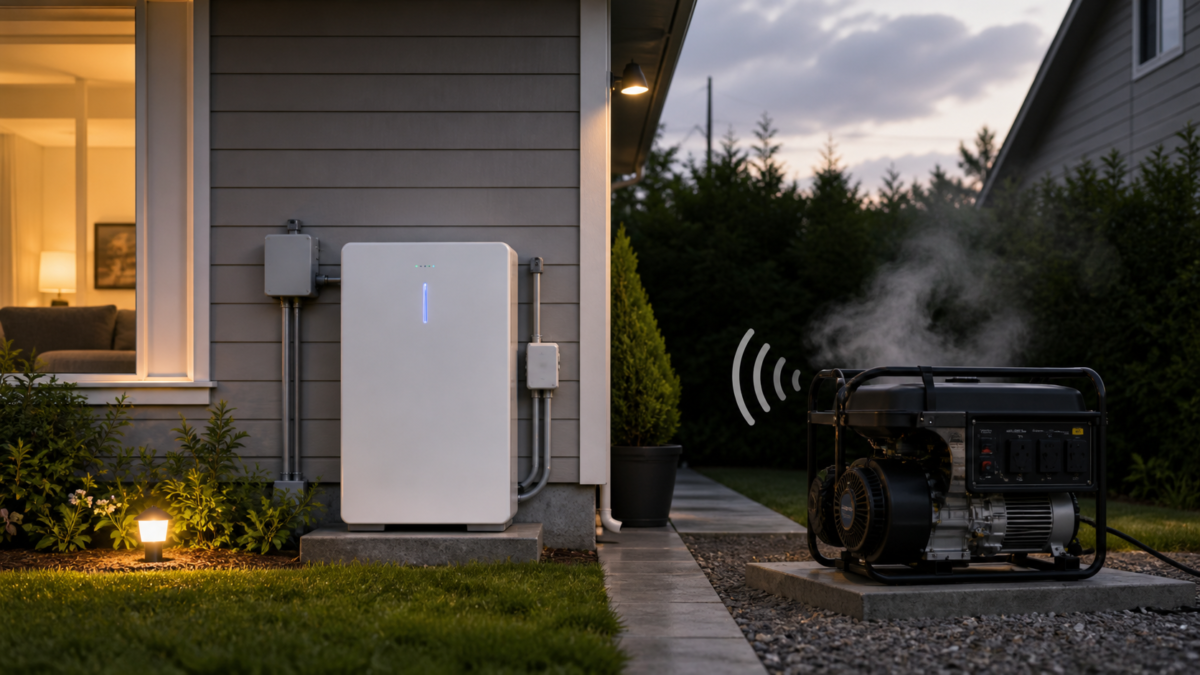
Choosing between these two isn't about picking the "best" technology. It's about understanding which one solves your specific problem. The answer often seems obvious at first, but the real-world performance can be surprising. To make the right call, we need to look past the spec sheets and think about how these systems actually operate when you need them most. Let's dig into the details that truly matter.
The Operational Reality Behind Battery Backup vs. Generator?
You bought a backup system based on its advertised capacity. But when an outage hits, it fails to run your essential appliances. The numbers looked good, but the reality is different.
The operational reality is that runtime isn't just about battery kWh or fuel tank size. It's determined by your actual measured loads, heavy motor startup surges, and which circuits you power. A generator might handle surges better, while a battery offers seamless, silent power.
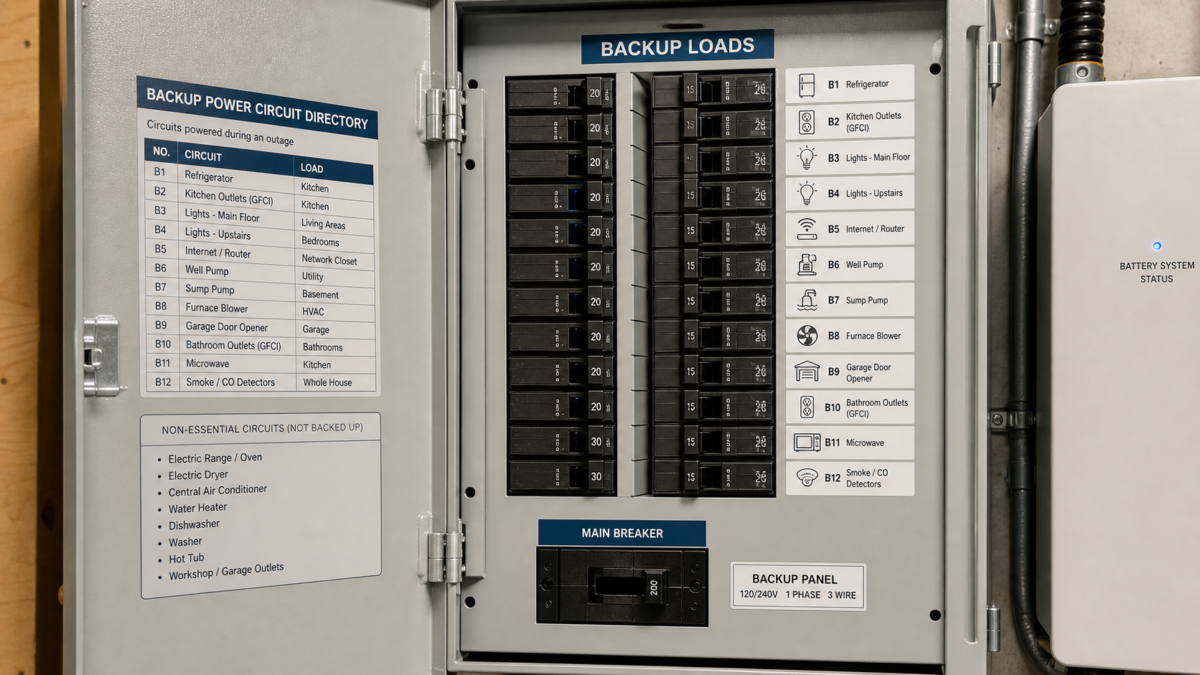
My approach to this is simple. First, I define the outcome the buyer needs. Then, I identify the constraints that could defeat that outcome. Finally, I test the design with real site information. True runtime comes from measured loads and your operating choices, not just the battery's kWh rating. For example, a well pump or an air conditioner has a massive startup surge that can trip a system that looks perfectly sized on paper. I focus on these real-world variables because they can completely reverse what seems like an obvious answer. A simple comparison shows how different these systems are in practice.
| Feature | Battery Backup | Generator |
|---|---|---|
| Startup Time | Instantaneous (milliseconds) | 10-30 seconds (or manual start) |
| Noise Level | Nearly silent | Loud (like a lawnmower) |
| Fuel/Recharge | Grid or solar recharge | Requires stored fuel (gas, propane) |
| Maintenance | Minimal | Regular (oil changes, fuel stabilization) |
| Surge Handling | Depends on inverter specs | Generally high surge capacity |
Why Solar Recharge Changes the Design?
Your battery gets you through the first night of a long outage, but then it's empty. Now what? You're back in the dark, wishing you had an endless power source.
Solar recharge transforms a battery from a limited-runtime device into a potentially indefinite power source. During a multi-day outage, solar panels can refill the battery daily. This allows you to run essential loads continuously, a capability a generator can't match without constant refueling.
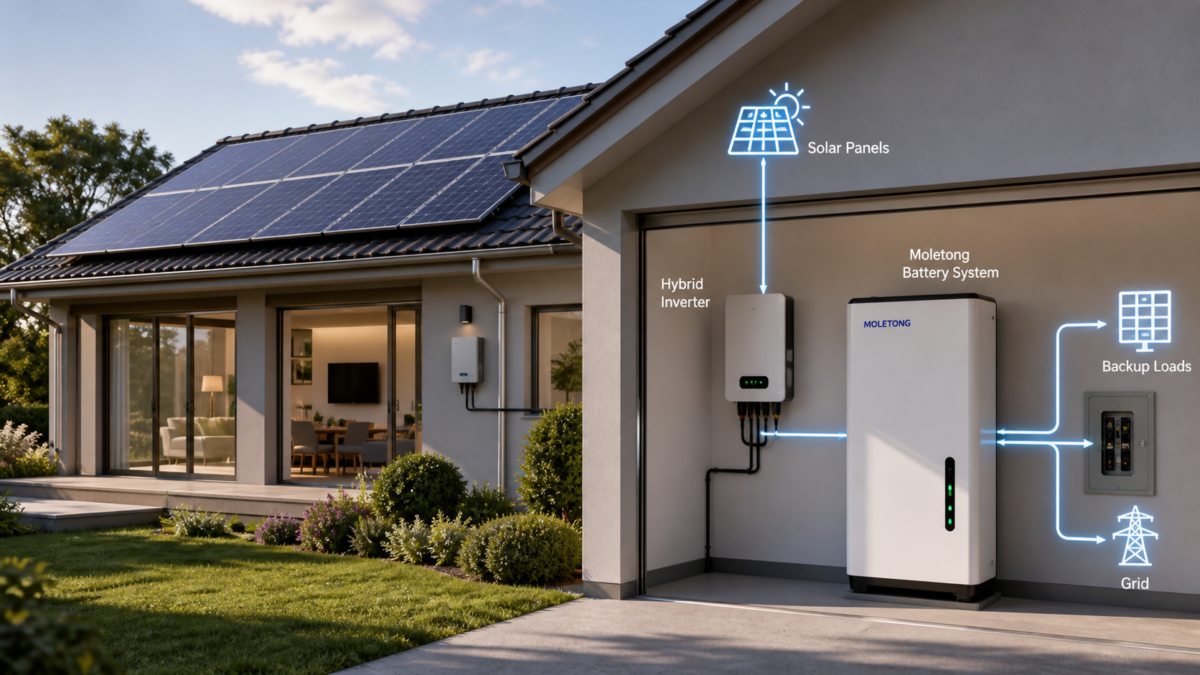
When you add solar, the entire design conversation changes. It's no longer just about the battery's storage capacity. It's about your home's daily energy balance. The key question becomes: can my solar panels generate more power during the day than my essential loads consume over 24 hours? If the answer is yes, you can potentially ride out a very long outage. This is why I always create an outage timeline. We calculate the energy needed to get through the night and then estimate how much solar energy we can produce the next day. This is also why I insist on a homeowner load-shedding drill. You need to know what to turn off to ensure the battery makes it to sunrise. For example, using a Moletong 16 kWh residential battery, we wouldn't promise a universal runtime. Instead, we'd model it: "With this battery, if you only run the fridge, some lights, and the internet router, you will use X kWh overnight, and your solar system can recharge that plus more the next day."
How Do You Balance Performance, Safety, and Serviceability in a Home Battery Backup Reserve Setting?
You want maximum backup time, so you set your battery reserve to 100%. But this can wear out the battery faster and means you get no daily bill savings from your solar.
Balancing these factors means setting a reserve State of Charge (SOC) that meets your emergency needs without harming battery health. A high reserve gives more backup but reduces daily savings. A low reserve maximizes savings but offers less protection when an outage hits.
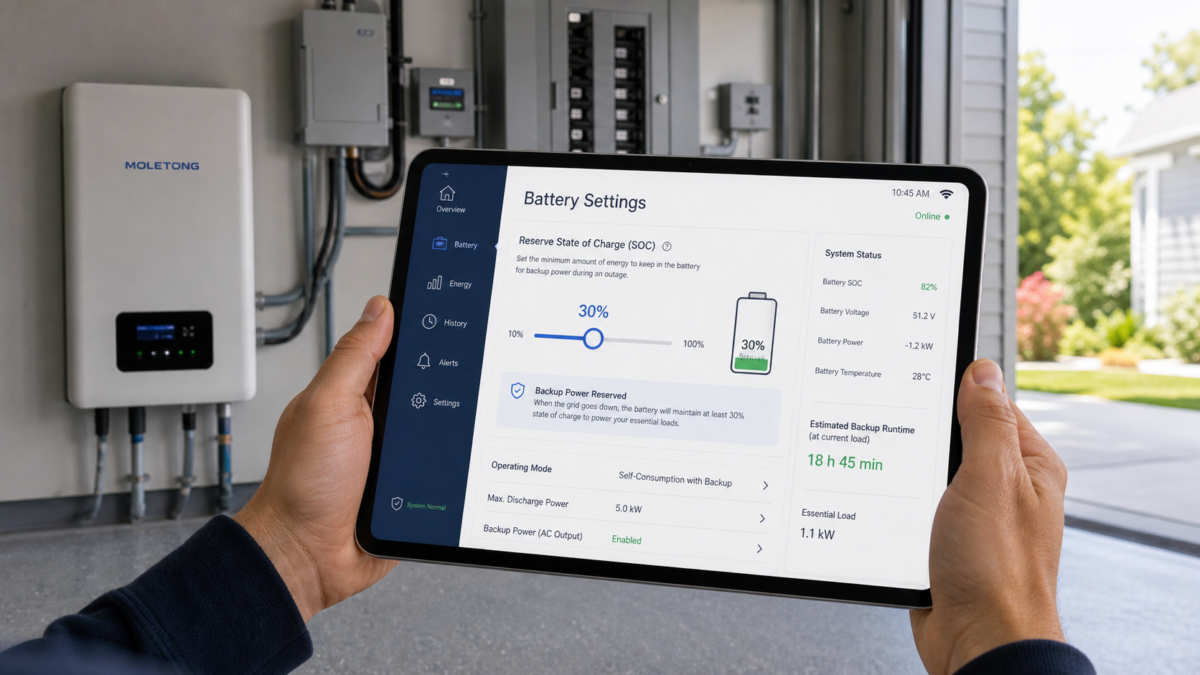
The "reserve setting," or minimum State of Charge (SOC), is the percentage of your battery you fence off exclusively for blackouts. I see it as a critical balancing act. If you set it to 80%, you have a lot of power ready for an outage, but you can only use 20% of your battery each day for saving money on your electricity bill. If you set it to 20%, you maximize your daily savings by using 80% of the battery's capacity, but you have much less power available when the grid goes down. My recommendation always comes back to the homeowner's required outcome. If they want to survive a 24-hour outage, we calculate the loads for that period and set the reserve to match. This setting also impacts battery health. Keeping a battery at 100% charge all the time can degrade it faster. A balanced setting ensures reliable performance, long-term safety, and makes it easier for technicians to service the system when needed.
What to Confirm for Home Battery Backup Reserve Setting at Design Review and Handover?
Your new system is installed, but you don't really know how it's configured. The installer leaves, and you're left guessing about what to do during an actual emergency.
At the design review, you must confirm the load inventory, the specific circuits being backed up, and the calculated runtime. At handover, the installer should demonstrate the system, explain the reserve setting, and walk you through a practice load-shedding drill so you feel confident.
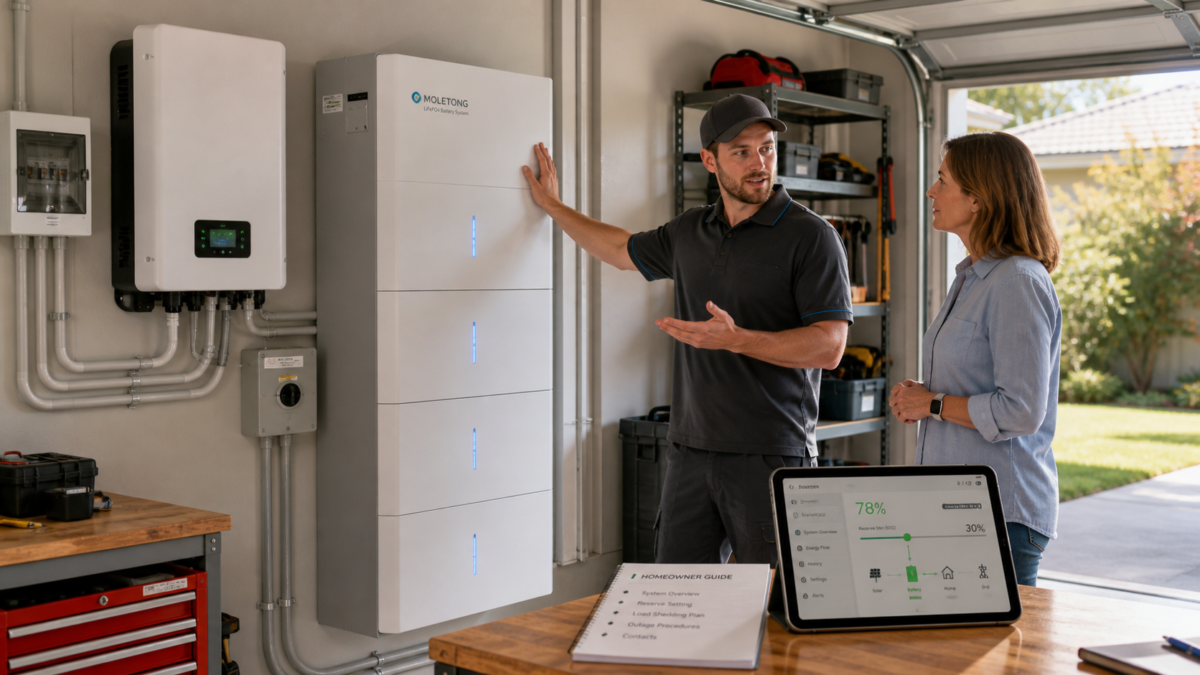
To make sure a project is practical and credible, I split the confirmation into two key stages. First is the design review, before anything is installed. Here, we must confirm a detailed load inventory. What exact appliances will be on backup? We need to see a startup trace for any large motors, like a well pump, to ensure the inverter can handle the surge. And the circuit schedule must be crystal clear about which breakers are on the backup panel. The second stage is the handover, after the installation is complete. This is where the theory becomes reality. I would simulate an outage timeline with the homeowner. I'd also run them through a load-shedding drill, having them physically turn off non-essential breakers. Finally, I would define the conditions under which I would recommend changing the settings. For example, "If you know a major storm is coming, let's increase the reserve from 30% to 80% for the next few days." This process ensures the homeowner truly understands their system and can use it effectively.
Conclusion
The best backup system isn't just a battery or a generator. It's a well-designed solution based on your real loads, recharge capability, and a clear, practical plan for outages.

Leave a Reply