

OEM vs Branded Battery Storage: A Practical Design and Procurement Guide?
Choosing between an OEM and a branded battery system feels like a huge gamble. You're worried about quality, support, and making a mistake that will cost you down the road.
The best choice isn't about the hardware alone. It's about lifecycle support. I always start by defining the Service Level Agreement (SLA), support territory, and training needs. This approach quickly shows which partner, whether OEM or branded, can actually deliver the outcome you need.
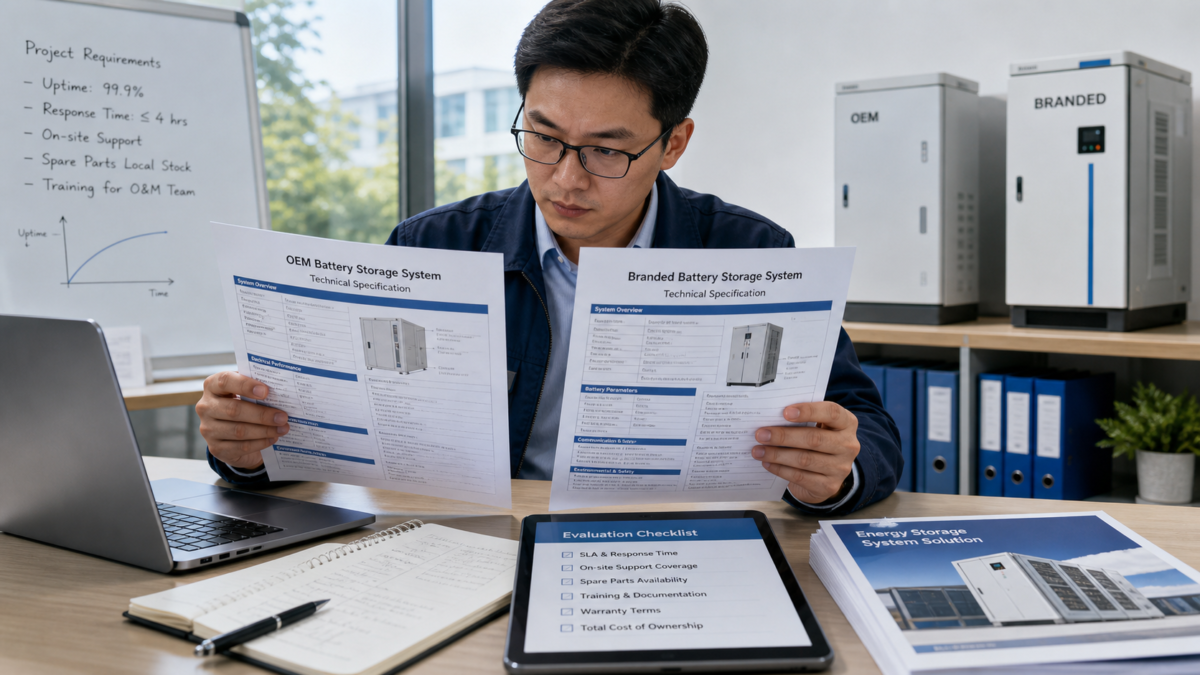
I've seen so many projects get stuck on this question. People spend weeks comparing data sheets. But they are asking the wrong first question. The brand name on the box is less important than the support structure behind it. If you flip the conversation and start with the service outcome you need, the choice becomes much simpler. Let's break down how I do this.
What Buyers Often Misunderstand About OEM vs Branded Battery Storage?
You think a famous brand guarantees great support, or an OEM automatically means a lower price. These assumptions are dangerous and can lead to expensive project failures and delays.
The biggest misunderstanding is that a brand name equals a specific support level. In my experience, a great OEM with a clear, contracted support plan in your region can be far better than a big brand with a weak local service partner. The label matters less than the contract.
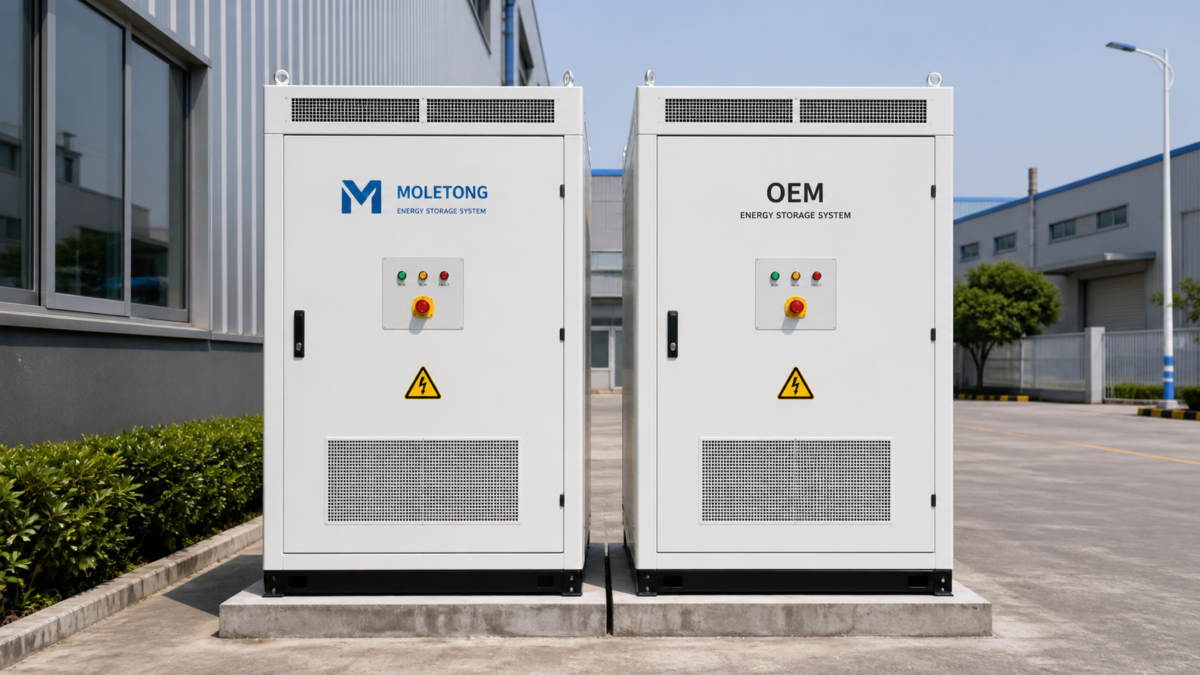
The debate often gets stuck on assumptions that don't hold up in the real world. I once worked with a client who paid a premium for a top-tier brand, only to find out their local service partner was a single person covering three states. The response time was terrible. On the other hand, I've used OEM products where the contract included direct access to factory engineers and a local stock of spare parts. The "no-name" product had far superior support. To make a good decision, you have to separate the marketing story from the operational reality. The only way to do that is to look at the details of the support structure.
Key Assumptions vs. Practical Reality
| Common Assumption | Practical Reality I’ve Seen |
|---|---|
| Branded means better quality. | Not always. Many brands use the exact same OEM components. The brand’s value is in their quality control process and integrated system testing, which you must verify. |
| OEM is always cheaper. | The hardware might be, but the total cost of ownership could be higher if you have to manage integration, support, and spare parts yourself. You have to factor in your own team’s time. |
| A big brand has support everywhere. | Their support is only as good as their local partner. You must qualify the specific technicians in your service area, not just the brand’s global headquarters. |
| OEMs offer no support. | This is a myth. Many OEMs, like us at Moletong, build their business on providing technical coordination, training, and contracted after-sales service directly to qualified partners. |
Sizing Around SLA and Lead Qualification?
You are sizing a battery system based on kWh and kW. But what happens when it goes down? If your support agreement doesn't match your operational needs, the system is worthless.
You have to size the support, not just the hardware. First, define your required uptime, service response time, and spare parts availability. This is your Service Level Agreement (SLA). Use this SLA to qualify which suppliers, OEM or branded, can meet your minimum needs.
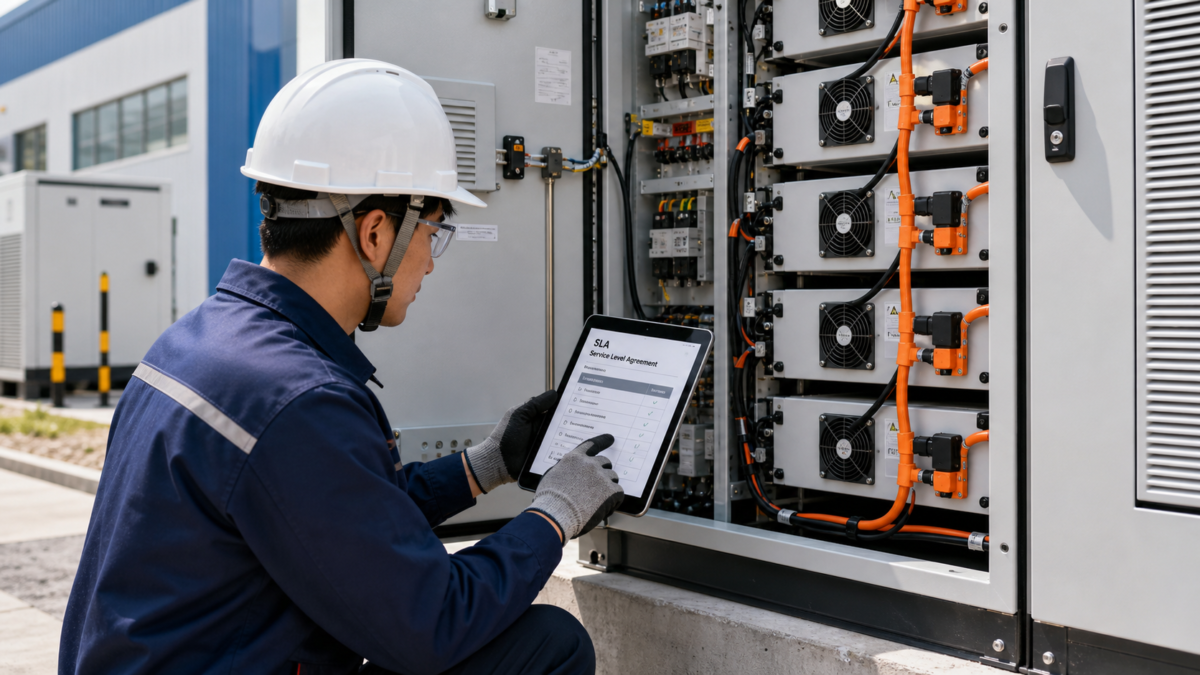
I never start a design conversation with a product recommendation. I start with questions about the real-world outcome the buyer needs. How much money do you lose for every hour of downtime? That tells me how fast a technician needs to be on-site. Who on your team will be the first responder? That tells me what level of training they need. Where is the project located? That tells me about territory and logistics for spare parts. This process makes it easier to spot an unrealistic expectation early on. For example, if a client needs a four-hour response time in a remote area, that immediately limits the pool of qualified suppliers. By defining the SLA first, you create a filter. You can then give that filter to both OEM and branded suppliers and see who can actually meet the requirements in a signed contract. This turns a vague decision into a clear, evidence-based choice.
The Failure Mode Hidden in Demo Assets?
You just saw a perfect demo of a battery system at a trade show. It was sleek and worked flawlessly. But you didn't see the support structure, because it often disappears after the sale.
The hidden failure mode is the gap between a perfect demo and real-world lifecycle support. A demo only proves the hardware can work. It doesn't prove you'll get help when it doesn't. You should ask the salesperson to demo their support process, not just the product.
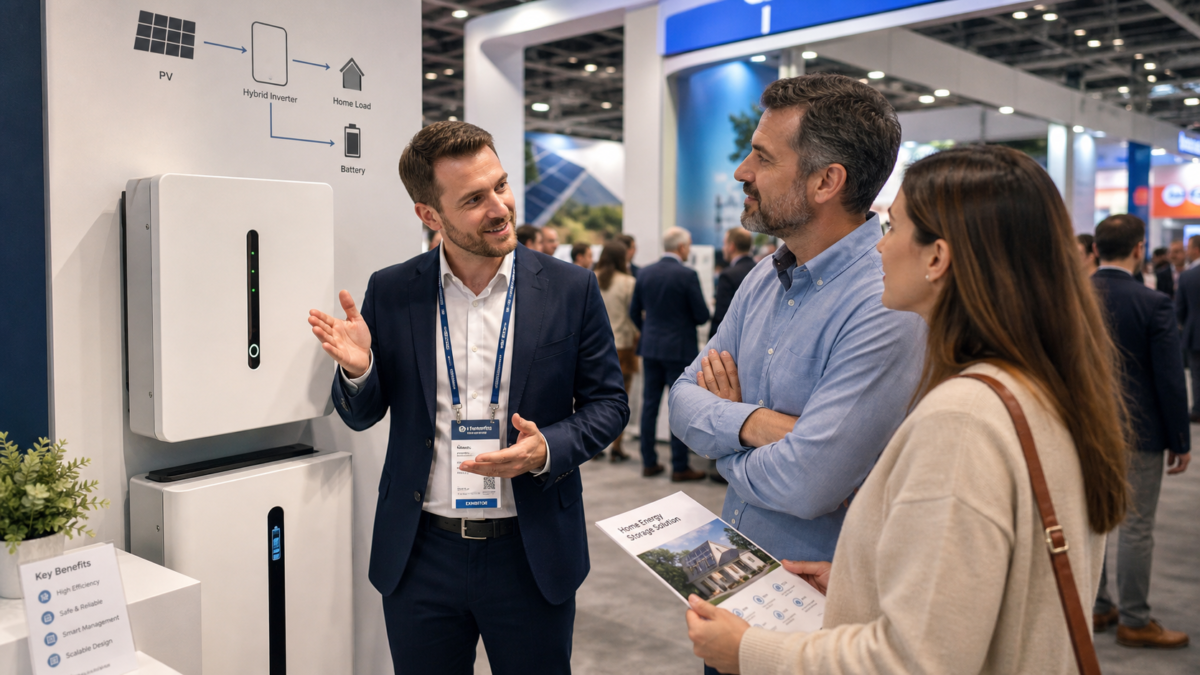
I learned this lesson the hard way early in my career. We bought a system based on a fantastic demo. The first time we had a problem, we called the support number and it went to a generic call center. They had no idea what our product was. The salesperson who gave us the demo had already left the company. The demo was a performance, not a promise of service. Now, I use demos to qualify the supplier's process. I ask them to show me their partner portal, their ticketing system, and the escalation path. I'll say, "Let's pretend this alarm is going off. Show me exactly what happens next. Who gets the ticket? What's their name? Where are they located? How do they get a spare part?" If they can't answer these questions clearly, the beautiful demo is worthless. It's just a shiny box.
Key OEM vs Branded Battery Storage Questions Before Signing the Contract?
You're about to sign the contract. But you have a nagging feeling you missed something critical. A small detail overlooked now can become a huge problem in a few years.
Before you sign anything, ask for specific documents. I always request a competency checklist for local technicians, a compatibility matrix for other hardware, a sample support ticket, and a full spare parts list for the exact model. These documents prove their support is real.

Turning my insights into a checklist gives the buyer a clear path. It's not about trapping the supplier; it's about creating clarity for everyone. The goal is to get a complete picture of what will happen over the next ten years, not just on the day of commissioning. For our partners at Moletong, we build materials around these exact points. We show them the specific models, the required competencies for service, and how evidence is collected for a warranty claim. We define who owns the escalation. This isn't a marketing claim; it's a documented process. Any supplier, OEM or branded, should be able to provide this information. If they can't, that tells you everything you need to know about their long-term commitment to your project. New information, like a supplier getting a new certified service partner in your area, could change the decision, but the framework for making that decision remains the same.
Conclusion
Success depends on lifecycle support, not just the hardware you choose. Start your decision by defining the service you need, and the right partner—whether OEM or branded—will become obvious.
Leave a Reply